
What's inside
What's inside
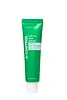 Key Ingredients
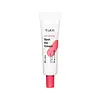
Benefits
Concerns
Ingredients Side-by-side
Water
Skin ConditioningIsododecane
EmollientDimethicone
Emollient
Azelaic Acid
Buffering








Butylene Glycol
Humectant
Glycerin
Humectant

Ammonium Acryloyldimethyltaurate/Vp Copolymer
Sodium Polyacrylate
Absorbent
Dipropylene Glycol
HumectantEthylhexyl Stearate
Emollient

Panthenol
Skin Conditioning
Dimethicone/Vinyl Dimethicone Crosspolymer
Skin Conditioning
PEG-100 Stearate
Glyceryl Stearate
Emollient
Hydroxyacetophenone
Antioxidant
Ethylhexylglycerin
Skin ConditioningCaprylhydroxamic Acid
Caprylyl Glycol
Emollient
Trideceth-6
Emulsifying1,2-Hexanediol
Skin Conditioning
Disodium EDTA
Snail Secretion Filtrate
Skin Conditioning
Lactic Acid
Buffering



Decyl Glucoside
CleansingPolyglyceryl-6 Caprylate
EmulsifyingPolyglyceryl-4 Caprate
EmulsifyingSalix Alba Bark Extract
Astringent
Cladosiphon Okamuranus Extract
Skin ConditioningCentella Asiatica Leaf Extract
Skin Conditioning
Camellia Sinensis Leaf Extract
Antimicrobial
Coffea Arabica Seed Extract
Masking
Citrus Aurantium Bergamia Leaf Extract
AstringentPinus Densiflora Leaf Extract
Antimicrobial
Water, Isododecane, Dimethicone, Azelaic Acid, Butylene Glycol, Glycerin, Ammonium Acryloyldimethyltaurate/Vp Copolymer, Sodium Polyacrylate, Dipropylene Glycol, Ethylhexyl Stearate, Panthenol, Dimethicone/Vinyl Dimethicone Crosspolymer, PEG-100 Stearate, Glyceryl Stearate, Hydroxyacetophenone, Ethylhexylglycerin, Caprylhydroxamic Acid, Caprylyl Glycol, Trideceth-6, 1,2-Hexanediol, Disodium EDTA, Snail Secretion Filtrate, Lactic Acid, Decyl Glucoside, Polyglyceryl-6 Caprylate, Polyglyceryl-4 Caprate, Salix Alba Bark Extract, Cladosiphon Okamuranus Extract, Centella Asiatica Leaf Extract, Camellia Sinensis Leaf Extract, Coffea Arabica Seed Extract, Citrus Aurantium Bergamia Leaf Extract, Pinus Densiflora Leaf Extract
Water
Skin ConditioningNiacinamide
Smoothing
Butylene Glycol
Humectant
Zinc Oxide
Cosmetic Colorant

Helianthus Annuus Seed Oil
Emollient
Glycerin
Humectant
Dimethicone
Emollient
Cetearyl Alcohol
Emollient
Elaeis Guineensis Oil
Emollient
1,2-Hexanediol
Skin Conditioning
Cetearyl Olivate
Polysorbate 60
Emulsifying
Elaeis Guineensis Kernel Oil
Emollient
Sorbitan Olivate
Emulsifying
Betaine
Humectant
Hydroxyethyl Acrylate/Sodium Acryloyldimethyl Taurate Copolymer
Emulsion StabilisingXanthan Gum
EmulsifyingSponge
Emollient
Melaleuca Alternifolia Leaf Oil
Antioxidant
Asiaticoside
Antioxidant
Madecassic Acid
Skin Conditioning
Asiatic Acid
Skin ConditioningZinc PCA
Humectant
Limonene
Perfuming

Water, Niacinamide, Butylene Glycol, Zinc Oxide, Helianthus Annuus Seed Oil, Glycerin, Dimethicone, Cetearyl Alcohol, Elaeis Guineensis Oil, 1,2-Hexanediol, Cetearyl Olivate, Polysorbate 60, Elaeis Guineensis Kernel Oil, Sorbitan Olivate, Betaine, Hydroxyethyl Acrylate/Sodium Acryloyldimethyl Taurate Copolymer, Xanthan Gum, Sponge, Melaleuca Alternifolia Leaf Oil, Asiaticoside, Madecassic Acid, Asiatic Acid, Zinc PCA, Limonene
Reviews
Ingredients Explained
These ingredients are found in both products.
Ingredients higher up in an ingredient list are typically present in a larger amount.
1,2-Hexanediol is a synthetic liquid and another multi-functional powerhouse.
It is a:
- Humectant, drawing moisture into the skin
- Emollient, helping to soften skin
- Solvent, dispersing and stabilizing formulas
- Preservative booster, enhancing the antimicrobial activity of other preservatives
Butylene Glycol (or BG) is used within cosmetic products for a few different reasons:
Overall, Butylene Glycol is a safe and well-rounded ingredient that works well with other ingredients.
Though this ingredient works well with most skin types, some people with sensitive skin may experience a reaction such as allergic rashes, closed comedones, or itchiness.
Learn more about Butylene GlycolDimethicone is a type of synthetic silicone created from natural materials such as quartz.
What it does:
Dimethicone comes in different viscosities:
Depending on the viscosity, dimethicone has different properties.
Ingredients lists don't always show which type is used, so we recommend reaching out to the brand if you have questions about the viscosity.
This ingredient is unlikely to cause irritation because it does not get absorbed into skin. However, people with silicone allergies should be careful about using this ingredient.
Note: Dimethicone may contribute to pilling. This is because it is not oil or water soluble, so pilling may occur when layered with products. When mixed with heavy oils in a formula, the outcome is also quite greasy.
Learn more about DimethiconeGlycerin is already naturally found in your skin. It helps moisturize and protect your skin.
A study from 2016 found glycerin to be more effective as a humectant than AHAs and hyaluronic acid.
As a humectant, it helps the skin stay hydrated by pulling moisture to your skin. The low molecular weight of glycerin allows it to pull moisture into the deeper layers of your skin.
Hydrated skin improves your skin barrier; Your skin barrier helps protect against irritants and bacteria.
Glycerin has also been found to have antimicrobial and antiviral properties. Due to these properties, glycerin is often used in wound and burn treatments.
In cosmetics, glycerin is usually derived from plants such as soybean or palm. However, it can also be sourced from animals, such as tallow or animal fat.
This ingredient is organic, colorless, odorless, and non-toxic.
Glycerin is the name for this ingredient in American English. British English uses Glycerol/Glycerine.
Learn more about GlycerinWater. It's the most common cosmetic ingredient of all. You'll usually see it at the top of ingredient lists, meaning that it makes up the largest part of the product.
So why is it so popular? Water most often acts as a solvent - this means that it helps dissolve other ingredients into the formulation.
You'll also recognize water as that liquid we all need to stay alive. If you see this, drink a glass of water. Stay hydrated!
Learn more about Water
