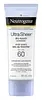
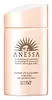
Neutrogena Ultra Sheer Dry-Touch Sunscreen SPF60 Versus Anessa Perfect UV Sunscreen Mild Milk SPF50+ PA++++
This chemical sunscreen covers most of the UV range, lighter on the deep UVA that drives aging.
This hybrid sunscreen covers the full UV range and blocks ~98% of UVB at SPF 50.


What's inside
What's inside
 Key Ingredients
Benefits
Concerns
Ingredients Side-by-side
Homosalate 15%
Skin Conditioning

Octocrylene 10%
UV Absorber

Ethylhexyl Salicylate 5%
UV Absorber
Butyl Methoxydibenzoylmethane 3%
UV Absorber
Acrylates/Dimethicone Copolymer
Skin Conditioning
Aluminum Starch Octenylsuccinate
Absorbent
Behenyl Alcohol
Emollient
Benzyl Alcohol
Perfuming




BHT
Antioxidant
Butyloctyl Salicylate
Skin Conditioning
Caprylyl Glycol
Emollient
Caprylyl Methicone
Skin Conditioning
Cera Alba
Emollient




Cetyl Dimethicone
Emollient
Chlorphenesin
Antimicrobial
Dimethicone
Emollient
Dimethicone/PEG-10/15 Crosspolymer
Disodium EDTA
Ethylhexyl Stearate
Emollient
Ethylhexylglycerin
Skin ConditioningGlyceryl Stearate
Emollient
Hydrolyzed Jojoba Esters
Skin Conditioning
Jojoba Esters
Emollient
Parfum
Masking
PEG-100 Stearate
Surfactant
Potassium Cetyl Phosphate
EmulsifyingSilica
Abrasive

Sodium Polyacrylate
Absorbent
Styrene/Acrylates Copolymer
Tocopheryl Acetate
Antioxidant

Trideceth-6
EmulsifyingWater
Skin ConditioningXanthan Gum
EmulsifyingHomosalate 15%, Octocrylene 10%, Ethylhexyl Salicylate 5%, Butyl Methoxydibenzoylmethane 3%, Acrylates/Dimethicone Copolymer, Aluminum Starch Octenylsuccinate, Behenyl Alcohol, Benzyl Alcohol, BHT, Butyloctyl Salicylate, Caprylyl Glycol, Caprylyl Methicone, Cera Alba, Cetyl Dimethicone, Chlorphenesin, Dimethicone, Dimethicone/PEG-10/15 Crosspolymer, Disodium EDTA, Ethylhexyl Stearate, Ethylhexylglycerin, Glyceryl Stearate, Hydrolyzed Jojoba Esters, Jojoba Esters, Parfum, PEG-100 Stearate, Potassium Cetyl Phosphate, Silica, Sodium Polyacrylate, Styrene/Acrylates Copolymer, Tocopheryl Acetate, Trideceth-6, Water, Xanthan Gum
Water
Skin ConditioningDimethicone
Emollient
Diisopropyl Sebacate
EmollientButylene Glycol
Humectant
Caprylyl Methicone
Skin Conditioning
Cetyl Ethylhexanoate
EmollientTitanium Dioxide
Cosmetic Colorant
Pentaerythrityl Tetraethylhexanoate
Emollient
Triethylhexanoin
MaskingDiethylhexyl Succinate
EmollientZinc Oxide
Cosmetic Colorant
Dipropylene Glycol
HumectantSilica
Abrasive
Glycerin
Humectant
PEG-9 Polydimethylsiloxyethyl Dimethicone
Emulsifying
Diethylamino Hydroxybenzoyl Hexyl Benzoate
UV Filter
Bis-Ethylhexyloxyphenol Methoxyphenyl Triazine
Skin Conditioning
PEG/PPG-14/7 Dimethyl Ether
Skin ConditioningSodium Chloride
MaskingThiotaurine
Antioxidant
Potentilla Erecta Root Extract
Skin ConditioningDipotassium Glycyrrhizate
Humectant

Angelica Keiskei Leaf/Stem Extract
Skin ConditioningSodium Acetylated Hyaluronate
Humectant

PEG-10 Dimethicone
Skin Conditioning
Aluminum Hydroxide
EmollientDisteardimonium Hectorite
StabilisingEthylhexyl Triazone
UV Absorber
PEG-12 Dimethicone
Skin Conditioning
Stearic Acid
Cleansing
Hydrogen Dimethicone
Beheneth-20
EmulsifyingSodium Citrate
BufferingCitric Acid
Buffering
Sodium Metaphosphate
BufferingSodium Metabisulfite
Antioxidant
Prunus Yedoensis Leaf Extract
Skin ConditioningCarbomer
Emulsion StabilisingTrifluoropropyldimethyl/Trimethylsiloxysilicate
EmollientTocopherol
Antioxidant
Phenoxyethanol
Preservative
Benzoic Acid
Masking
CI 77120
Cosmetic ColorantWater, Dimethicone, Diisopropyl Sebacate, Butylene Glycol, Caprylyl Methicone, Cetyl Ethylhexanoate, Titanium Dioxide, Pentaerythrityl Tetraethylhexanoate, Triethylhexanoin, Diethylhexyl Succinate, Zinc Oxide, Dipropylene Glycol, Silica, Glycerin, PEG-9 Polydimethylsiloxyethyl Dimethicone, Diethylamino Hydroxybenzoyl Hexyl Benzoate, Bis-Ethylhexyloxyphenol Methoxyphenyl Triazine, PEG/PPG-14/7 Dimethyl Ether, Sodium Chloride, Thiotaurine, Potentilla Erecta Root Extract, Dipotassium Glycyrrhizate, Angelica Keiskei Leaf/Stem Extract, Sodium Acetylated Hyaluronate, PEG-10 Dimethicone, Aluminum Hydroxide, Disteardimonium Hectorite, Ethylhexyl Triazone, PEG-12 Dimethicone, Stearic Acid, Hydrogen Dimethicone, Beheneth-20, Sodium Citrate, Citric Acid, Sodium Metaphosphate, Sodium Metabisulfite, Prunus Yedoensis Leaf Extract, Carbomer, Trifluoropropyldimethyl/Trimethylsiloxysilicate, Tocopherol, Phenoxyethanol, Benzoic Acid, CI 77120
Reviews
Ingredients Explained
These ingredients are found in both products.
Ingredients higher up in an ingredient list are typically present in a larger amount.
Caprylyl Methicone is a synthetic and lightweight silicone fluid. It gives products a silky, dry-touch finish without the heaviness of pure oils.
Though the EU CosIng Database lists this ingredient as a skin conditioner, it is also used for sensory reasons. It spreads easily, cuts greasiness, and reduces tackiness.
This ingredient is volatile which means it will mostly evaporate (but it evaporates slower than older cyclomethicones, like Cyclotetrasiloxane).
Typical concentration ranges from 1-30% depending on if it's being used to tweak the feel of a product or acting as the main emollient.
Learn more about Caprylyl MethiconeDimethicone is a type of synthetic silicone created from natural materials such as quartz. It is also known as polydimethylsiloxane.
What it does:
Dimethicone comes in different viscosities:
Depending on the viscosity, dimethicone has different properties.
Ingredients lists don't always show which type is used, so we recommend reaching out to the brand if you have questions about the viscosity.
This ingredient is unlikely to cause irritation because it does not get absorbed into skin. However, people with silicone allergies should be careful about using this ingredient.
Note: Dimethicone may contribute to pilling. This is because it is not oil or water soluble, so pilling may occur when layered with products. When mixed with heavy oils in a formula, the outcome is also quite greasy.
Learn more about DimethiconeSilica, also known as silicon dioxide, is a naturally occurring mineral. It is used as a fine, spherical, and porous powder in cosmetics.
Though it has exfoliant properties, the function of silica varies depending on the product.
The unique structure of silica enhances the spreadability and adds smoothness, making it a great texture enhancer.
It is also used as an active carrier, emulsifier, and mattifier due to its ability to absorb excess oil.
In some products, tiny microneedles called spicules are made from silica or hydrolyzed sponge. When you rub them in, they lightly polish away dead skin layers and enhance the penetration of active ingredients.
Learn more about SilicaWater. It's the most common cosmetic ingredient of all. You'll usually see it at the top of ingredient lists, meaning that it makes up the largest part of the product.
So why is it so popular? Water most often acts as a solvent - this means that it helps dissolve other ingredients into the formulation.
You'll also recognize water as that liquid we all need to stay alive. If you see this, drink a glass of water. Remember to stay hydrated!
Learn more about Water

