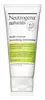
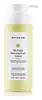
Neutrogena Naturals Multi-Vitamin Nourishing Moisturizer Versus Naturium Bio-Lipid Restoring Body Lotion
This anti-aging moisturizer is formulated around Gluconolactone and Tocopherol to soften the look of wrinkles and hydrate skin.

What's inside
What's inside
 Key Ingredients
Benefits
Concerns
Ingredients Side-by-side
Water
Skin ConditioningDicaprylyl Carbonate
EmollientGlycerin
Humectant


Glyceryl Stearate
Emollient

Cetearyl Alcohol
Emollient




Heptyl Undecylenate
EmollientPlukenetia Volubilis Seed Oil
Emollient
Cetearyl Olivate
Sorbitan Olivate
Emulsifying
Stearic Acid
Cleansing
Gluconolactone
Chelating






Benzyl Alcohol
Perfuming





Ethylhexylglycerin
Skin ConditioningSclerotium Gum
Emulsion StabilisingTocopherol
Antioxidant



Sodium Benzoate
Masking
Parfum
Masking
Ilex Paraguariensis Leaf Extract
Perfuming
Maltodextrin
Absorbent
Caesalpinia Spinosa Gum
Skin ConditioningHydrolyzed Caesalpinia Spinosa Gum
AbsorbentWater, Dicaprylyl Carbonate, Glycerin, Glyceryl Stearate, Cetearyl Alcohol, Heptyl Undecylenate, Plukenetia Volubilis Seed Oil, Cetearyl Olivate, Sorbitan Olivate, Stearic Acid, Gluconolactone, Benzyl Alcohol, Ethylhexylglycerin, Sclerotium Gum, Tocopherol, Sodium Benzoate, Parfum, Ilex Paraguariensis Leaf Extract, Maltodextrin, Caesalpinia Spinosa Gum, Hydrolyzed Caesalpinia Spinosa Gum
Water
Skin ConditioningCarthamus Tinctorius Seed Oil
Masking
Cetyl Alcohol
Emollient
Glycerin
Humectant
Caprylic/Capric Triglyceride
Masking
Butyrospermum Parkii Butter
Skin Conditioning
Dimethicone
Emollient
C10-18 Triglycerides
Emollient
Moringa Oleifera Seed Oil
Emollient
Niacinamide
Smoothing
Rosa Canina Fruit Oil
Emollient
Panthenol
Skin Conditioning
Sodium PCA
Humectant
Sodium Stearoyl Glutamate
CleansingSqualane
Emollient
Vaccinium Myrtillus Fruit Extract
Skin ConditioningSaccharum Officinarum Extract
MoisturisingRiboflavin
Cosmetic ColorantTocopherol
Antioxidant
Citrus Aurantium Dulcis Fruit Extract
MaskingCitrus Limon Fruit Extract
Masking
Sodium Glycolate
BufferingCamellia Sinensis Leaf Extract
Antimicrobial
Spilanthes Acmella Flower Extract
Skin ConditioningSodium Formate
Buffering
Acer Saccharum Extract
Skin ConditioningSodium Hyaluronate
Humectant
Cetearyl Olivate
Sorbitan Olivate
Emulsifying
Phenoxyethanol
Preservative
Carbomer
Emulsion StabilisingTocopheryl Acetate
Antioxidant
Ethylhexylglycerin
Skin ConditioningSodium Hydroxide
BufferingTetrasodium Glutamate Diacetate
ChelatingCitric Acid
Buffering
Potassium Sorbate
Preservative
Sodium Benzoate
Masking
Water, Carthamus Tinctorius Seed Oil, Cetyl Alcohol, Glycerin, Caprylic/Capric Triglyceride, Butyrospermum Parkii Butter, Dimethicone, C10-18 Triglycerides, Moringa Oleifera Seed Oil, Niacinamide, Rosa Canina Fruit Oil, Panthenol, Sodium PCA, Sodium Stearoyl Glutamate, Squalane, Vaccinium Myrtillus Fruit Extract, Saccharum Officinarum Extract, Riboflavin, Tocopherol, Citrus Aurantium Dulcis Fruit Extract, Citrus Limon Fruit Extract, Sodium Glycolate, Camellia Sinensis Leaf Extract, Spilanthes Acmella Flower Extract, Sodium Formate, Acer Saccharum Extract, Sodium Hyaluronate, Cetearyl Olivate, Sorbitan Olivate, Phenoxyethanol, Carbomer, Tocopheryl Acetate, Ethylhexylglycerin, Sodium Hydroxide, Tetrasodium Glutamate Diacetate, Citric Acid, Potassium Sorbate, Sodium Benzoate
Reviews
Ingredients Explained
These ingredients are found in both products.
Ingredients higher up in an ingredient list are typically present in a larger amount.
Cetearyl Olivate is a plant-derived emulsifier and texture enhancer. It helps keep the oil and water phases from separating so your formulas stay stable.
You'll likely see it combined with Sorbitan Olivate (together sold as the trade name Olivem 1000). This combination generates a liquid crystal structure that closely resemble the lipid organization of the stratum corneum.
These "skin-like" liquid crystals improve skin barrier integrity and promote the delivery of actives into the skin.
This ingredient is well-tolerated and has no significant sensitization data.
Because it is derived from the fatty acids in olive oil, this ingredient may not be fungal acne safe.
Learn more about Cetearyl OlivateEthylhexylglycerin is created from glycerin. It is a multitasker ingredient that:
The CIR Expert Panel found minimal skin absorption or sensitization of any kind in a safety assessment. Though this ingredient is considered well-tolerated, a small number of cases of allergic dermatitis have been published since 2002. Just be sure to patch test if you are unsure.
Industry-reported use ranges from 8% in rinse-off products and 2% in leave-on formulations.
Learn more about EthylhexylglycerinGlycerin (or glycerol) is a compound naturally found in your skin. It's a powerhouse humectant that pulls water into the stratum corneum.
Topically, glycerin does several things at once:
Your skin makes glycerin on its own (mostly from sebaceous oil breakdown) and shuttles it to your outermost layer of skin, or your epidermis, via aquaporin-3.
Aquaporin-3 is a transporter that is essential for normal skin hydration, elasticity, and repair. Interestingly, mice lacking in AQP3 have dry and less elastic skin that can be fully corrected with glycerin.
This ingredient is non-irritating, plays well with almost every ingredient, and works across all skin types. Typical use is anywhere between 3-10% but can go up to 79% in some leave-on products.
Just know very high concentrations (>40%) can feel tacky in low humidity.
Glycerin is the name for this ingredient in American English. British English uses Glycerol/Glycerine.
Learn more about GlycerinSodium Benzoate is a preservative. It's used in both cosmetic and food products to inhibit the growth of mold and bacteria. It is typically produced synthetically.
Both the US FDA and EU Health Committee have approved the use of sodium benzoate. In the US, levels of 0.1% (of the total product) are allowed.
Sodium benzoate works as a preservative by inhibiting the growth of bacteria inside of cells. It prevents the cell from fermenting a type of sugar using an enzyme called phosphofructokinase.
It is the salt of benzoic acid. Foods containing sodium benzoate include soda, salad dressings, condiments, fruit juices, wines, and snack foods.
Studies for using ascorbic acid and sodium benzoate in cosmetics are lacking, especially in skincare routines with multiple steps.
We always recommend speaking with a professional, such as a dermatologist, if you have any concerns.
Learn more about Sodium BenzoateSorbitan Olivate is created from the fatty acids in olive oil and sorbitol.
This ingredient is an oil in water emulsifier. It helps stabilize a product by preventing oils and waters from separating. Sorbitan Olivate also helps hydrate the skin.
This ingredient is also known as part of Olivem 1000, with Cetearyl Olivate being the other part.
According to a manufacturer, this ingredient helps preserve the natural microbiome of skin. Having a healthy microbiome helps keep our skin healthy and protects against harmful bacteria.
Please note, having a healthy microbiome is different from fungal acne; a healthy microbiome includes small amounts of yeast that normally live on your skin without causing problems.
Fungal acne happens when one type of yeast (Malassezia) grows out of control. This is usually because it's feeding on certain oils or fatty acids. Due to the olive oil base, this ingredient may not be fungal acne safe.
Learn more about Sorbitan OlivateTocopherol is a fat-soluble antioxidant known as Vitamin E.
You'll find this ingredient in the vast majority of skincare (for good reason). It works to neutralize free radicals, or unstable molecules generated by UV exposure, pollution, and other environmental stressors, before they can cause oxidative damage to your skin cells.
Topically applied tocopherol has been shown to protect against UV damage by ramping up the skin's own natural defense enzymes.
It also acts as a skin conditioning agent; some studies show that regular topical use can improve the skin's water-binding capacity over 2-4 weeks.
This ingredient is especially loved for being a team player. When combined with Vitamin C, the photoprotective effect of both ingredients roughly doubles and the combo also helps reduce UV-induced DNA damage.
This ingredient has some brightening potential but it's more of a prevention ingredient than spot-fader. Cell studies show it can slow down melanin production but it's worth noting that it's not the most powerful brightener out there.
In formulations, it also serves as a stabilizer that helps protect other oxidation-prone ingredients from degrading.
Concentrations usually range from 0.1-1% in most leave-on products.
Learn more about TocopherolWater. It's the most common cosmetic ingredient of all. You'll usually see it at the top of ingredient lists, meaning that it makes up the largest part of the product.
So why is it so popular? Water most often acts as a solvent - this means that it helps dissolve other ingredients into the formulation.
You'll also recognize water as that liquid we all need to stay alive. If you see this, drink a glass of water. Remember to stay hydrated!
Learn more about Water

