Neutrogena Hydro Boost Hydrating Serum Versus Neutrogena Hydro Boost Vitamin E & Hyaluronic Acid Serum
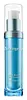
This hydrating serum is formulated around Sodium Hyaluronate to hydrate skin and strengthen the skin barrier.
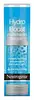
This hydrating serum is formulated around Niacinamide and Sodium Hyaluronate to hydrate skin and strengthen the skin barrier.

What's inside
What's inside
 Key Ingredients
Benefits
Concerns
Ingredients Side-by-side
Water
Skin ConditioningGlycerin
Humectant


Dimethicone
Emollient
Butylene Glycol
Humectant
Neopentyl Glycol Diheptanoate
EmollientAluminum Starch Octenylsuccinate
Absorbent
Isododecane
EmollientDimethiconol
Emollient
Ammonium Acryloyldimethyltaurate/Vp Copolymer
Ethylhexylglycerin
Skin ConditioningBenzyl Alcohol
Perfuming






Sodium Lactate
Buffering
Cetearyl Olivate


Bisabolol
Antioxidant


Chlorphenesin
Antimicrobial
Sorbitan Olivate
Emulsifying
Sodium PCA
Humectant
Parfum
Masking
Sodium Hyaluronate
Humectant

Acrylates/C10-30 Alkyl Acrylate Crosspolymer
Emulsion StabilisingSorbitol
Humectant
Chondrus Crispus Extract
Skin Conditioning
Sodium Hydroxide
BufferingProline
Skin Conditioning
Portulaca Oleracea Extract
Skin Conditioning
Propylene Glycol
Humectant
Citric Acid
Buffering

Magnesium Aspartate
Skin ConditioningZinc Gluconate
Skin Conditioning


Copper Gluconate
Skin Conditioning
Water, Glycerin, Dimethicone, Butylene Glycol, Neopentyl Glycol Diheptanoate, Aluminum Starch Octenylsuccinate, Isododecane, Dimethiconol, Ammonium Acryloyldimethyltaurate/Vp Copolymer, Ethylhexylglycerin, Benzyl Alcohol, Sodium Lactate, Cetearyl Olivate, Bisabolol, Chlorphenesin, Sorbitan Olivate, Sodium PCA, Parfum, Sodium Hyaluronate, Acrylates/C10-30 Alkyl Acrylate Crosspolymer, Sorbitol, Chondrus Crispus Extract, Sodium Hydroxide, Proline, Portulaca Oleracea Extract, Propylene Glycol, Citric Acid, Magnesium Aspartate, Zinc Gluconate, Copper Gluconate
Water
Skin ConditioningPropanediol
Solvent
Glycerin
Humectant
Pentylene Glycol
Skin Conditioning
Niacinamide
Smoothing


Phenoxyethanol
Preservative
Butylene Glycol
Humectant
PEG-60 Hydrogenated Castor Oil
Emulsifying
Ammonium Acryloyldimethyltaurate/Vp Copolymer
Caprylyl Glycol
Emollient
Ethylhexylglycerin
Skin ConditioningChondrus Crispus Powder
Abrasive

Ceramide AP
Skin Conditioning
1,2-Hexanediol
Skin Conditioning
Acrylates/C10-30 Alkyl Acrylate Crosspolymer
Emulsion StabilisingTromethamine
BufferingPanthenol
Skin Conditioning
Sodium Hyaluronate
Humectant
Synthetic Fluorphlogopite
Agar
MaskingGellan Gum
Parfum
Masking
Disodium EDTA
Tocopheryl Acetate
Antioxidant
Algin
MaskingSucrose
Humectant
Chondrus Crispus Extract
Skin Conditioning
Arginine
Masking
PCA
Humectant
Serine
Masking
Alanine
Masking
Citric Acid
Buffering
Threonine
Mourera Fluviatilis Extract
Skin ConditioningTitanium Dioxide
Cosmetic Colorant

Mica
Cosmetic ColorantWater, Propanediol, Glycerin, Pentylene Glycol, Niacinamide, Phenoxyethanol, Butylene Glycol, PEG-60 Hydrogenated Castor Oil, Ammonium Acryloyldimethyltaurate/Vp Copolymer, Caprylyl Glycol, Ethylhexylglycerin, Chondrus Crispus Powder, Ceramide AP, 1,2-Hexanediol, Acrylates/C10-30 Alkyl Acrylate Crosspolymer, Tromethamine, Panthenol, Sodium Hyaluronate, Synthetic Fluorphlogopite, Agar, Gellan Gum, Parfum, Disodium EDTA, Tocopheryl Acetate, Algin, Sucrose, Chondrus Crispus Extract, Arginine, PCA, Serine, Alanine, Citric Acid, Threonine, Mourera Fluviatilis Extract, Titanium Dioxide, Mica
Ingredients Explained
These ingredients are found in both products.
Ingredients higher up in an ingredient list are typically present in a larger amount.
Acrylates/C10-30 Alkyl Acrylate Crosspolymer is a synthetic polymer. It is used to thicken, emulsify, and improve the texture of products.
As an emulsifier, it helps stabilize oil-in-water emulsions to give products an elegant feel when applied.
It can also form a thin protective film on skin. One study found that a formula using this polymer helped slow down how quickly other ingredients (like DEET) were absorbed through skin.
A 2024 study of over 1,300 patients confirmed that sensitization to this ingredient is rare. It is also non-mutagenic and has a clean track record.
Learn more about Acrylates/C10-30 Alkyl Acrylate CrosspolymerAmmonium Acryloyldimethyltaurate/Vp Copolymer is a synthetically created polymer. It's used as a film-forming agent and used to thicken the consistency of products.
Think of it as a supportive ingredient that helps your gel-creams feel silky, "cloud cream-like", and spread evenly without being greasy.
The Cosmetic Ingredient Review (CIR) Expert Panel evaluated it (along with 22 other acryloyldimethyltaurate polymers) and concluded it's:
Due to its large molecular size, it sits on the surface of skin rather than penetrating it.
Learn more about Ammonium Acryloyldimethyltaurate/Vp CopolymerButylene Glycol (or BG) is used within cosmetic products for a few different reasons:
Overall, Butylene Glycol is a safe and well-rounded ingredient that works well with other ingredients.
Though this ingredient works well with most skin types, some people with sensitive skin may experience a reaction such as allergic rashes, closed comedones, or itchiness.
Learn more about Butylene GlycolChondrus Crispus Extract comes from a red algae native to the northern Atlantic coasts of Europe and North America. It helps hydrate the skin and is rich in antioxidants.
The antioxidants in chondrus crispus include lutein and zeaxanthin. Lutein has the ability to filter blue light from screens.
Other contents of chondrus crispus include polysaccharides, peptides, and amino acids. These help hydrate the skin.
What's the difference between algae and seaweed?
Algae is a broad term that includes seaweed. Not all algae is seaweed.
Citric Acid is an alpha hydroxy acid (AHA) naturally found in citrus fruits like oranges, lemons, and limes.
Like other AHAs, citric acid can exfoliate skin by breaking down the bonds that hold dead skin cells together. This helps reveal smoother and brighter skin underneath.
However, this exfoliating effect only happens at high concentrations (20%) which can be hard to find in cosmetic products.
Due to this, citric acid is usually included in small amounts as a pH adjuster. This helps keep products slightly more acidic and compatible with skin's natural pH.
In skincare formulas, citric acid can:
While it can provide some skin benefits, research shows lactic acid and glycolic acid are generally more effective and less irritating exfoliants.
Most citric acid used in skincare today is made by fermenting sugars (usually from molasses). This synthetic version is identical to the natural citrus form but easier to stabilize and use in formulations.
Rosacea skin has a lower threshold for acids generally, with 62.5% of rosacea subjects in one study reacting to lactic acid in a sting test. This is why we mark citric acid as a potential rosacea trigger.
However, this ingredient shows up as a pH adjuster or chelator at roughly 0.1-1% in many products. These low levels are unlikely to be an issue for rosacea skin and becomes a potential trigger at exfoliating concentrations (20%). Because everybody's skin is unique, we recommend a patch test if you are unsure.
Learn more about Citric AcidEthylhexylglycerin is created from glycerin. It is a multitasker ingredient that:
The CIR Expert Panel found minimal skin absorption or sensitization of any kind in a safety assessment. Though this ingredient is considered well-tolerated, a small number of cases of allergic dermatitis have been published since 2002. Just be sure to patch test if you are unsure.
Industry-reported use ranges from 8% in rinse-off products and 2% in leave-on formulations.
Learn more about EthylhexylglycerinGlycerin (or glycerol) is a compound naturally found in your skin. It's a powerhouse humectant that pulls water into the stratum corneum.
Topically, glycerin does several things at once:
Your skin makes glycerin on its own (mostly from sebaceous oil breakdown) and shuttles it to your outermost layer of skin, or your epidermis, via aquaporin-3.
Aquaporin-3 is a transporter that is essential for normal skin hydration, elasticity, and repair. Interestingly, mice lacking in AQP3 have dry and less elastic skin that can be fully corrected with glycerin.
This ingredient is non-irritating, plays well with almost every ingredient, and works across all skin types. Typical use is anywhere between 3-10% but can go up to 79% in some leave-on products.
Just know very high concentrations (>40%) can feel tacky in low humidity.
Glycerin is the name for this ingredient in American English. British English uses Glycerol/Glycerine.
Learn more about GlycerinParfum is a catch-all term for an ingredient or more that is used to give a scent to products.
Also called "fragrance", this ingredient can be a blend of hundreds of chemicals or plant oils. This means every product with "fragrance" or "parfum" in the ingredients list is a different mixture.
For instance, Habanolide is a proprietary trade name for a specific aroma chemical. When used as a fragrance ingredient in cosmetics, most aroma chemicals fall under the broad labeling category of “FRAGRANCE” or “PARFUM” according to EU and US regulations.
The term 'parfum' or 'fragrance' is not regulated in many countries. In many cases, it is up to the brand to define this term.
For instance, many brands choose to label themselves as "fragrance-free" because they are not using synthetic fragrances. However, their products may still contain ingredients such as essential oils that are considered a fragrance by INCI standards.
One example is Calendula flower extract. Calendula is an essential oil that still imparts a scent or 'fragrance'.
Depending on the blend, the ingredients in the mixture can cause allergies and sensitivities on the skin. Some ingredients that are known EU allergens include linalool and citronellol.
Parfum can also be used to mask or cover an unpleasant scent.
The bottom line is: not all fragrances/parfum/ingredients are created equally. If you are worried about fragrances, we recommend taking a closer look at an ingredient. And of course, we always recommend speaking with a professional.
Learn more about ParfumSodium Hyaluronate is the salt form of hyaluronic acid. It is a long sugar chain that is naturally found in your skin, joints, and connective tissue that maintains hydration and elasticity.
In skincare, it works as a humectant. It pulls water from the environment and deeper layers of skin and binds it to the surface.
Interestingly, the size of the molecule affects its behavior:
Some clinical evidence links low molecular weight versions to improved wrinkle depth, elasticity, anti-inflammatory effects, and barrier repair.
Many serums use a blend of both weights so you can get surface hydration plus longer-lasting and deeper effects.
You'll typically see concentrations between 0.1-2% for this ingredient.
Learn more about Sodium HyaluronateWater. It's the most common cosmetic ingredient of all. You'll usually see it at the top of ingredient lists, meaning that it makes up the largest part of the product.
So why is it so popular? Water most often acts as a solvent - this means that it helps dissolve other ingredients into the formulation.
You'll also recognize water as that liquid we all need to stay alive. If you see this, drink a glass of water. Remember to stay hydrated!
Learn more about Water

