Neutrogena Hydro Boost Hydrating Serum Versus L'Oreal Hydra Genius Daily Liquid Care - Normal/Dry Skin
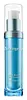
This hydrating serum is formulated around Sodium Hyaluronate to hydrate skin and strengthen the skin barrier.
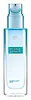
This barrier-repair moisturizer is formulated around Aloe Barbadensis Leaf Juice and Sodium Hyaluronate to strengthen the skin barrier and hydrate skin.


What's inside
What's inside
 Key Ingredients
Benefits
Concerns
Ingredients Side-by-side
Water
Skin ConditioningGlycerin
Humectant


Dimethicone
Emollient
Butylene Glycol
Humectant
Neopentyl Glycol Diheptanoate
EmollientAluminum Starch Octenylsuccinate
Absorbent
Isododecane
EmollientDimethiconol
Emollient
Ammonium Acryloyldimethyltaurate/Vp Copolymer
Ethylhexylglycerin
Skin ConditioningBenzyl Alcohol
Perfuming






Sodium Lactate
Buffering
Cetearyl Olivate


Bisabolol
Antioxidant


Chlorphenesin
Antimicrobial
Sorbitan Olivate
Emulsifying
Sodium PCA
Humectant
Parfum
Masking
Sodium Hyaluronate
Humectant

Acrylates/C10-30 Alkyl Acrylate Crosspolymer
Emulsion StabilisingSorbitol
Humectant
Chondrus Crispus Extract
Skin Conditioning
Sodium Hydroxide
BufferingProline
Skin Conditioning
Portulaca Oleracea Extract
Skin Conditioning
Propylene Glycol
Humectant
Citric Acid
Buffering

Magnesium Aspartate
Skin ConditioningZinc Gluconate
Skin Conditioning


Copper Gluconate
Skin Conditioning
Water, Glycerin, Dimethicone, Butylene Glycol, Neopentyl Glycol Diheptanoate, Aluminum Starch Octenylsuccinate, Isododecane, Dimethiconol, Ammonium Acryloyldimethyltaurate/Vp Copolymer, Ethylhexylglycerin, Benzyl Alcohol, Sodium Lactate, Cetearyl Olivate, Bisabolol, Chlorphenesin, Sorbitan Olivate, Sodium PCA, Parfum, Sodium Hyaluronate, Acrylates/C10-30 Alkyl Acrylate Crosspolymer, Sorbitol, Chondrus Crispus Extract, Sodium Hydroxide, Proline, Portulaca Oleracea Extract, Propylene Glycol, Citric Acid, Magnesium Aspartate, Zinc Gluconate, Copper Gluconate
Water
Skin ConditioningGlycerin
Humectant
Dimethicone
Emollient
Cetearyl Ethylhexanoate
Emollient
Alcohol Denat.
Antimicrobial
Hydroxyethylpiperazine Ethane Sulfonic Acid
BufferingSilanetriol
Bisabolol
Antioxidant
Dimethiconol
Emollient
Aloe Barbadensis Leaf Juice
Skin Conditioning
Sodium Hyaluronate
Humectant
Sodium Hydroxide
BufferingSilica Dimethyl Silylate
EmollientHyaluronic Acid
Humectant
Ascorbyl Glucoside
Antioxidant
Ammonium Polyacryloyldimethyl Taurate
Emulsion StabilisingDisodium EDTA
Isopropyl Myristate
Emollient

Caprylyl Glycol
Emollient
Citric Acid
Buffering
Xanthan Gum
EmulsifyingT-Butyl Alcohol
Perfuming
Betula Alba Juice
AstringentEthylhexyl Palmitate
Emollient
Butylene Glycol
Humectant
Hexylene Glycol
EmulsifyingTocopherol
Antioxidant

Potassium Sorbate
Preservative
Sorbic Acid
Preservative
Sodium Benzoate
Masking
Phenoxyethanol
Preservative
CI 42090
Cosmetic ColorantLinalool
Perfuming
Farnesol
Perfuming
Limonene
Perfuming
Citral
Perfuming
Parfum
Masking
Water, Glycerin, Dimethicone, Cetearyl Ethylhexanoate, Alcohol Denat., Hydroxyethylpiperazine Ethane Sulfonic Acid, Silanetriol, Bisabolol, Dimethiconol, Aloe Barbadensis Leaf Juice, Sodium Hyaluronate, Sodium Hydroxide, Silica Dimethyl Silylate, Hyaluronic Acid, Ascorbyl Glucoside, Ammonium Polyacryloyldimethyl Taurate, Disodium EDTA, Isopropyl Myristate, Caprylyl Glycol, Citric Acid, Xanthan Gum, T-Butyl Alcohol, Betula Alba Juice, Ethylhexyl Palmitate, Butylene Glycol, Hexylene Glycol, Tocopherol, Potassium Sorbate, Sorbic Acid, Sodium Benzoate, Phenoxyethanol, CI 42090, Linalool, Farnesol, Limonene, Citral, Parfum
Reviews
Ingredients Explained
These ingredients are found in both products.
Ingredients higher up in an ingredient list are typically present in a larger amount.
Bisabolol is a gentle skin conditioner, antioxidant, and soothing ingredient.
It's primary claim to fame is soothing and research shows topically applied bisabolol can quiet the chemical messengers that cause your skin to become inflamed, helping to sooth any irritation.
A clinical study found that applying 0.5% bisabolol daily for 8 weeks produced an average 9% decrease in skin pigmentation. Researchers found it can also suppress the process that leads to excess melanin production in skin.
In vitro studies found that bisabolol combined with propylene glycol significantly increased skin permeability by increasing lipid fluidity in the stratum corneum.
You'll likely see use concentrations quite low, usually 0.1-0.2%.
Overall, this is a well-tolerated ingredient that works well in formulas designed for sensitive, reactive, or post-procedure skin.
Learn more about BisabololButylene Glycol (or BG) is used within cosmetic products for a few different reasons:
Overall, Butylene Glycol is a safe and well-rounded ingredient that works well with other ingredients.
Though this ingredient works well with most skin types, some people with sensitive skin may experience a reaction such as allergic rashes, closed comedones, or itchiness.
Learn more about Butylene GlycolCitric Acid is an alpha hydroxy acid (AHA) naturally found in citrus fruits like oranges, lemons, and limes.
Like other AHAs, citric acid can exfoliate skin by breaking down the bonds that hold dead skin cells together. This helps reveal smoother and brighter skin underneath.
However, this exfoliating effect only happens at high concentrations (20%) which can be hard to find in cosmetic products.
Due to this, citric acid is usually included in small amounts as a pH adjuster. This helps keep products slightly more acidic and compatible with skin's natural pH.
In skincare formulas, citric acid can:
While it can provide some skin benefits, research shows lactic acid and glycolic acid are generally more effective and less irritating exfoliants.
Most citric acid used in skincare today is made by fermenting sugars (usually from molasses). This synthetic version is identical to the natural citrus form but easier to stabilize and use in formulations.
Read more about some other popular AHA's here:
Learn more about Citric AcidDimethicone is a type of synthetic silicone created from natural materials such as quartz. It is also known as polydimethylsiloxane.
What it does:
Dimethicone comes in different viscosities:
Depending on the viscosity, dimethicone has different properties.
Ingredients lists don't always show which type is used, so we recommend reaching out to the brand if you have questions about the viscosity.
This ingredient is unlikely to cause irritation because it does not get absorbed into skin. However, people with silicone allergies should be careful about using this ingredient.
Note: Dimethicone may contribute to pilling. This is because it is not oil or water soluble, so pilling may occur when layered with products. When mixed with heavy oils in a formula, the outcome is also quite greasy.
Learn more about DimethiconeDimethiconol is a silicone that resembles the popular dimethicone. Like other silicones, it is an emollient. Emollients create a thin film on skin to prevent moisture from escaping.
This ingredient helps to create a silky texture and improve spreadability. Due to its high molecular weight and thickness, it is often combined with cyclopentasiloxane.
Glycerin (or glycerol) is a compound naturally found in your skin. It's a powerhouse humectant that pulls water into the stratum corneum.
Topically, glycerin does several things at once:
Your skin makes glycerin on its own (mostly from sebaceous oil breakdown) and shuttles it to your outermost layer of skin, or your epidermis, via aquaporin-3.
Aquaporin-3 is a transporter that is essential for normal skin hydration, elasticity, and repair. Interestingly, mice lacking in AQP3 have dry and less elastic skin that can be fully corrected with glycerin.
This ingredient is non-irritating, plays well with almost every ingredient, and works across all skin types. Typical use is anywhere between 3-10% but can go up to 79% in some leave-on products.
Just know very high concentrations (>40%) can feel tacky in low humidity.
Glycerin is the name for this ingredient in American English. British English uses Glycerol/Glycerine.
Learn more about GlycerinParfum is a catch-all term for an ingredient or more that is used to give a scent to products.
Also called "fragrance", this ingredient can be a blend of hundreds of chemicals or plant oils. This means every product with "fragrance" or "parfum" in the ingredients list is a different mixture.
For instance, Habanolide is a proprietary trade name for a specific aroma chemical. When used as a fragrance ingredient in cosmetics, most aroma chemicals fall under the broad labeling category of “FRAGRANCE” or “PARFUM” according to EU and US regulations.
The term 'parfum' or 'fragrance' is not regulated in many countries. In many cases, it is up to the brand to define this term.
For instance, many brands choose to label themselves as "fragrance-free" because they are not using synthetic fragrances. However, their products may still contain ingredients such as essential oils that are considered a fragrance by INCI standards.
One example is Calendula flower extract. Calendula is an essential oil that still imparts a scent or 'fragrance'.
Depending on the blend, the ingredients in the mixture can cause allergies and sensitivities on the skin. Some ingredients that are known EU allergens include linalool and citronellol.
Parfum can also be used to mask or cover an unpleasant scent.
The bottom line is: not all fragrances/parfum/ingredients are created equally. If you are worried about fragrances, we recommend taking a closer look at an ingredient. And of course, we always recommend speaking with a professional.
Learn more about ParfumSodium Hyaluronate is the salt form of hyaluronic acid. It is a long sugar chain that is naturally found in your skin, joints, and connective tissue that maintains hydration and elasticity.
In skincare, it works as a humectant. It pulls water from the environment and deeper layers of skin and binds it to the surface.
Interestingly, the size of the molecule affects its behavior:
Some clinical evidence links low molecular weight versions to improved wrinkle depth, elasticity, anti-inflammatory effects, and barrier repair.
Many serums use a blend of both weights so you can get surface hydration plus longer-lasting and deeper effects.
You'll typically see concentrations between 0.1-2% for this ingredient.
Learn more about Sodium HyaluronateSodium Hydroxide is also known as lye or caustic soda. It is used to adjust the pH of products; many ingredients require a specific pH to be effective.
In small amounts, sodium hydroxide is considered safe to use. However, large amounts may cause chemical burns due to its high alkaline.
Your skin has a natural pH and acid mantle. This acid mantle helps prevent harmful bacteria from breaking through. The acid mantle also helps keep your skin hydrated.
"Alkaline" refers to a high pH level. A low pH level would be considered acidic.
Learn more about Sodium HydroxideWater. It's the most common cosmetic ingredient of all. You'll usually see it at the top of ingredient lists, meaning that it makes up the largest part of the product.
So why is it so popular? Water most often acts as a solvent - this means that it helps dissolve other ingredients into the formulation.
You'll also recognize water as that liquid we all need to stay alive. If you see this, drink a glass of water. Remember to stay hydrated!
Learn more about Water

