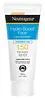
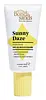
Neutrogena Hydro Boost Face Lotion Sunscreen SPF 50 Versus bondi sands Sunny Daze SPF 50 Moisturiser


What's inside
What's inside
 Key Ingredients
Benefits
Concerns
Ingredients Side-by-side
Bis-Ethylhexyloxyphenol Methoxyphenyl Triazine
Skin Conditioning
Butyl Methoxydibenzoylmethane
UV Absorber
Ethylhexyl Triazone
UV Absorber
Homosalate
Skin Conditioning
Methylene Bis-Benzotriazolyl Tetramethylbutylphenol
UV Filter
Octocrylene
UV Absorber

1,2-Hexanediol
Skin Conditioning
Acacia Seyal Gum
HumectantAcrylates Copolymer
Acrylates/Dimethicone Copolymer
Skin Conditioning
CI 42090
Cosmetic ColorantCaprylyl Glycol
Emollient
Cetyl Dimethicone
Emollient
Citric Acid
Buffering


Silica
Abrasive


Decyl Glucoside
Cleansing
Decylene Glycol
Skin ConditioningDibutyl Adipate
EmollientDicaprylyl Carbonate
EmollientDimethicone
Emollient
Disodium EDTA
Tocopheryl Acetate
Antioxidant

Parfum
Masking

Glyceryl Stearate
Emollient
Hyaluronic Acid
Humectant


Hydroxyacetophenone
Antioxidant

Menthyl Lactate
Masking
Pentylene Glycol
Skin Conditioning
Phenoxyethanol
Preservative
Polyglyceryl-3 Methylglucose Distearate
Emulsifying
Potassium Cetyl Phosphate
EmulsifyingPropylene Glycol
Humectant
Water
Skin ConditioningSodium Hydroxide
BufferingSolvent Violet 13
Cera Alba
Emollient

Xanthan Gum
EmulsifyingBis-Ethylhexyloxyphenol Methoxyphenyl Triazine, Butyl Methoxydibenzoylmethane, Ethylhexyl Triazone, Homosalate, Methylene Bis-Benzotriazolyl Tetramethylbutylphenol, Octocrylene, 1,2-Hexanediol, Acacia Seyal Gum, Acrylates Copolymer, Acrylates/Dimethicone Copolymer, CI 42090, Caprylyl Glycol, Cetyl Dimethicone, Citric Acid, Silica, Decyl Glucoside, Decylene Glycol, Dibutyl Adipate, Dicaprylyl Carbonate, Dimethicone, Disodium EDTA, Tocopheryl Acetate, Parfum, Glyceryl Stearate, Hyaluronic Acid, Hydroxyacetophenone, Menthyl Lactate, Pentylene Glycol, Phenoxyethanol, Polyglyceryl-3 Methylglucose Distearate, Potassium Cetyl Phosphate, Propylene Glycol, Water, Sodium Hydroxide, Solvent Violet 13, Cera Alba, Xanthan Gum
Water
Skin ConditioningZinc Oxide
Cosmetic Colorant
Caprylic/Capric Triglyceride
Masking
Butyloctyl Salicylate
Skin Conditioning
Glycerin
Humectant
Polyhydroxystearic Acid
Emulsifying
Cetearyl Alcohol
Emollient
Phenoxyethanol
Preservative
Polyurethane-62
Benzyl Alcohol
Perfuming

Saccharide Isomerate
Humectant
Citric Acid
Buffering
Propanediol
Solvent
Lecithin
Emollient
Xanthan Gum
EmulsifyingCI 77492
Cosmetic ColorantSodium Phytate
Ethylhexylglycerin
Skin ConditioningTrideceth-6
EmulsifyingTocopherol
Antioxidant
CI 77499
Cosmetic ColorantCI 77491
Cosmetic ColorantAlcohol
Antimicrobial
Helianthus Annuus Seed Oil
Emollient
Sodium Citrate
BufferingErythritol
Humectant
Hibiscus Esculentus Fruit Extract
Skin ConditioningWater, Zinc Oxide, Caprylic/Capric Triglyceride, Butyloctyl Salicylate, Glycerin, Polyhydroxystearic Acid, Cetearyl Alcohol, Phenoxyethanol, Polyurethane-62, Benzyl Alcohol, Saccharide Isomerate, Citric Acid, Propanediol, Lecithin, Xanthan Gum, CI 77492, Sodium Phytate, Ethylhexylglycerin, Trideceth-6, Tocopherol, CI 77499, CI 77491, Alcohol, Helianthus Annuus Seed Oil, Sodium Citrate, Erythritol, Hibiscus Esculentus Fruit Extract
Reviews
Ingredients Explained
These ingredients are found in both products.
Ingredients higher up in an ingredient list are typically present in a larger amount.
Citric Acid is an alpha hydroxy acid (AHA) naturally found in citrus fruits like oranges, lemons, and limes.
Like other AHAs, citric acid can exfoliate skin by breaking down the bonds that hold dead skin cells together. This helps reveal smoother and brighter skin underneath.
However, this exfoliating effect only happens at high concentrations (20%) which can be hard to find in cosmetic products.
Due to this, citric acid is usually included in small amounts as a pH adjuster. This helps keep products slightly more acidic and compatible with skin's natural pH.
In skincare formulas, citric acid can:
While it can provide some skin benefits, research shows lactic acid and glycolic acid are generally more effective and less irritating exfoliants.
Most citric acid used in skincare today is made by fermenting sugars (usually from molasses). This synthetic version is identical to the natural citrus form but easier to stabilize and use in formulations.
Read more about some other popular AHA's here:
Learn more about Citric AcidPhenoxyethanol is a preservative that has germicide, antimicrobial, and aromatic properties. Studies show that phenoxyethanol can prevent microbial growth. By itself, it has a scent that is similar to that of a rose.
It's often used in formulations along with Caprylyl Glycol to preserve the shelf life of products.
Water. It's the most common cosmetic ingredient of all. You'll usually see it at the top of ingredient lists, meaning that it makes up the largest part of the product.
So why is it so popular? Water most often acts as a solvent - this means that it helps dissolve other ingredients into the formulation.
You'll also recognize water as that liquid we all need to stay alive. If you see this, drink a glass of water. Remember to stay hydrated!
Learn more about WaterXanthan gum is used as a stabilizer and thickener within cosmetic products. It helps give products a sticky, thick feeling - preventing them from being too runny.
On the technical side of things, xanthan gum is a polysaccharide - a combination consisting of multiple sugar molecules bonded together.
Xanthan gum is a pretty common and great ingredient. It is a natural, non-toxic, non-irritating ingredient that is also commonly used in food products.
Learn more about Xanthan Gum
