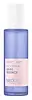
This hydrating essence is formulated around Bifida Ferment Lysate and Saccharomyces Ferment Filtrate to hydrate skin and strengthen the skin barrier.
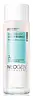
This barrier-repair essence is formulated around Snail Secretion Filtrate and Centella Asiatica Extract to strengthen the skin barrier and calm redness.

What's inside
What's inside
 Key Ingredients
Benefits
Concerns
Ingredients Side-by-side
Bifida Ferment Lysate
Skin Conditioning



Saccharomyces Ferment Filtrate
Humectant

Betula Platyphylla Japonica Juice
Skin Conditioning
Rice Ferment Filtrate
Skin Conditioning

Aspergillus Ferment
Skin ConditioningGlycerin
Humectant
Dipropylene Glycol
HumectantMethyl Gluceth-20
Humectant
Water
Skin ConditioningBetaine
Humectant
Camellia Sinensis Leaf Extract
Antimicrobial



Ethylhexylglycerin
Skin ConditioningTrehalose
Humectant
Lactobacillus
Skin ConditioningPEG-60 Hydrogenated Castor Oil
Emulsifying
Caprylyl Glycol
Emollient
Trideceth-10
CleansingAcrylates/C10-30 Alkyl Acrylate Crosspolymer
Emulsion StabilisingTromethamine
Buffering1,2-Hexanediol
Skin Conditioning
Tropolone
Skin ConditioningAllantoin
Skin Conditioning
Butylene Glycol
Humectant
Coptis Japonica Extract
AntimicrobialArginine
Masking
Hydroxypropyl Methylcellulose
Emulsion StabilisingHydrogenated Lecithin
Emulsifying
CI 77220
Cosmetic ColorantSodium Hyaluronate
Humectant
Adenosine
Skin Conditioning
Niacinamide
Smoothing


Dextrin
AbsorbentGlycine
Buffering
Serine
Masking
Glutamic Acid
Humectant
Aspartic Acid
Masking
Leucine
Skin ConditioningAlanine
Masking
Lysine
Skin ConditioningTyrosine
MaskingPhenylalanine
Masking
Proline
Skin Conditioning
Threonine
Valine
MaskingIsoleucine
Skin ConditioningPhenoxyethanol
Preservative
Histidine
Humectant
Methionine
Skin ConditioningCysteine
Antioxidant
Bifida Ferment Lysate, Saccharomyces Ferment Filtrate, Betula Platyphylla Japonica Juice, Rice Ferment Filtrate, Aspergillus Ferment, Glycerin, Dipropylene Glycol, Methyl Gluceth-20, Water, Betaine, Camellia Sinensis Leaf Extract, Ethylhexylglycerin, Trehalose, Lactobacillus, PEG-60 Hydrogenated Castor Oil, Caprylyl Glycol, Trideceth-10, Acrylates/C10-30 Alkyl Acrylate Crosspolymer, Tromethamine, 1,2-Hexanediol, Tropolone, Allantoin, Butylene Glycol, Coptis Japonica Extract, Arginine, Hydroxypropyl Methylcellulose, Hydrogenated Lecithin, CI 77220, Sodium Hyaluronate, Adenosine, Niacinamide, Dextrin, Glycine, Serine, Glutamic Acid, Aspartic Acid, Leucine, Alanine, Lysine, Tyrosine, Phenylalanine, Proline, Threonine, Valine, Isoleucine, Phenoxyethanol, Histidine, Methionine, Cysteine
Snail Secretion Filtrate 96%
Skin Conditioning
1,2-Hexanediol
Skin Conditioning
Betaine
Humectant
Sodium Polyacrylate
Absorbent
Carbomer
Emulsion StabilisingArginine
Masking
Octyldodeceth-16
EmulsifyingPyrus Communis Fruit Extract
Skin ConditioningRosa Damascena Flower Water
Masking
Hedera Helix Leaf/Stem Extract
AntimicrobialFragaria Chiloensis Fruit Extract
Skin Conditioning
Pimpinella Anisum Fruit Extract
MaskingWater
Skin ConditioningButyl Avocadate
Skin Conditioning
Glycerin
Humectant
Butylene Glycol
Humectant
Asiaticoside
Antioxidant
Madecassic Acid
Skin Conditioning
Asiatic Acid
Skin Conditioning
Centella Asiatica Extract
Cleansing
Vaccinium Macrocarpon Fruit Extract
AstringentRubus Idaeus Fruit Extract
AstringentVaccinium Angustifolium Fruit Extract
Skin Protecting
Cornus Officinalis Fruit Extract
Skin ConditioningEuterpe Oleracea Fruit Extract
Sambucus Nigra Fruit Extract
AstringentSchisandra Chinensis Fruit Extract
Skin Conditioning
Panax Ginseng Berry Extract
Skin Conditioning
Vaccinium Myrtillus Fruit Extract
Skin ConditioningEpilobium Fleischeri Extract
Skin ConditioningPunica Granatum Fruit Extract
Antioxidant
Citric Acid
Buffering
Potassium Sorbate
Preservative
Hydrolyzed Hyaluronic Acid
Humectant
Ethylhexylglycerin
Skin ConditioningHibiscus Sabdariffa Flower Extract
Skin ConditioningPropyl Gallate
Antioxidant


Madecassoside
Antioxidant
Snail Secretion Filtrate 96%, 1,2-Hexanediol, Betaine, Sodium Polyacrylate, Carbomer, Arginine, Octyldodeceth-16, Pyrus Communis Fruit Extract, Rosa Damascena Flower Water, Hedera Helix Leaf/Stem Extract, Fragaria Chiloensis Fruit Extract, Pimpinella Anisum Fruit Extract, Water, Butyl Avocadate, Glycerin, Butylene Glycol, Asiaticoside, Madecassic Acid, Asiatic Acid, Centella Asiatica Extract, Vaccinium Macrocarpon Fruit Extract, Rubus Idaeus Fruit Extract, Vaccinium Angustifolium Fruit Extract, Cornus Officinalis Fruit Extract, Euterpe Oleracea Fruit Extract, Sambucus Nigra Fruit Extract, Schisandra Chinensis Fruit Extract, Panax Ginseng Berry Extract, Vaccinium Myrtillus Fruit Extract, Epilobium Fleischeri Extract, Punica Granatum Fruit Extract, Citric Acid, Potassium Sorbate, Hydrolyzed Hyaluronic Acid, Ethylhexylglycerin, Hibiscus Sabdariffa Flower Extract, Propyl Gallate, Madecassoside
Reviews
Ingredients Explained
These ingredients are found in both products.
Ingredients higher up in an ingredient list are typically present in a larger amount.
1,2-Hexanediol is a synthetic liquid and another multi-functional powerhouse.
It is a:
- Humectant, drawing moisture into the skin
- Emollient, helping to soften skin
- Solvent, dispersing and stabilizing formulas
- Preservative booster, enhancing the antimicrobial activity of other preservatives
Arginine is a semi-essential amino acid. This just means our bodies can product a bit on its own, but sometimes needs a little boost from food sources.
It is a part of your skin's natural moisturizing factor (NMF), or the water-loving molecules in your outermost layer of skin (stratum corneum) that keeps everything hydrated and happy.
Here's an interesting thing about Arginine: your skin converts it into urea through the Krebs-Henseleit urea cycle. Urea is one of the most effective humectants your skin naturally produces.
A clinical study showed applying 2.5% arginine hydrochloride to atopic dermatitis skin showed significant urea levels in the stratum corneum and improved moisture in just four weeks.
Arginine is also a precursor to nitric oxide; nitric oxide improves microcirculation and supports wound healing and collagen synthesis.
One study found that an amino acid complex containing Arginine reduced skin irritation, improved hydration, and accelerated skin repair in clinical / in-vivo studies.
Arginine itself is an amino acid and not a fatty acid, oil, or ester. On its own, it's not a direct food source for Malassezia, or the yeast that causes fungal acne.
Learn more about ArginineBetaine is a humectant. Like hyaluronic acid, it helps attract and retain moisture in the skin. It’s known for being gentle and for helping the skin maintain balanced hydration.
Betaine is mainly used to improve hydration and support calmer skin. It helps skin cells regulate water balance because it functions as an osmolyte.
Some studies suggest betaine may support making skin tone more even.
Fun fact: Betaine naturally exists in the skin and the body. In cosmetic products, it can be either plant-derived (most commonly from sugar beets) or synthetically produced for consistency and stability.
Betaine is also known as trimethylglycine.
Learn more about BetaineButylene Glycol (or BG) is used within cosmetic products for a few different reasons:
Overall, Butylene Glycol is a safe and well-rounded ingredient that works well with other ingredients.
Though this ingredient works well with most skin types, some people with sensitive skin may experience a reaction such as allergic rashes, closed comedones, or itchiness.
Learn more about Butylene GlycolEthylhexylglycerin is created from glycerin. It is a multitasker ingredient that:
The CIR Expert Panel found minimal skin absorption or sensitization of any kind in a safety assessment. Though this ingredient is considered well-tolerated, a small number of cases of allergic dermatitis have been published since 2002. Just be sure to patch test if you are unsure.
Industry-reported use ranges from 8% in rinse-off products and 2% in leave-on formulations.
Learn more about EthylhexylglycerinGlycerin (or glycerol) is a compound naturally found in your skin. It's a powerhouse humectant that pulls water into the stratum corneum.
Topically, glycerin does several things at once:
Your skin makes glycerin on its own (mostly from sebaceous oil breakdown) and shuttles it to your outermost layer of skin, or your epidermis, via aquaporin-3.
Aquaporin-3 is a transporter that is essential for normal skin hydration, elasticity, and repair. Interestingly, mice lacking in AQP3 have dry and less elastic skin that can be fully corrected with glycerin.
This ingredient is non-irritating, plays well with almost every ingredient, and works across all skin types. Typical use is anywhere between 3-10% but can go up to 79% in some leave-on products.
Just know very high concentrations (>40%) can feel tacky in low humidity.
Glycerin is the name for this ingredient in American English. British English uses Glycerol/Glycerine.
Learn more about GlycerinWater. It's the most common cosmetic ingredient of all. You'll usually see it at the top of ingredient lists, meaning that it makes up the largest part of the product.
So why is it so popular? Water most often acts as a solvent - this means that it helps dissolve other ingredients into the formulation.
You'll also recognize water as that liquid we all need to stay alive. If you see this, drink a glass of water. Remember to stay hydrated!
Learn more about Water

