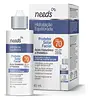
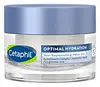
Needs Hidratação Equilibrada Protetor Solar Facial SPF 70 Versus Cetaphil Optimal Hydration Skin Replenishing Water Gel
This chemical sunscreen covers the full UV range and blocks ~99% of UVB at SPF 70.
This barrier-repair moisturizer is formulated around Panthenol and Niacinamide to strengthen the skin barrier and hydrate skin.


What's inside
What's inside
 Key Ingredients
Benefits
Concerns
Ingredients Side-by-side
Water
Skin ConditioningOctocrylene
UV Absorber



Homosalate
Skin Conditioning
Cyclopentasiloxane
Emollient
Butyl Methoxydibenzoylmethane
UV Absorber
Butyloctyl Salicylate
Skin Conditioning
Potassium Cetyl Phosphate
EmulsifyingPhenylbenzimidazole Sulfonic Acid
UV Absorber
Diethylamino Hydroxybenzoyl Hexyl Benzoate
UV Filter
Dicaprylyl Carbonate
EmollientTriacontanyl Pvp
HumectantC12-15 Alkyl Benzoate
AntimicrobialPropanediol
Solvent

Silica
Abrasive


Ethylhexyl Triazone
UV Absorber
Tocopheryl Acetate
Antioxidant


Alpha-Glucan Oligosaccharide
Cleansing
Phenoxyethanol
Preservative
Acrylates Copolymer
Panthenol
Skin Conditioning


Caprylyl Glycol
Emollient
Acrylates/C10-30 Alkyl Acrylate Crosspolymer
Emulsion StabilisingParfum
Masking


Xanthan Gum
EmulsifyingDisodium EDTA
ChelatingSodium Hyaluronate
Humectant

Linalool
Perfuming
Triethanolamine
BufferingBenzyl Benzoate
Antimicrobial
Citronellol
Perfuming
Water, Octocrylene, Homosalate, Cyclopentasiloxane, Butyl Methoxydibenzoylmethane, Butyloctyl Salicylate, Potassium Cetyl Phosphate, Phenylbenzimidazole Sulfonic Acid, Diethylamino Hydroxybenzoyl Hexyl Benzoate, Dicaprylyl Carbonate, Triacontanyl Pvp, C12-15 Alkyl Benzoate, Propanediol, Silica, Ethylhexyl Triazone, Tocopheryl Acetate, Alpha-Glucan Oligosaccharide, Phenoxyethanol, Acrylates Copolymer, Panthenol, Caprylyl Glycol, Acrylates/C10-30 Alkyl Acrylate Crosspolymer, Parfum, Xanthan Gum, Disodium EDTA, Sodium Hyaluronate, Linalool, Triethanolamine, Benzyl Benzoate, Citronellol
Water
Skin ConditioningGlycerin
Humectant
Dimethicone
Emollient
Propanediol
Solvent
Panthenol
Skin Conditioning
Niacinamide
Smoothing



Octyldodecanol
Emollient
Sodium Polyacryloyldimethyl Taurate
Emulsion StabilisingHydrolyzed Hyaluronic Acid
Humectant
Sodium Hyaluronate
Humectant
Polyglutamic Acid
Skin Conditioning
Allantoin
Skin Conditioning
Xylitylglucoside
Humectant
Anhydroxylitol
Humectant
Distarch Phosphate
AbsorbentHydroxyacetophenone
Antioxidant
Acrylates/C10-30 Alkyl Acrylate Crosspolymer
Emulsion StabilisingCaprylyl Glycol
Emollient
1,2-Hexanediol
Skin Conditioning
Trehalose
Humectant
Urea
Buffering
Xylitol
Humectant
Xanthan Gum
EmulsifyingPentylene Glycol
Skin Conditioning
Serine
Masking
Sodium Hydroxide
BufferingPantolactone
Humectant
Algin
MaskingDisodium Phosphate
BufferingGlyceryl Polyacrylate
Pullulan
Globularia Alypum Leaf Extract
Skin ConditioningCitric Acid
Buffering
Potassium Phosphate
BufferingWater, Glycerin, Dimethicone, Propanediol, Panthenol, Niacinamide, Octyldodecanol, Sodium Polyacryloyldimethyl Taurate, Hydrolyzed Hyaluronic Acid, Sodium Hyaluronate, Polyglutamic Acid, Allantoin, Xylitylglucoside, Anhydroxylitol, Distarch Phosphate, Hydroxyacetophenone, Acrylates/C10-30 Alkyl Acrylate Crosspolymer, Caprylyl Glycol, 1,2-Hexanediol, Trehalose, Urea, Xylitol, Xanthan Gum, Pentylene Glycol, Serine, Sodium Hydroxide, Pantolactone, Algin, Disodium Phosphate, Glyceryl Polyacrylate, Pullulan, Globularia Alypum Leaf Extract, Citric Acid, Potassium Phosphate
Reviews
Ingredients Explained
These ingredients are found in both products.
Ingredients higher up in an ingredient list are typically present in a larger amount.
Acrylates/C10-30 Alkyl Acrylate Crosspolymer is a synthetic polymer. It is used to thicken, emulsify, and improve the texture of products.
As an emulsifier, it helps stabilize oil-in-water emulsions to give products an elegant feel when applied.
It can also form a thin protective film on skin. One study found that a formula using this polymer helped slow down how quickly other ingredients (like DEET) were absorbed through skin.
A 2024 study of over 1,300 patients confirmed that sensitization to this ingredient is rare. It is also non-mutagenic and has a clean track record.
Learn more about Acrylates/C10-30 Alkyl Acrylate CrosspolymerCaprylyl Glycol is a humectant, skin conditioner, emollient, and preservative booster derived from either caprylic acid or synthetically created.
Typical use levels vary from 0.3-1% as a preservative booster and go up to 2% to condition skin.
Because it is not a free-fatty acid, this ingredient is fungal acne safe (there's nothing for Malassezia to feed on).
Learn more about Caprylyl GlycolPanthenol is a common ingredient that helps hydrate and soothe the skin. It is found naturally in our skin and hair.
There are two forms of panthenol: D and L.
D-panthenol is also known as dexpanthenol. Most cosmetics use dexpanthenol or a mixture of D and L-panthenol.
Panthenol is famous due to its ability to go deeper into the skin's layers. Using this ingredient has numerous pros (and no cons):
Like hyaluronic acid, panthenol is a humectant. Humectants are able to bind and hold large amounts of water to keep skin hydrated.
This ingredient works well for wound healing. It works by increasing tissue in the wound and helps close open wounds.
Once oxidized, panthenol converts to pantothenic acid. Panthothenic acid is found in all living cells.
This ingredient is also referred to as pro-vitamin B5.
Learn more about PanthenolPropanediol is an all-star ingredient. It softens, hydrates, and smooths the skin.
It’s often used to:
Propanediol is not likely to cause sensitivity and considered safe to use. It is derived from corn or petroleum with a clear color and no scent.
Learn more about PropanediolSodium Hyaluronate is the salt form of hyaluronic acid. It is a long sugar chain that is naturally found in your skin, joints, and connective tissue that maintains hydration and elasticity.
In skincare, it works as a humectant. It pulls water from the environment and deeper layers of skin and binds it to the surface.
Interestingly, the size of the molecule affects its behavior:
Some clinical evidence links low molecular weight versions to improved wrinkle depth, elasticity, anti-inflammatory effects, and barrier repair.
Many serums use a blend of both weights so you can get surface hydration plus longer-lasting and deeper effects.
You'll typically see concentrations between 0.1-2% for this ingredient.
Learn more about Sodium HyaluronateWater. It's the most common cosmetic ingredient of all. You'll usually see it at the top of ingredient lists, meaning that it makes up the largest part of the product.
So why is it so popular? Water most often acts as a solvent - this means that it helps dissolve other ingredients into the formulation.
You'll also recognize water as that liquid we all need to stay alive. If you see this, drink a glass of water. Remember to stay hydrated!
Learn more about WaterXanthan gum is used as a stabilizer and thickener within cosmetic products. It helps give products a sticky, thick feeling - preventing them from being too runny.
On the technical side of things, xanthan gum is a polysaccharide - a combination consisting of multiple sugar molecules bonded together.
Xanthan gum is a pretty common and great ingredient. It is a natural, non-toxic, non-irritating ingredient that is also commonly used in food products.
Learn more about Xanthan Gum

