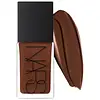
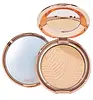
NARS Cosmetics Light Reflecting Advanced Skincare Foundation Versus Tarte Amazonian Clay Blurring Powder Foundation


What's inside
What's inside
 Key Ingredients
Benefits
Concerns
Ingredients Side-by-side
Water
Skin ConditioningC9-12 Alkane
SolventButylene Glycol
Humectant

Undecane
EmollientIsodecyl Neopentanoate
EmollientHydrogenated Polyisobutene
EmollientTridecane
Perfuming

Polyglyceryl-2 Diisostearate
Emulsifying

Polyglyceryl-6 Polyricinoleate
Emulsifying
Diisostearyl Malate
EmollientDisteardimonium Hectorite
StabilisingGlycerin
Humectant
Sodium Chloride
MaskingSynthetic Wax
Abrasive

Alumina
Abrasive
Ascophyllum Nodosum Extract
Skin Conditioning

Ascorbyl Palmitate
Antioxidant


CI 77120
Cosmetic ColorantChlorphenesin
Antimicrobial
Citric Acid
Buffering
Ethylhexylglycerin
Skin ConditioningHydroxyphenyl Propamidobenzoic Acid
Skin ConditioningMica
Cosmetic ColorantOphiopogon Japonicus Root Extract
Skin ConditioningPentylene Glycol
Skin Conditioning
Potassium Sorbate
Preservative
Maris Aqua
HumectantSilybum Marianum Fruit Extract
Skin Conditioning
Trisodium EDTA
ChelatingTheobroma Cacao Seed Extract
Antioxidant
Aluminum Hydroxide
EmollientCoco-Caprylate/Caprate
Emollient
Magnesium Chloride
Sodium Dilauramidoglutamide Lysine
HumectantTocopherol
Antioxidant


Phenoxyethanol
Preservative
Curcuma Longa Root Extract
Antioxidant
CI 77891
Cosmetic ColorantWater, C9-12 Alkane, Butylene Glycol, Undecane, Isodecyl Neopentanoate, Hydrogenated Polyisobutene, Tridecane, Polyglyceryl-2 Diisostearate, Polyglyceryl-6 Polyricinoleate, Diisostearyl Malate, Disteardimonium Hectorite, Glycerin, Sodium Chloride, Synthetic Wax, Alumina, Ascophyllum Nodosum Extract, Ascorbyl Palmitate, CI 77120, Chlorphenesin, Citric Acid, Ethylhexylglycerin, Hydroxyphenyl Propamidobenzoic Acid, Mica, Ophiopogon Japonicus Root Extract, Pentylene Glycol, Potassium Sorbate, Maris Aqua, Silybum Marianum Fruit Extract, Trisodium EDTA, Theobroma Cacao Seed Extract, Aluminum Hydroxide, Coco-Caprylate/Caprate, Magnesium Chloride, Sodium Dilauramidoglutamide Lysine, Tocopherol, Phenoxyethanol, Curcuma Longa Root Extract, CI 77891
Mica
Cosmetic ColorantZinc Stearate
Cosmetic ColorantSilica
Abrasive

Coco-Caprylate/Caprate
Emollient
Octyldodecyl Stearoyl Stearate
Emollient
Sodium Starch Octenylsuccinate
AbsorbentMagnesium Myristate
Synthetic Fluorphlogopite
Lauroyl Lysine
Skin Conditioning
Kaolin
Abrasive
Glyceryl Caprylate
EmollientPentylene Glycol
Skin Conditioning
Cetyl Alcohol
Emollient
Tocopheryl Acetate
Antioxidant
Magnolia Officinalis Bark Extract
Antimicrobial
Squalane
Emollient
Boron Nitride
Absorbent
Ricinus Communis Seed Oil
Masking
Hydrolyzed Sodium Hyaluronate
Skin Conditioning
Sodium Hyaluronate
Humectant
Hydrogenated Castor Oil
Emollient
Tin Oxide
Abrasive
Alumina
Abrasive
Magnesium Oxide
AbsorbentTitanium Dioxide
Cosmetic Colorant

CI 19140
Cosmetic ColorantCI 77491
Cosmetic ColorantCI 77492
Cosmetic ColorantCI 77499
Cosmetic ColorantMica, Zinc Stearate, Silica, Coco-Caprylate/Caprate, Octyldodecyl Stearoyl Stearate, Sodium Starch Octenylsuccinate, Magnesium Myristate, Synthetic Fluorphlogopite, Lauroyl Lysine, Kaolin, Glyceryl Caprylate, Pentylene Glycol, Cetyl Alcohol, Tocopheryl Acetate, Magnolia Officinalis Bark Extract, Squalane, Boron Nitride, Ricinus Communis Seed Oil, Hydrolyzed Sodium Hyaluronate, Sodium Hyaluronate, Hydrogenated Castor Oil, Tin Oxide, Alumina, Magnesium Oxide, Titanium Dioxide, CI 19140, CI 77491, CI 77492, CI 77499
Reviews
Ingredients Explained
These ingredients are found in both products.
Ingredients higher up in an ingredient list are typically present in a larger amount.
Alumina (aka aluminum oxide) is an inorganic mineral powder refined from bauxite that works as a quiet workhorse in a formula.
It shows up often as an abrasive, absorbent, anticaking, bulking, and viscosity-controlling agent.
One of its most common jobs is acting as a pigment carrier and dispersant.
Alumina platelets are often blended with inorganic sunscreens like Titanium Dioxide (or with colorants) and then coated with a silicone such as Triethoxycaprylylsilane so the pigment spreads evenly and smoothly.
In makeup, it can also double as a light-diffusing powder or oil absorber to keep formulas from looking greasy.
The Cosmetic Ingredient Review Expert Panel has concluded alumina to be safe in present practices of use and concentration.
They note it's a stable, oxidized compound and scientific research has failed to establish links to health issues.
Concentrations vary depending on the product:
Learn more about AluminaCoco-Caprylate/Caprate is a lightweight ester created from coconut oil fatty acids, caprylic acid, and capric acid.
It is an emollient that helps soften skin and reduce transepidermal water loss (TEWL). What sets it apart from heavier emollients is its ultralight, non-greasy feel.
Once applied, this ingredient dries down quickly and leaves a dry, silky finish behind. This also helps improve spreadability and texture.
This ingredient has an excellent safety-record and is non-irritating.
Typical concentrations for cosmetics range from 0.5-62%.
Research on Malassezia growth found no growth on fatty acid esters with chain lengths shorter than 12 carbons (it prefers C11-24).
Since Coco-Caprylate/Caprate is built on C8 and C10 fatty acids, it is out of the range that Malassezia metabolizes, and therefore safe for fungal acne.
Learn more about Coco-Caprylate/CaprateMica is a naturally occurring mineral used to add shimmer and color in cosmetics. It can also help improve the texture of a product or give it an opaque, white/silver color.
Serecite is the name for very fine but ragged grains of mica.
This ingredient is often coated with metal oxides like titanium dioxide. Trace amounts of heavy metals may be found in mica, but these metals are not harmful in our personal products.
Mica has been used since prehistoric times throughout the world. Ancient Egyptian, Indian, Greek, Roman, Aztec, and Chinese civilizations have used mica.
Learn more about MicaPentylene Glycol (1,2-pentanediol) is a multitasking little diol with three main roles in a formula:
Research on alkanediols (the family pentylene glycol belongs to) show they work by disrupting microbial cell membranes. This disruption helps the primary preservative system in a product work more effectively at lower doses.
On the safety side, the Cosmetic Ingredient Review Expert Panel has concluded this ingredient to be safe as used in current cosmetic practices + concentrations.
Typical use levels in a formula run about 1-5%.
Learn more about Pentylene Glycol

