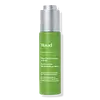
This anti-aging oil is formulated around Retinol and Hydroxypinacolone Retinoate to soften the look of wrinkles and refine skin texture.
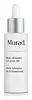
This brightening oil is formulated around Tetrahexyldecyl Ascorbate and Retinyl Propionate to brighten dull-looking skin.

What's inside
What's inside
 Key Ingredients
Benefits
Concerns
Ingredients Side-by-side
Caprylic/Capric Triglyceride
Masking


Simmondsia Chinensis Seed Oil
Emollient



C9-12 Alkane
SolventTriolein
Skin Conditioning
Retinol
Skin Conditioning








Hydroxypinacolone Retinoate
Skin Conditioning
Retinyl Linoleate
Skin Conditioning
Tocopheryl Acetate
Antioxidant

Bisabolol
Antioxidant

Hexylresorcinol
Antimicrobial
Tetrahexyldecyl Ascorbate
Antioxidant
Oryza Sativa Bran Extract
Skin Conditioning
Helianthus Annuus Extract
Emollient
Rosmarinus Officinalis Leaf Extract
AntimicrobialTocopherol
Antioxidant
Squalane
Emollient
Dimethyl Isosorbide
SolventCoco-Caprylate/Caprate
Emollient
Undecane
EmollientTridecane
Perfuming

Helianthus Annuus Seed Oil
Emollient
Water
Skin ConditioningCitronellol
Perfuming

Alpha-Isomethyl Ionone
Perfuming
Linalyl Acetate
Masking
Tetramethyl Acetyloctahydronaphthalenes
Masking
Parfum
Masking
Caprylic/Capric Triglyceride, Simmondsia Chinensis Seed Oil, C9-12 Alkane, Triolein, Retinol, Hydroxypinacolone Retinoate, Retinyl Linoleate, Tocopheryl Acetate, Bisabolol, Hexylresorcinol, Tetrahexyldecyl Ascorbate, Oryza Sativa Bran Extract, Helianthus Annuus Extract, Rosmarinus Officinalis Leaf Extract, Tocopherol, Squalane, Dimethyl Isosorbide, Coco-Caprylate/Caprate, Undecane, Tridecane, Helianthus Annuus Seed Oil, Water, Citronellol, Alpha-Isomethyl Ionone, Linalyl Acetate, Tetramethyl Acetyloctahydronaphthalenes, Parfum
Coconut Alkanes
Emollient
Simmondsia Chinensis Seed Oil
Emollient
Cocos Nucifera Oil
Masking
Moringa Oleifera Seed Oil
Emollient
Coco-Caprylate/Caprate
Emollient
Ethylene/Propylene/Styrene Copolymer
Tocopheryl Acetate
Antioxidant
Tetrahexyldecyl Ascorbate
Antioxidant
Cannabis Sativa Seed Oil
Emollient
Rosa Canina Seed Oil
Emollient
Retinyl Propionate
Skin Conditioning
Linoleic Acid
Cleansing
Linolenic Acid
Cleansing
Tocopherol
Antioxidant
Panthenyl Triacetate
Hexylresorcinol
Antimicrobial
7-Dehydrocholesterol
Emulsion StabilisingSalicylic Acid
Masking


Punica Granatum Sterols
Skin Conditioning
Rosmarinus Officinalis Leaf Extract
AntimicrobialOryza Sativa Bran Extract
Skin Conditioning
Helianthus Annuus Extract
Emollient
Zea Mays Oil
Emulsifying
Butylene/Ethylene/Styrene Copolymer
Parfum
Masking
Citral
Perfuming
Linalool
Perfuming
Limonene
Perfuming
Coconut Alkanes, Simmondsia Chinensis Seed Oil, Cocos Nucifera Oil, Moringa Oleifera Seed Oil, Coco-Caprylate/Caprate, Ethylene/Propylene/Styrene Copolymer, Tocopheryl Acetate, Tetrahexyldecyl Ascorbate, Cannabis Sativa Seed Oil, Rosa Canina Seed Oil, Retinyl Propionate, Linoleic Acid, Linolenic Acid, Tocopherol, Panthenyl Triacetate, Hexylresorcinol, 7-Dehydrocholesterol, Salicylic Acid, Punica Granatum Sterols, Rosmarinus Officinalis Leaf Extract, Oryza Sativa Bran Extract, Helianthus Annuus Extract, Zea Mays Oil, Butylene/Ethylene/Styrene Copolymer, Parfum, Citral, Linalool, Limonene
Ingredients Explained
These ingredients are found in both products.
Ingredients higher up in an ingredient list are typically present in a larger amount.
Coco-Caprylate/Caprate is a lightweight ester created from coconut oil fatty acids, caprylic acid, and capric acid.
It is an emollient that helps soften skin and reduce transepidermal water loss (TEWL). What sets it apart from heavier emollients is its ultralight, non-greasy feel.
Once applied, this ingredient dries down quickly and leaves a dry, silky finish behind. This also helps improve spreadability and texture.
This ingredient has an excellent safety-record and is non-irritating.
Typical concentrations for cosmetics range from 0.5-62%.
Research on Malassezia growth found no growth on fatty acid esters with chain lengths shorter than 12 carbons (it prefers C11-24).
Since Coco-Caprylate/Caprate is built on C8 and C10 fatty acids, it is out of the range that Malassezia metabolizes, and therefore safe for fungal acne.
Learn more about Coco-Caprylate/CaprateHelianthus Annuus Extract comes from the common sunflower.
Sunflowers are rich in vitamin E. Studies show sunflowers contain antimicrobial and antioxidant properties.
The fatty acids found in sunflowers include (from highest amount to least): linoleic acid, myristic acid, palmitic acid, stearic acid, arachidic acid, oleic acid, and linolenic acid.
These fatty acids hydrate your skin. Emollients create a film on the skin to prevent moisture from escaping.
Learn more about Helianthus Annuus ExtractAnother popular name for this ingredient is Synovea HR. This ingredient is a skin lightener and antioxidant.
Like other skin lighteners, it blocks the process of skin darkening. Specifically, this ingredient blocks tyrosinase, the enzyme responsible for darkening skin when exposed to UV.
Hexylresorcinol works well with other ingredients. Studies show this ingredient boosts the effect of niacinamide, various forms of vitamin C, and retinoids.
Many consider this to be a safer alternative to hydroquinone. In fact, this ingredient produces the same results as hydroquinone in lower amounts.
Fun fact: This ingredient can also be found food and medicine for treating skin infections.
Gentle reminder from SkinSort: all skin tones are beautiful!
Learn more about HexylresorcinolOryza Sativa Bran Extract comes from the outer layer of a rice kernel. It is a byproduct of milling rice, or the operation to produce a whole grain rice product.
This ingredient has moisturizing properties due to its components of polysaccharides and omega-3 fatty acids. It also contains calcium, selenium, phosphorus, iron, and zinc.
Oryza Sativa Bran Extract contains numerous antioxidants such as ferulic acid. Antioxidants help fight free-radical molecules. Free-radical molecules are capable of damaging our cells and other genetic material.
Learn more about Oryza Sativa Bran ExtractParfum is a catch-all term for an ingredient or more that is used to give a scent to products.
Also called "fragrance", this ingredient can be a blend of hundreds of chemicals or plant oils. This means every product with "fragrance" or "parfum" in the ingredients list is a different mixture.
For instance, Habanolide is a proprietary trade name for a specific aroma chemical. When used as a fragrance ingredient in cosmetics, most aroma chemicals fall under the broad labeling category of “FRAGRANCE” or “PARFUM” according to EU and US regulations.
The term 'parfum' or 'fragrance' is not regulated in many countries. In many cases, it is up to the brand to define this term.
For instance, many brands choose to label themselves as "fragrance-free" because they are not using synthetic fragrances. However, their products may still contain ingredients such as essential oils that are considered a fragrance by INCI standards.
One example is Calendula flower extract. Calendula is an essential oil that still imparts a scent or 'fragrance'.
Depending on the blend, the ingredients in the mixture can cause allergies and sensitivities on the skin. Some ingredients that are known EU allergens include linalool and citronellol.
Parfum can also be used to mask or cover an unpleasant scent.
The bottom line is: not all fragrances/parfum/ingredients are created equally. If you are worried about fragrances, we recommend taking a closer look at an ingredient. And of course, we always recommend speaking with a professional.
Learn more about ParfumThis is a botanical extract from the rosemary plant (the same one you cook with). In skincare, it mostly works as a skin conditioning agent.
Its activity comes from a handful of polyphenols, carnosic acid, carnosol, and rosmarinic acid. Almost 90% of the antioxidant activity of this ingredient can be attributed to canosol and carnosic acid.
These compounds protect your skin two ways:
1) They fight off free radicals, or the unstable molecules from things like sun and pollution that age and damage skin.
2) They help calm inflammation by switching off the chemical signals that tell skin to get red and irritated.
Lab studies also suggest that rosmarinic acid may help protect collagen and slow sugar-related damage to it.
The Cosmetic Ingredient Review has concluded rosemary-derived ingredients to be safe when formulated to be non-sensitizing.
Rosemary can occasionally cause allergic contact dermatitis (due to carnosol), so be sure to patch test if you have reactive or fragrance-sensitive skin.
Learn more about Rosmarinus Officinalis Leaf ExtractJojoba oil is one of the most well-studied plant-derived ingredients in cosmetics. It is an emollient with a special structure.
Because it is made up of 97-98% wax esters, it closely mirrors the linear monoesters found in human sebum. This makes it skin compatible, non-greasy, and lightweight.
Unlike other plant oils, jojoba wax doesn't easily penetrate skin. It mostly works in the uppermost layers as an emollient. This just means it forms a light barrier on the skin to help retain moisture.
Formulations with jojoba esters up to 90% reduced transepidermal water loss (TEWL) and increased barrier recovery by 81% (outperforming bisabolol at 47%).
Besides barrier support, the science also suggests jojoba to have anti-inflammatory effects and potential applications for skin infections, aging, and wound healing.
Fun fact: Indigenous cultures have used jojoba as a moisturizer and to help treat burns for centuries.
Fungal acne: The Malassezia yeast is known to metabolize fatty acids in the C11-24 range and jojoba's dominant fatty acid components fall into this range. This ingredient may not be fungal acne safe.
Learn more about Simmondsia Chinensis Seed OilTetrahexyldecyl Ascorbate (THD) is a stable and oil-soluble form of Vitamin C.
THD is special in that it has the ability to travel deeper into skin than traditional ascorbic acid while maintaining the same skin benefits (double win!).
Because it’s oil-soluble, THD dives deep into your skin’s fatty layers (think ceramides and cholesterol) to fight off the kind of free radicals that mess with your skin barrier. This makes it a great pair with water-based vitamin C (ascorbic acid) that mainly works on the surface.
Even at just 0.1%, THD is already showing great antioxidant activity. When used up to 2%, it helps keep your skin happy and calm, especially when it’s stressed from pollution or sun.
Want to fade dark spots or tackle hyperpigmentation? You’ll want 5% or more. Pairing it with brightening buddies like niacinamide or licorice root gives even better results. One study even used 30% THD with other brighteners and saw real results on stubborn discoloration, even in melasma-prone skin.
A note on THD: It’s has a slightly silky, oily texture and usually shows up colorless or pale yellow (though the exact shade can vary by supplier).
While you can sneak it into water-based formulas, it really shines when paired with silicones or oils, which help your skin soak it up better.
THD is pretty stable, but it’s still vulnerable to degradation like ascorbic acid. Too much light or heat (above 113°F / 45°C) can break it down over time. Go for dark and opaque packaging that keeps it safe and shady!
Read more about other types of Vitamin C:
Learn more about Tetrahexyldecyl AscorbateTocopherol is a fat-soluble antioxidant known as Vitamin E.
You'll find this ingredient in the vast majority of skincare (for good reason). It works to neutralize free radicals, or unstable molecules generated by UV exposure, pollution, and other environmental stressors, before they can cause oxidative damage to your skin cells.
Topically applied tocopherol has been shown to protect against UV damage by ramping up the skin's own natural defense enzymes.
It also acts as a skin conditioning agent; some studies show that regular topical use can improve the skin's water-binding capacity over 2-4 weeks.
This ingredient is especially loved for being a team player. When combined with Vitamin C, the photoprotective effect of both ingredients roughly doubles and the combo also helps reduce UV-induced DNA damage.
This ingredient has some brightening potential but it's more of a prevention ingredient than spot-fader. Cell studies show it can slow down melanin production but it's worth noting that it's not the most powerful brightener out there.
In formulations, it also serves as a stabilizer that helps protect other oxidation-prone ingredients from degrading.
Concentrations usually range from 0.1-1% in most leave-on products.
Learn more about TocopherolTocopheryl Acetate is a stable, shelf-friendly form of vitamin E.
Formulators love it because plain vitamin E oxidizes quickly once it hits air. This acetate version stays stable and resists going off, helping to extend a product's shelf life.
It's actually inactive on its own and works like a slow-release "storage" form; the enzymes in your skin called esterases gradually convert it into active vitamin E over time.
One in vivo study showed 5% of the acetate in the living layer of the epidermis converted to vitamin E after 5 days of application. This study also found the skin gained protection against UV damage even though the conversion was slow and small.
Once converted, vitamin E acts as a skin's main fat-soluble antioxidant that fights free radicals to protect skin from damage.
Topical vitamin E generally boosts the skin's photoprotection, and it reduced UV-damage in animal models.
This ingredient has some brightening potential but it's more of a prevention ingredient than spot-fader. Cell studies show it can slow down melanin production but it's worth noting that it's not the most powerful brightener out there.
Overall, it has a pretty solid safety profile and has been found to be non-irritating and non-comedogenic. Allergic reactions may happen but stay rare due to how widely the ingredient gets used.
The concentration will vary depending on the formula; industry data shows 0.1% in baby lotions, 3% in lipsticks, and 5% in foot powders. You can also find this ingredient at 100% in a pure vitamin E oil.
Most leave-on skincare keeps it at the lower end, often between 0.5-1%.
Learn more about Tocopheryl Acetate

