
What's inside
What's inside
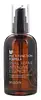 Key Ingredients
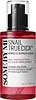
Benefits
Ingredients Side-by-side
Water
Skin ConditioningMethylpropanediol
SolventSnail Secretion Filtrate
Skin Conditioning





Glycerin
Humectant
Glycereth-26
Humectant
Carbomer
Emulsion StabilisingTromethamine
BufferingTrehalose
Humectant
Fructooligosaccharides
Humectant
Saccharide Hydrolysate
HumectantEthylhexylglycerin
Skin ConditioningSodium Polyacrylate
Absorbent
1,2-Hexanediol
Skin Conditioning
Pullulan
Propanediol
Solvent
Adenosine
Skin Conditioning
Disodium EDTA
Centella Asiatica Extract
Cleansing
Houttuynia Cordata Extract
Skin Conditioning
Salvia Hispanica Seed Extract
EmollientSodium Hyaluronate
Humectant
Hyaluronic Acid
Humectant
Phenoxyethanol
Preservative
Water, Methylpropanediol, Snail Secretion Filtrate, Glycerin, Glycereth-26, Carbomer, Tromethamine, Trehalose, Fructooligosaccharides, Saccharide Hydrolysate, Ethylhexylglycerin, Sodium Polyacrylate, 1,2-Hexanediol, Pullulan, Propanediol, Adenosine, Disodium EDTA, Centella Asiatica Extract, Houttuynia Cordata Extract, Salvia Hispanica Seed Extract, Sodium Hyaluronate, Hyaluronic Acid, Phenoxyethanol
Water
Skin ConditioningButylene Glycol
Humectant
Niacinamide
Smoothing





1,2-Hexanediol
Skin Conditioning
Snail Secretion Filtrate
Skin Conditioning
C12-14 Pareth-12
EmulsifyingC12-14 Pareth-7
EmulsifyingCarbomer
Emulsion StabilisingTromethamine
BufferingDioscorea Japonica Root Extract
Skin Conditioning
Trehalose
Humectant
Ethylhexylglycerin
Skin ConditioningBeta-Glucan
Skin Conditioning
Hydrolyzed Corn Starch
HumectantCitrus Aurantium Bergamia Fruit Oil
Masking


Allantoin
Skin Conditioning
Adenosine
Skin Conditioning
Disodium EDTA
Sucrose
Humectant
Melaleuca Alternifolia Leaf Extract
Perfuming
Glycyrrhiza Glabra Root Extract
Bleaching
Agrimonia Eupatoria Extract
AstringentSalvia Officinalis Oil
Masking
Centella Asiatica Extract
Cleansing
Salvia Officinalis Leaf Extract
CleansingCamellia Sinensis Leaf Extract
Antimicrobial
Chamaecyparis Obtusa Leaf Extract
Skin ConditioningSilybum Marianum Seed Extract
Skin ConditioningPerilla Frutescens Leaf Extract
MaskingSodium Chondroitin Sulfate
Skin Conditioning
Broussonetia Kazinoki Root Extract
Skin ConditioningPropolis Extract
Skin Conditioning
Artemisia Capillaris Extract
Cimicifuga Dahurica Root Extract
Antioxidant
Salix Alba Bark Extract
Astringent
Pentylene Glycol
Skin Conditioning
Madecassoside
Antioxidant
Oenothera Biennis Flower Extract
AstringentAsiaticoside
Antioxidant
Asiatic Acid
Skin Conditioning
Madecassic Acid
Skin Conditioning
Phenoxyethanol
Preservative
Water, Butylene Glycol, Niacinamide, 1,2-Hexanediol, Snail Secretion Filtrate, C12-14 Pareth-12, C12-14 Pareth-7, Carbomer, Tromethamine, Dioscorea Japonica Root Extract, Trehalose, Ethylhexylglycerin, Beta-Glucan, Hydrolyzed Corn Starch, Citrus Aurantium Bergamia Fruit Oil, Allantoin, Adenosine, Disodium EDTA, Sucrose, Melaleuca Alternifolia Leaf Extract, Glycyrrhiza Glabra Root Extract, Agrimonia Eupatoria Extract, Salvia Officinalis Oil, Centella Asiatica Extract, Salvia Officinalis Leaf Extract, Camellia Sinensis Leaf Extract, Chamaecyparis Obtusa Leaf Extract, Silybum Marianum Seed Extract, Perilla Frutescens Leaf Extract, Sodium Chondroitin Sulfate, Broussonetia Kazinoki Root Extract, Propolis Extract, Artemisia Capillaris Extract, Cimicifuga Dahurica Root Extract, Salix Alba Bark Extract, Pentylene Glycol, Madecassoside, Oenothera Biennis Flower Extract, Asiaticoside, Asiatic Acid, Madecassic Acid, Phenoxyethanol
Reviews
Ingredients Explained
These ingredients are found in both products.
Ingredients higher up in an ingredient list are typically present in a larger amount.
1,2-Hexanediol is a synthetic liquid and another multi-functional powerhouse.
It is a:
- Humectant, drawing moisture into the skin
- Emollient, helping to soften skin
- Solvent, dispersing and stabilizing formulas
- Preservative booster, enhancing the antimicrobial activity of other preservatives
Adenosine is in every living organism. It is one of four components in nucleic acids that helps store our DNA.
Adenosine has many benefits when used. These benefits include hydrating the skin, smoothing skin, and reducing wrinkles. Once applied, adenosine increases collagen production. It also helps with improving firmness and tissue repair.
Studies have found adenosine may also help with wound healing.
In skincare products, Adenosine is usually derived from yeast.
Learn more about AdenosineCarbomer is a high-molecular weight polymer of acrylic acid. It is used to form gels and thicken formulas.
Due to its large molecular size, carbomer has minimal skin penetration and is considered an inert ingredient.
A high amount of carbomer can cause pilling or balling up of products. Don't worry, most products contain 1% or less of carbomer.
Learn more about CarbomerCentella Asiatica Extract (Centella) is derived from an herb native to Southeast Asia. It is famous for its anti-inflammatory and soothing properties.
Centella is rich in antioxidants and amino acids, such as Madecassic Acid and Asiaticoside.
Studies show the compounds in centella help with:
The combination of all these properties makes centella effective at soothing, hydrating, and protecting the skin.
Other great components of centella include Vitamin A, vitamin C, several B vitamins, and Asiatic Acid.
Fun fact: Centella has been used as a medicine and in food for many centuries. As a medicine, it is used to treat burns, scratches, and wounds.
Learn more about Centella Asiatica ExtractDisodium EDTA is a chelating agent. It grabs onto and deactivates metal ions that sneak into your products from water, packaging, or air.
This ingredient mainly works behind the scenes and helps with:
On top of that, this ingredient can counteract the effects of hard water by binding to the minerals in it.
One thing worth knowing is that Disodium EDTA has been shown to be a mild penetration enhancer. It can help other ingredients absorb into skin more effectively which can be a double-edged sword (great for actives, but can also make the active too strong if you have sensitive skin).
Clinical patch testing showed no significant skin irritation at typical use concentrations and minimal dermal absorption.
You'll most likely see this ingredient near the end of an ingredient list. It's typically found in concentrations less than 1%.
Learn more about Disodium EDTAEthylhexylglycerin is created from glycerin. It is a multitasker ingredient that:
The CIR Expert Panel found minimal skin absorption or sensitization of any kind in a safety assessment. Though this ingredient is considered well-tolerated, a small number of cases of allergic dermatitis have been published since 2002. Just be sure to patch test if you are unsure.
Industry-reported use ranges from 8% in rinse-off products and 2% in leave-on formulations.
Learn more about EthylhexylglycerinPhenoxyethanol is a preservative that has germicide, antimicrobial, and aromatic properties. Studies show that phenoxyethanol can prevent microbial growth. By itself, it has a scent that is similar to that of a rose.
It's often used in formulations along with Caprylyl Glycol to preserve the shelf life of products.
Snail Secretion Filtrate (the slimy mucus that garden snails produce) is a multitasking ingredient that shows up in "skin repair" formulas.
This ingredient works because it's a grab bag of skin-friendly stuff like:
In a formula, it acts as a humectant and barrier-supporting soother and the research backs this up as well.
A 2025 systematic review of human clinical trials found that snail-derived ingredients improved signs of aging, increased skin hydration, decreased transepidermal water loss, and improved healing after radiation therapy/fractional laser treatment.
Lab studies have also shown the secretion promotes the proliferation, migration, and survival of the cells that rebuild skin (keratinocytes and dermal fibroblasts).
There's also a placebo-controlled study where a serum containing it helped with mask-related acne.
Overall, this is a gentle, water-based multitasker that works great for hydrating and supporting the skin barrier. However, please see the section below if you have dust mite or shellfish allergies.
You'll see snail filtrate listed at very different percentages depending on the product. Some Korean serums list it near the top of the ingredients at 90% or more while other products use just a few percent.
This doesn't mean the high-percentage ones are far stronger. Raw snail filtrate is mostly water to begin with so using a lot of it isn't the same thing as using a lot of the active ingredients.
Other products use a concentrated version so a small amount goes a long way. Either approach can work well. Just know the percentage on the label isn't a reliable way to judge how effective a snail product will be.
Being cruelty-free means a brand does not experiment on animals. If you're worried about the well-being of the snails, we recommend looking more into the company of the product. Many brands claim to have developed humane methods to collect snail mucin.
There is much debate on this subject. On one hand, this ingredient comes from an animal. On the other hand, many will argue the ingredient is naturally secreted (like a natural by-product) and therefore vegan. If you have reservations, you can look into Galactomyces Ferment Filtrate or Centella Asiatica Extract as alternatives.
This ingredient is fungal acne safe. Its core composition lacks the fatty acid/ester triggers that Malassezia depends on.
True allergy to Snail Secretion Filtrate is uncommon and most documented cases are linked to a dust mite allergy.
Snail proteins (including Tropomyosin) are similar enough to dust mite proteins that the immune system can confuse them.
In most documented cases, the dust mite was the original trigger and tropomyosin turned out to be only a minor player in some studies (so this has not been fully confirmed).
Another thing to know is that nearly all the evidence comes from eating snails or inhaling the protein and not from cosmetics.
However, the allergenic proteins can survive filtration into a finished product; a topical reaction is biologically plausible but there's little published evidence of it actually happening.
People who are allergic to dust mites (or sometimes shellfish) are the most likely to react.
Learn more about Snail Secretion FiltrateTrehalose is a disaccharide made of two glucose molecules (glucose is sugar!). Trehalose is used to help moisturize skin. It also has antioxidant properties.
As a humectant, trehalose helps draw moisture from the air to your skin. This helps keep your skin hydrated.
Due to its antioxidant properties, trehalose may help with signs of aging. Antioxidants help fight free-radical molecules, unstable molecules that may damage your skin.
In medicine, trehalose and hyaluronic acid are used to help treat dry eyes.
Some animals, plants, and bacteria create trehalose as a source of energy to survive freeze or lack of water.
Learn more about TrehaloseTromethamine helps balance the pH and improve the texture of a product. It is synthetically created.
As an emulsifier, Tromethamine prevents oil and water ingredients from separating. This helps stabilize the product and elongate a product's shelf life. Tromethamine also makes a product thicker.
Tromethamine helps balance the pH level of a product. Normal pH level of skin is slightly acidic (~4.75-5.5). The acidity of our skin is maintained by our glands and skin biome. Being slightly acidic allows our skin to create an "acid mantle". This acid mantle is a thin barrier that protects our skin from bacteria and contaminants.
Oral Tromethanmine is an anti-inflammatory drug but plays the role of masking, adding fragrance, and/or balancing pH in skincare.
1,3-Propanediol, 2-amino-2-(hydroxymethyl)-
Learn more about TromethamineWater. It's the most common cosmetic ingredient of all. You'll usually see it at the top of ingredient lists, meaning that it makes up the largest part of the product.
So why is it so popular? Water most often acts as a solvent - this means that it helps dissolve other ingredients into the formulation.
You'll also recognize water as that liquid we all need to stay alive. If you see this, drink a glass of water. Remember to stay hydrated!
Learn more about Water
