This barrier-repair serum is formulated around Niacinamide and Snail Secretion Filtrate to strengthen the skin barrier and calm redness.
This brightening serum is formulated around Arbutin and Niacinamide to fade the look of dark spots and brighten dull-looking skin.

What's inside
What's inside
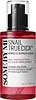 Key Ingredients
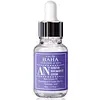
Benefits
Concerns
No concerns
Ingredients Side-by-side
Water
Skin ConditioningButylene Glycol
Humectant

Niacinamide
Smoothing










1,2-Hexanediol
Skin Conditioning
Snail Secretion Filtrate
Skin Conditioning
C12-14 Pareth-12
EmulsifyingC12-14 Pareth-7
EmulsifyingCarbomer
Emulsion StabilisingTromethamine
BufferingDioscorea Japonica Root Extract
Skin Conditioning
Trehalose
Humectant
Ethylhexylglycerin
Skin ConditioningBeta-Glucan
Skin Conditioning
Hydrolyzed Corn Starch
HumectantCitrus Aurantium Bergamia Fruit Oil
Masking



Allantoin
Skin Conditioning
Adenosine
Skin Conditioning
Disodium EDTA
ChelatingSucrose
Humectant
Melaleuca Alternifolia Leaf Extract
Perfuming
Glycyrrhiza Glabra Root Extract
Bleaching
Agrimonia Eupatoria Extract
AstringentSalvia Officinalis Oil
Masking
Centella Asiatica Extract
Cleansing
Salvia Officinalis Leaf Extract
CleansingCamellia Sinensis Leaf Extract
Antimicrobial
Chamaecyparis Obtusa Leaf Extract
Skin ConditioningSilybum Marianum Seed Extract
Skin ConditioningPerilla Frutescens Leaf Extract
MaskingSodium Chondroitin Sulfate
Skin ConditioningBroussonetia Kazinoki Root Extract
Skin ConditioningPropolis Extract
Skin Conditioning
Artemisia Capillaris Extract
Cimicifuga Dahurica Root Extract
Antioxidant
Salix Alba Bark Extract
Astringent
Pentylene Glycol
Skin Conditioning
Madecassoside
Antioxidant
Oenothera Biennis Flower Extract
AstringentAsiaticoside
Antioxidant
Asiatic Acid
Skin Conditioning
Madecassic Acid
Skin Conditioning
Phenoxyethanol
Preservative
Water, Butylene Glycol, Niacinamide, 1,2-Hexanediol, Snail Secretion Filtrate, C12-14 Pareth-12, C12-14 Pareth-7, Carbomer, Tromethamine, Dioscorea Japonica Root Extract, Trehalose, Ethylhexylglycerin, Beta-Glucan, Hydrolyzed Corn Starch, Citrus Aurantium Bergamia Fruit Oil, Allantoin, Adenosine, Disodium EDTA, Sucrose, Melaleuca Alternifolia Leaf Extract, Glycyrrhiza Glabra Root Extract, Agrimonia Eupatoria Extract, Salvia Officinalis Oil, Centella Asiatica Extract, Salvia Officinalis Leaf Extract, Camellia Sinensis Leaf Extract, Chamaecyparis Obtusa Leaf Extract, Silybum Marianum Seed Extract, Perilla Frutescens Leaf Extract, Sodium Chondroitin Sulfate, Broussonetia Kazinoki Root Extract, Propolis Extract, Artemisia Capillaris Extract, Cimicifuga Dahurica Root Extract, Salix Alba Bark Extract, Pentylene Glycol, Madecassoside, Oenothera Biennis Flower Extract, Asiaticoside, Asiatic Acid, Madecassic Acid, Phenoxyethanol
Aloe Barbadensis Leaf Extract
Emollient
Propanediol
Solvent
Arbutin
Antioxidant
Niacinamide
Smoothing
Glycerin
Humectant
1,2-Hexanediol
Skin Conditioning
Sodium Hyaluronate
Humectant
Dipotassium Glycyrrhizate
Humectant
Allantoin
Skin Conditioning
Camellia Sinensis Leaf Extract
Antimicrobial
Momordica Charantia Fruit Extract
Skin ConditioningSambucus Nigra Flower Extract
RefreshingLeontopodium Alpinum Extract
Skin Conditioning
Reviews
Ingredients Explained
These ingredients are found in both products.
Ingredients higher up in an ingredient list are typically present in a larger amount.
1,2-Hexanediol is a synthetic liquid and another multi-functional powerhouse.
It is a:
- Humectant, drawing moisture into the skin
- Emollient, helping to soften skin
- Solvent, dispersing and stabilizing formulas
- Preservative booster, enhancing the antimicrobial activity of other preservatives
Allantoin is a soothing ingredient known for its protective and moisturizing properties; it's basically a quiet workhorse ingredient you can find in a huge range of cosmetics.
Though it can be derived from the comfrey plant, allantoin is produced synthetically for cosmetic products to ensure purity.
Research shows it can encourage your skin cells to turn over and renew by stimulating keratinocyte and fibroblast proliferation.
It also has mild keratolytic properties to help loosen and shed dead skin cells without being harsh.
Studies also suggest allantoin can help calm inflammation by dialing down some of the chemical signals your skin sends out when it is irritated.
This ingredient is typically used in the 0.1-0.5% range, and the FDA recognizes it as a skin protectant in OTC products up to 2%.
Overall, allantoin is a wonderful addition to most routines; it is stable across a wide pH range (~4-8), works well with other ingredients, and is considered non-sensitizing/non-irritating.
Fun fact: Allantoin is naturally occurring in comfrey root, beets, chamomile, and wheat sprouts. Our bodies even produce it as a byproduct of uric acid metabolism.
Learn more about AllantoinCamellia Sinensis Leaf Extract (tea extract) is one of the most well-researched plant extracts in skincare with an impressive resume.
Black tea, green tea, and oolong tea are all harvested from the Camellia Sinensis plant.
Studies show green tea extract and its catechins (like epigallocatechin gallate (EGCG)) help your skin cells product energy more efficiently and reducing the number of free-radicals that can damage your skin from the inside.
In lab-grown skin models, this translated to younger, healthier, and stronger skin.
There's also good sun protection data; researchers saw less DNA damage and redness on human skin when green tea was applied before UVB exposure. And the more they applied, the better the protection.
Needless to say, this ingredient shouldn't replace your sunscreen. But it is a great supportive ingredient that you can already find in many sunscreens and antioxidant serums.
A 2009 study found a 2% green tea lotion was effective for mild-to-moderate acne thanks to its anti-inflammatory and mild antimicrobial activity.
The quality of the extract matters a lot here:
Good extracts contain 50-90% catechins while lower quality ones are mostly there for marketing. We recommend reaching out to the brand if you have questions about the quality or source of their ingredients.
Human Repeated Insult Patch Testing showed no irritation or sensitization at use concentrations (0.86% in leave-on products and up to 30% as leaf water).
Learn more about Camellia Sinensis Leaf ExtractNiacinamide is a multitasking form of vitamin B3 that strengthens the skin barrier, reduces pores and dark spots, regulates oil, and improves signs of aging.
And the best part? It's gentle and well-tolerated by most skin types, including sensitive and reactive skin.
You might have heard of "niacin flush", or the reddening of skin that causes itchiness. Niacinamide has not been found to cause this.
In very rare cases, some individuals may not be able to tolerate niacinamide at all or experience an allergic reaction to it.
If you are experiencing flaking, irritation, and dryness with this ingredient, be sure to double check all your products as this ingredient can be found in all categories of skincare.
When incorporating niacinamide into your routine, look out for concentration amounts. Typically, 5% niacinamide provides benefits such as fading dark spots. However, if you have sensitive skin, it is better to begin with a smaller concentration.
When you apply niacinamide to your skin, your body converts it into nicotinamide adenine dinucleotide (NAD). NAD is an essential coenzyme that is already found in your cells as "fuel" and powers countless biological processes.
In your skin, NAD helps repair cell damage, produce new healthy cells, support collagen production, strengthen the skin barrier, and fight environmental stressors (like UV and pollution).
Our natural NAD levels start to decline with age, leading to slower skin repair, visible aging, and a weaker skin barrier. By providing your skin niacinamide, you're recharging your skin's NAD levels. This leads to stronger, healthier, and younger looking skin.
Another name for vitamin B3 is nicotinamide. This vitamin is water-soluble and our bodies don't store it. We obtain Vitamin B3 from either food or skincare. Meat, fish, wheat, yeast, and leafy greens contain vitamin B3.
The type of niacinamide used in skincare is synthetically created.
Learn more about Niacinamide

