

What's inside
What's inside
 Key Ingredients
Benefits
Concerns
Ingredients Side-by-side
Water
Skin ConditioningSnail Secretion Filtrate
Skin Conditioning





Glycerin
Humectant
1,2-Hexanediol
Skin Conditioning
Limnanthes Alba Seed Oil
Skin Conditioning

Niacinamide
Smoothing







Butylene Glycol
Humectant
Cetearyl Olivate
Squalane
Emollient
Polyglyceryl-3 Methylglucose Distearate
Emulsifying
Sorbitan Olivate
Emulsifying
Octyldodecanol
Emollient
Cetearyl Alcohol
Emollient


Glyceryl Stearate
Emollient
Beeswax
Emulsion Stabilising
Dimethicone
Emollient
Polyacrylate-13
Palmitic Acid
Emollient
Stearic Acid
Cleansing
Chlorphenesin
Antimicrobial
Phenoxyethanol
Preservative
Polyisobutene
Ethylhexylglycerin
Skin ConditioningAdenosine
Skin Conditioning
Polysorbate 20
Emulsifying
Sorbitan Isostearate
Emulsifying
Disodium EDTA
Betula Alba Juice
AstringentPrunus Amygdalus Dulcis Seed Extract
Skin ConditioningMyristic Acid
Cleansing
Sodium Hyaluronate
Humectant
Portulaca Oleracea Extract
Skin Conditioning
Copper Tripeptide-1
Skin Conditioning
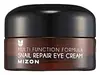
Water, Snail Secretion Filtrate, Glycerin, 1,2-Hexanediol, Limnanthes Alba Seed Oil, Niacinamide, Butylene Glycol, Cetearyl Olivate, Squalane, Polyglyceryl-3 Methylglucose Distearate, Sorbitan Olivate, Octyldodecanol, Cetearyl Alcohol, Glyceryl Stearate, Beeswax, Dimethicone, Polyacrylate-13, Palmitic Acid, Stearic Acid, Chlorphenesin, Phenoxyethanol, Polyisobutene, Ethylhexylglycerin, Adenosine, Polysorbate 20, Sorbitan Isostearate, Disodium EDTA, Betula Alba Juice, Prunus Amygdalus Dulcis Seed Extract, Myristic Acid, Sodium Hyaluronate, Portulaca Oleracea Extract, Copper Tripeptide-1
Water
Skin ConditioningButyrospermum Parkii Butter
Skin Conditioning
Butylene Glycol
Humectant
Tridecyl Stearate
Emollient
PEG-30 Dipolyhydroxystearate
Emulsifying
Isodecyl Salicylate
Skin ConditioningTridecyl Trimellitate
EmollientPersea Gratissima Oil
Skin Conditioning
Isocetyl Stearoyl Stearate
Emollient
Propylene Glycol
Humectant

Dipentaerythrityl Hexacaprylate/Hexacaprate
EmulsifyingSorbitan Sesquioleate
Emulsifying
Magnesium Sulfate
Hydrogenated Castor Oil
Emollient
Sodium PCA
Humectant
Phenoxyethanol
Preservative
Chlorphenesin
Antimicrobial
Hydrogenated Jojoba Oil
Abrasive
P-Anisic Acid
Masking
Tocopheryl Acetate
Antioxidant

Isopropyl Palmitate
Emollient
Disodium EDTA
Copper PCA
HumectantHelianthus Annuus Seed Oil
Emollient
CI 40800
Cosmetic ColorantCitric Acid
Buffering
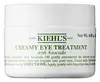
Water, Butyrospermum Parkii Butter, Butylene Glycol, Tridecyl Stearate, PEG-30 Dipolyhydroxystearate, Isodecyl Salicylate, Tridecyl Trimellitate, Persea Gratissima Oil, Isocetyl Stearoyl Stearate, Propylene Glycol, Dipentaerythrityl Hexacaprylate/Hexacaprate, Sorbitan Sesquioleate, Magnesium Sulfate, Hydrogenated Castor Oil, Sodium PCA, Phenoxyethanol, Chlorphenesin, Hydrogenated Jojoba Oil, P-Anisic Acid, Tocopheryl Acetate, Isopropyl Palmitate, Disodium EDTA, Copper PCA, Helianthus Annuus Seed Oil, CI 40800, Citric Acid
Reviews
Ingredients Explained
These ingredients are found in both products.
Ingredients higher up in an ingredient list are typically present in a larger amount.
Butylene Glycol (or BG) is used within cosmetic products for a few different reasons:
Overall, Butylene Glycol is a safe and well-rounded ingredient that works well with other ingredients.
Though this ingredient works well with most skin types, some people with sensitive skin may experience a reaction such as allergic rashes, closed comedones, or itchiness.
Learn more about Butylene GlycolChlorphenesin is a synthetic preservative. It helps protect a product against bacteria in order to extend shelf life. In most cases, Chlorphenesin is paired with other preservatives such as phenoxyethanol and caprylyl glycol.
Chlorphenesin is a biocide. This means it is able to help fight the microorganisms on our skin. It is also able to fight odor-releasing bacteria.
Chlorphenesin is soluble in both water and glycerin.
Studies show Chlorphenesin is easily absorbed by our skin. You should speak with a skincare professional if you have concerns about using Chlorphenesin.
Learn more about ChlorphenesinDisodium EDTA is a chelating agent. It grabs onto and deactivates metal ions that sneak into your products from water, packaging, or air.
This ingredient mainly works behind the scenes and helps with:
On top of that, this ingredient can counteract the effects of hard water by binding to the minerals in it.
One thing worth knowing is that Disodium EDTA has been shown to be a mild penetration enhancer. It can help other ingredients absorb into skin more effectively which can be a double-edged sword (great for actives, but can also make the active too strong if you have sensitive skin).
Clinical patch testing showed no significant skin irritation at typical use concentrations and minimal dermal absorption.
You'll most likely see this ingredient near the end of an ingredient list. It's typically found in concentrations less than 1%.
Learn more about Disodium EDTAPhenoxyethanol is a preservative that has germicide, antimicrobial, and aromatic properties. Studies show that phenoxyethanol can prevent microbial growth. By itself, it has a scent that is similar to that of a rose.
It's often used in formulations along with Caprylyl Glycol to preserve the shelf life of products.
Water. It's the most common cosmetic ingredient of all. You'll usually see it at the top of ingredient lists, meaning that it makes up the largest part of the product.
So why is it so popular? Water most often acts as a solvent - this means that it helps dissolve other ingredients into the formulation.
You'll also recognize water as that liquid we all need to stay alive. If you see this, drink a glass of water. Remember to stay hydrated!
Learn more about Water
