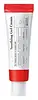
This acne moisturizer is formulated around Niacinamide and Salix Alba Bark Extract to clear breakouts and calm redness.
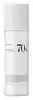
This calming moisturizer is formulated around Houttuynia Cordata Extract to calm redness.

What's inside
What's inside
 Key Ingredients
Benefits
Concerns
Ingredients Side-by-side
Water
Skin ConditioningDipropylene Glycol
HumectantMethylpropanediol
SolventNiacinamide
Smoothing











Glycerin
Humectant
Methyl Gluceth-20
Humectant
1,2-Hexanediol
Skin Conditioning
Hydroxyacetophenone
Antioxidant
Diethoxyethyl Succinate
SolventAmmonium Acryloyldimethyltaurate/Vp Copolymer
Arginine
Masking
Acrylates/C10-30 Alkyl Acrylate Crosspolymer
Emulsion StabilisingCarbomer
Emulsion StabilisingPanthenol
Skin Conditioning
Butylene Glycol
Humectant
Allantoin
Skin Conditioning
Dipotassium Glycyrrhizate
Humectant
Glyceryl Acrylate/Acrylic Acid Copolymer
HumectantPvm/Ma Copolymer
Emulsion StabilisingSalix Alba Bark Extract
Astringent
Sodium Hyaluronate
Humectant
Biosaccharide Gum-1
Humectant
Oligopeptide-19
Skin Conditioning
Copper Tripeptide-1
Skin Conditioning
Melaleuca Alternifolia Leaf Water
Antimicrobial
Ethylhexylglycerin
Skin ConditioningAlanine
Masking
Serine
Masking
Glutamic Acid
Humectant
Glycine
Buffering
Hydrogenated Lecithin
Emulsifying
Melaleuca Alternifolia Leaf Extract
Perfuming
Sorbitan Olivate
Emulsifying

Cetearyl Olivate
Glucose
Humectant
Hexapeptide-61 Dimer
Skin Conditioning
Solanum Melongena Fruit Extract
Skin ConditioningLupeol
Skin ConditioningWater, Dipropylene Glycol, Methylpropanediol, Niacinamide, Glycerin, Methyl Gluceth-20, 1,2-Hexanediol, Hydroxyacetophenone, Diethoxyethyl Succinate, Ammonium Acryloyldimethyltaurate/Vp Copolymer, Arginine, Acrylates/C10-30 Alkyl Acrylate Crosspolymer, Carbomer, Panthenol, Butylene Glycol, Allantoin, Dipotassium Glycyrrhizate, Glyceryl Acrylate/Acrylic Acid Copolymer, Pvm/Ma Copolymer, Salix Alba Bark Extract, Sodium Hyaluronate, Biosaccharide Gum-1, Oligopeptide-19, Copper Tripeptide-1, Melaleuca Alternifolia Leaf Water, Ethylhexylglycerin, Alanine, Serine, Glutamic Acid, Glycine, Hydrogenated Lecithin, Melaleuca Alternifolia Leaf Extract, Sorbitan Olivate, Cetearyl Olivate, Glucose, Hexapeptide-61 Dimer, Solanum Melongena Fruit Extract, Lupeol
Water
Skin ConditioningGlycerin
Humectant
1,2-Hexanediol
Skin Conditioning
Butylene Glycol
Humectant
Houttuynia Cordata Extract
Skin Conditioning
Glyceryl Stearate
Emollient
Arginine
Masking
Carbomer
Emulsion StabilisingEthylhexylglycerin
Skin ConditioningSodium Stearoyl Glutamate
CleansingGlucose
Humectant
Ulmus Davidiana Root Extract
Skin Conditioning
Amaranthus Caudatus Seed Extract
Skin Conditioning
Hydrogenated Lecithin
Emulsifying
Tocopherol
Antioxidant
Hydrolyzed Hyaluronic Acid
Humectant
Sodium Acetylated Hyaluronate
Humectant
Ethylhexyl Stearate
Emollient


Trehalose
Humectant
Laminaria Japonica Extract
Skin Protecting
Eclipta Prostrata Leaf Extract
Skin ConditioningSodium Hyaluronate
Humectant
Beta-Glucan
Skin Conditioning
Betaine
Humectant
Ficus Carica Fruit Extract
Humectant
Glyceryl Glucoside
Humectant
Glyceryl Stearate Citrate
Emollient
Polyglyceryl-3 Distearate
Emulsifying
Squalane
Emollient
Fructooligosaccharides
Humectant
Hydrogenated Poly(C6-14 Olefin)
EmollientButyrospermum Parkii Butter
Skin Conditioning
Centella Asiatica Extract
Cleansing
Methylpropanediol
SolventFraxinus Rhynchophylla Extract
Skin ConditioningCeramide NP
Skin Conditioning
Cetearyl Glucoside
Emulsifying
Ocimum Basilicum Flower/Leaf/Stem Extract
TonicDisodium EDTA
ChelatingMethyl Trimethicone
Skin Conditioning
Caprylic/Capric Triglyceride
Masking
Cetearyl Alcohol
Emollient
Dipropylene Glycol
HumectantWater, Glycerin, 1,2-Hexanediol, Butylene Glycol, Houttuynia Cordata Extract, Glyceryl Stearate, Arginine, Carbomer, Ethylhexylglycerin, Sodium Stearoyl Glutamate, Glucose, Ulmus Davidiana Root Extract, Amaranthus Caudatus Seed Extract, Hydrogenated Lecithin, Tocopherol, Hydrolyzed Hyaluronic Acid, Sodium Acetylated Hyaluronate, Ethylhexyl Stearate, Trehalose, Laminaria Japonica Extract, Eclipta Prostrata Leaf Extract, Sodium Hyaluronate, Beta-Glucan, Betaine, Ficus Carica Fruit Extract, Glyceryl Glucoside, Glyceryl Stearate Citrate, Polyglyceryl-3 Distearate, Squalane, Fructooligosaccharides, Hydrogenated Poly(C6-14 Olefin), Butyrospermum Parkii Butter, Centella Asiatica Extract, Methylpropanediol, Fraxinus Rhynchophylla Extract, Ceramide NP, Cetearyl Glucoside, Ocimum Basilicum Flower/Leaf/Stem Extract, Disodium EDTA, Methyl Trimethicone, Caprylic/Capric Triglyceride, Cetearyl Alcohol, Dipropylene Glycol
Reviews
Ingredients Explained
These ingredients are found in both products.
Ingredients higher up in an ingredient list are typically present in a larger amount.
1,2-Hexanediol is a synthetic liquid and another multi-functional powerhouse.
It is a:
- Humectant, drawing moisture into the skin
- Emollient, helping to soften skin
- Solvent, dispersing and stabilizing formulas
- Preservative booster, enhancing the antimicrobial activity of other preservatives
Arginine is a semi-essential amino acid. This just means our bodies can product a bit on its own, but sometimes needs a little boost from food sources.
It is a part of your skin's natural moisturizing factor (NMF), or the water-loving molecules in your outermost layer of skin (stratum corneum) that keeps everything hydrated and happy.
Here's an interesting thing about Arginine: your skin converts it into urea through the Krebs-Henseleit urea cycle. Urea is one of the most effective humectants your skin naturally produces.
A clinical study showed applying 2.5% arginine hydrochloride to atopic dermatitis skin showed significant urea levels in the stratum corneum and improved moisture in just four weeks.
Arginine is also a precursor to nitric oxide; nitric oxide improves microcirculation and supports wound healing and collagen synthesis.
One study found that an amino acid complex containing Arginine reduced skin irritation, improved hydration, and accelerated skin repair in clinical / in-vivo studies.
Arginine itself is an amino acid and not a fatty acid, oil, or ester. On its own, it's not a direct food source for Malassezia, or the yeast that causes fungal acne.
Learn more about ArginineButylene Glycol (or BG) is used within cosmetic products for a few different reasons:
Overall, Butylene Glycol is a safe and well-rounded ingredient that works well with other ingredients.
Though this ingredient works well with most skin types, some people with sensitive skin may experience a reaction such as allergic rashes, closed comedones, or itchiness.
Learn more about Butylene GlycolCarbomer is a synthetic thickening and gelling agent. It's basically the ingredient that gives a lot of serums, gels, creams, and sunscreens their smooth, non-sticky texture.
Although legally permitted at very high levels, carbomers are normally used at concentrations below 1%.
It also needs to be neutralized to actually thicken, and because it is a large molecule, it doesn't really penetrate the skin barrier.
Allergy-wise, the risk is very low. Clinical studies show carbomers have low potential for skin irritation/sensitization even at concentrations up to 100%.
A 2024 UK study patch-tested 1,302 patients and found true allergy to the parent group of carbomer to be rare with no confirmed relevant reactions.
Learn more about CarbomerDipropylene Glycol is a synthetically created humectant, stabilizer, and solvent.
This ingredient helps:
Dipropylene glycol is technically an alcohol, but it belongs to the glycol family (often considered part of the ‘good’ alcohols). This means it is hydrating and gentle on skin unlike drying solvent alcohols like denatured alcohol.
As a masking agent, Dipropylene Glycol can be used to cover the smell of other ingredients. However, it does not have a scent.
Studies show Dipropylene Glycol is considered safe to use in skincare.
Learn more about Dipropylene GlycolEthylhexylglycerin is created from glycerin. It is a multitasker ingredient that:
The CIR Expert Panel found minimal skin absorption or sensitization of any kind in a safety assessment. Though this ingredient is considered well-tolerated, a small number of cases of allergic dermatitis have been published since 2002. Just be sure to patch test if you are unsure.
Industry-reported use ranges from 8% in rinse-off products and 2% in leave-on formulations.
Learn more about EthylhexylglycerinGlucose is a simple sugar (a monosaccharide). In skincare, it is mostly a humectant and skin conditioning agent.
Mechanistically, it has multiple hydroxyl groups that hydrogen-bond to water. This pulls moisture into the upper layers of skin to keep the surface soft and hydrated.
It's worth knowing sugars are already a natural component of the skin's NMF (natural moisturizing factor) so it's a molecule that your stratum corneum is well-acquainted with.
Just so you know, glucose is hydrophilic (water-loving) and the stratum corneum is a strong barrier to hydrophilic compounds. This just means penetration is slow and most of the action is happening on the surface.
Gram-to-gram, glucose is not as efficient as a humectant as glycerin. This is why you'll likely see glycose paired with stronger humectants for a bigger hydration payoff.
In skincare, glucose is typically derived from corn or other starch sources.
Learn more about GlucoseGlycerin (or glycerol) is a compound naturally found in your skin. It's a powerhouse humectant that pulls water into the stratum corneum.
Topically, glycerin does several things at once:
Your skin makes glycerin on its own (mostly from sebaceous oil breakdown) and shuttles it to your outermost layer of skin, or your epidermis, via aquaporin-3.
Aquaporin-3 is a transporter that is essential for normal skin hydration, elasticity, and repair. Interestingly, mice lacking in AQP3 have dry and less elastic skin that can be fully corrected with glycerin.
This ingredient is non-irritating, plays well with almost every ingredient, and works across all skin types. Typical use is anywhere between 3-10% but can go up to 79% in some leave-on products.
Just know very high concentrations (>40%) can feel tacky in low humidity.
Glycerin is the name for this ingredient in American English. British English uses Glycerol/Glycerine.
Learn more about GlycerinHydrogenated Lecithin is a more stable version of lecithin.
It's made by taking lecithin (a phospholipid commonly found in soybeans and egg yolks) and hydrogenating it. This just means the unsaturated fatty acids are turned into saturated ones so they don't go bad as easily.
This ingredient is an emollient, emulsifier, and penetration enhancer. As an emollient, it helps soften and hydrate skin by trapping moisture within. As an emulsifier, it prevents oil and water ingredients from separating.
Hydrogenated Lecithin can form tiny spherical structures made of phospholipid bilayers called liposomes. These liposomes are able to capture compounds inside their structure and deliver them through the skin barrier.
Because phospholipids are a natural component of our cell membranes, this ingredient is inherently compatible with skin.
A 2021 study found lecithin-based surfactants were less harsh and more tolerable comared to Sodium Lauryl Sulfate (SLS).
Learn more about Hydrogenated LecithinMethylpropanediol is a synthetic solvent and humectant.
As a solvent, it helps dissolve other ingredients, helping to evenly distribute ingredients throughout the product. This ingredient has also been shown to have antimicrobial properties which makes it a preservative booster.
Methylpropanediol is able to add a bit of moisture to the skin. It also helps other ingredients be better absorbed into the skin, such as salicylic acid.
Learn more about MethylpropanediolSodium Hyaluronate is the salt form of hyaluronic acid. It is a long sugar chain that is naturally found in your skin, joints, and connective tissue that maintains hydration and elasticity.
In skincare, it works as a humectant. It pulls water from the environment and deeper layers of skin and binds it to the surface.
Interestingly, the size of the molecule affects its behavior:
Some clinical evidence links low molecular weight versions to improved wrinkle depth, elasticity, anti-inflammatory effects, and barrier repair.
Many serums use a blend of both weights so you can get surface hydration plus longer-lasting and deeper effects.
You'll typically see concentrations between 0.1-2% for this ingredient.
Learn more about Sodium HyaluronateWater. It's the most common cosmetic ingredient of all. You'll usually see it at the top of ingredient lists, meaning that it makes up the largest part of the product.
So why is it so popular? Water most often acts as a solvent - this means that it helps dissolve other ingredients into the formulation.
You'll also recognize water as that liquid we all need to stay alive. If you see this, drink a glass of water. Remember to stay hydrated!
Learn more about Water

