
What's inside
What's inside
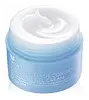 Key Ingredients
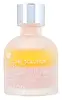
Benefits
Concerns
Ingredients Side-by-side
Water
Skin ConditioningAlcohol
Antimicrobial




Butylene Glycol
Humectant

Sodium Lactate
Buffering
Hydroxyethyl Acrylate/Sodium Acryloyldimethyl Taurate Copolymer
Emulsion StabilisingCyclopentasiloxane
Emollient
Glycerin
Humectant
Cyclohexasiloxane
Emollient
Dimethicone
Emollient
1,2-Hexanediol
Skin Conditioning
Trehalose
Humectant
Glyceryl Stearate Se
Emulsifying


Salicylic Acid
Masking






Cetearyl Alcohol
Emollient

Stearic Acid
Cleansing
Sorbitan Isostearate
Emulsifying
Polysorbate 60
Emulsifying
Hydrogenated Lecithin
Emulsifying
Betula Alba Juice
AstringentCitrus Limon Peel Oil
Masking



Ethylhexylglycerin
Skin ConditioningXanthan Gum
EmulsifyingCarica Papaya Fruit Water
Skin ConditioningRosa Damascena Flower Water
Masking

Melaleuca Alternifolia Leaf Oil
Antioxidant
Disodium EDTA
Sodium Chloride
MaskingHedera Helix Extract
AntimicrobialSodium Hyaluronate
Humectant
Phenoxyethanol
Preservative
Glycyrrhiza Glabra Root Extract
Bleaching
Camellia Sinensis Leaf Extract
Antimicrobial
Zingiber Officinale Root Extract
Masking
Schisandra Chinensis Fruit Extract
Skin Conditioning
Coptis Chinensis Root Extract
Antioxidant
Biosaccharide Gum-1
Humectant
Beta-Glucan
Skin Conditioning
Citrus Limon Fruit Extract
Masking
Caprylyl Glycol
Emollient
Propolis Wax
EmollientCitrus Grandis Peel Oil
Masking
Vaccinium Macrocarpon Fruit Extract
AstringentRubus Idaeus Fruit Extract
AstringentPrunus Serotina Fruit Extract
MaskingCornus Officinalis Fruit Extract
Skin ConditioningPunica Granatum Fruit Extract
Antioxidant
Curcuma Longa Root Extract
Masking
Bambusa Vulgaris Extract
Skin Conditioning
Tricholoma Matsutake Extract
Skin ConditioningArtemisia Princeps Leaf Extract
Skin ConditioningCodonopsis Lanceolata Root Extract
Skin ConditioningAngelica Keiskei Extract
Antioxidant
Viscum Album Leaf Extract
SoothingVitex Trifolia Fruit Extract
Skin ConditioningWater, Alcohol, Butylene Glycol, Sodium Lactate, Hydroxyethyl Acrylate/Sodium Acryloyldimethyl Taurate Copolymer, Cyclopentasiloxane, Glycerin, Cyclohexasiloxane, Dimethicone, 1,2-Hexanediol, Trehalose, Glyceryl Stearate Se, Salicylic Acid, Cetearyl Alcohol, Stearic Acid, Sorbitan Isostearate, Polysorbate 60, Hydrogenated Lecithin, Betula Alba Juice, Citrus Limon Peel Oil, Ethylhexylglycerin, Xanthan Gum, Carica Papaya Fruit Water, Rosa Damascena Flower Water, Melaleuca Alternifolia Leaf Oil, Disodium EDTA, Sodium Chloride, Hedera Helix Extract, Sodium Hyaluronate, Phenoxyethanol, Glycyrrhiza Glabra Root Extract, Camellia Sinensis Leaf Extract, Zingiber Officinale Root Extract, Schisandra Chinensis Fruit Extract, Coptis Chinensis Root Extract, Biosaccharide Gum-1, Beta-Glucan, Citrus Limon Fruit Extract, Caprylyl Glycol, Propolis Wax, Citrus Grandis Peel Oil, Vaccinium Macrocarpon Fruit Extract, Rubus Idaeus Fruit Extract, Prunus Serotina Fruit Extract, Cornus Officinalis Fruit Extract, Punica Granatum Fruit Extract, Curcuma Longa Root Extract, Bambusa Vulgaris Extract, Tricholoma Matsutake Extract, Artemisia Princeps Leaf Extract, Codonopsis Lanceolata Root Extract, Angelica Keiskei Extract, Viscum Album Leaf Extract, Vitex Trifolia Fruit Extract
Water
Skin ConditioningAlcohol
Antimicrobial
Glycerin
Humectant
Calamine
AbsorbentCoptis Japonica Root Extract
Skin ConditioningZinc Oxide
Cosmetic Colorant

Dimethyl Sulfone
SolventGlycolic Acid
Buffering

Camphor
Masking
Salicylic Acid
Masking
PEG-60 Hydrogenated Castor Oil
Emulsifying
Butylene Glycol
Humectant
Propanediol
Solvent
1,2-Hexanediol
Skin Conditioning
Centella Asiatica Extract
Cleansing
Houttuynia Cordata Extract
Skin Conditioning
Salvia Hispanica Seed Extract
EmollientPortulaca Oleracea Extract
Skin Conditioning
Citrus Limon Fruit Extract
Masking
Melaleuca Alternifolia Leaf Extract
Perfuming
Melaleuca Alternifolia Leaf Oil
Antioxidant
Vaccinium Macrocarpon Fruit Extract
AstringentRubus Idaeus Fruit Extract
AstringentPrunus Serotina Fruit Extract
MaskingCornus Officinalis Fruit Extract
Skin ConditioningPunica Granatum Fruit Extract
Antioxidant
Citrus Aurantium Dulcis Peel Oil
Masking
Silica
Abrasive
Caprylyl Glycol
Emollient
Illicium Verum Fruit Extract
Perfuming
Ethylhexylglycerin
Skin ConditioningWater, Alcohol, Glycerin, Calamine, Coptis Japonica Root Extract, Zinc Oxide, Dimethyl Sulfone, Glycolic Acid, Camphor, Salicylic Acid, PEG-60 Hydrogenated Castor Oil, Butylene Glycol, Propanediol, 1,2-Hexanediol, Centella Asiatica Extract, Houttuynia Cordata Extract, Salvia Hispanica Seed Extract, Portulaca Oleracea Extract, Citrus Limon Fruit Extract, Melaleuca Alternifolia Leaf Extract, Melaleuca Alternifolia Leaf Oil, Vaccinium Macrocarpon Fruit Extract, Rubus Idaeus Fruit Extract, Prunus Serotina Fruit Extract, Cornus Officinalis Fruit Extract, Punica Granatum Fruit Extract, Citrus Aurantium Dulcis Peel Oil, Silica, Caprylyl Glycol, Illicium Verum Fruit Extract, Ethylhexylglycerin
Ingredients Explained
These ingredients are found in both products.
Ingredients higher up in an ingredient list are typically present in a larger amount.
1,2-Hexanediol is a synthetic liquid and another multi-functional powerhouse.
It is a:
- Humectant, drawing moisture into the skin
- Emollient, helping to soften skin
- Solvent, dispersing and stabilizing formulas
- Preservative booster, enhancing the antimicrobial activity of other preservatives
This ingredient is also called ethanol or ethyl alcohol. It is denatured, meaning made undrinkable for cosmetic use.
In formulas, it:
Is it bad for your skin?
The answer comes down to concentration. Patch and wash studies have found highly concentrated alcohol-based hand rubs (60-100%) cause less barrier disruption than washing with a basic detergent like SLS. The only measurable effect in these studies was a temporary dip in skin hydration.
Concentrations below 12-15% in leave-on cosmetics is generally well-tolerated. Concentrations above start to see increased transepidermal water loss (TEWL) and reduced hydration.
In concentrations about 58%, it creates temporary channels in your skin's lipid layers to become more permeable and allow other ingredients to slip through easily.
This ingredient can be up to 80% of the formula in alcohol-based perfumes.
Overall, this ingredient is probably harmless if found lower down an ingredients list but worth side-eyeing if it's high up (especially if your barrier is already struggling).
Alcohol can worsen dry skin, eczema, and oily skin, especially at higher concentrations. This is because it can increase transepidermal water loss and decrease hydration to disrupt the skin barrier.
According to the National Rosacea Society based in the US, you should be mindful of products with these alcohols in the top half of ingredients.
True allergic contact dermatitis to ethanol is uncommon, but be sure to patch test if you have dry or sensitive skin.
Learn more about AlcoholButylene Glycol (or BG) is used within cosmetic products for a few different reasons:
Overall, Butylene Glycol is a safe and well-rounded ingredient that works well with other ingredients.
Though this ingredient works well with most skin types, some people with sensitive skin may experience a reaction such as allergic rashes, closed comedones, or itchiness.
Learn more about Butylene GlycolCaprylyl Glycol is a humectant, skin conditioner, emollient, and preservative booster derived from either caprylic acid or synthetically created.
Typical use levels vary from 0.3-1% as a preservative booster and go up to 2% to condition skin.
Because it is not a free-fatty acid, this ingredient is fungal acne safe (there's nothing for Malassezia to feed on).
Learn more about Caprylyl GlycolCitrus Limon Fruit Extract comes from lemons. While lemon extract is exfoliating and antimicrobial, it can also cause skin sensitivity.
Lemons contains antioxidants, which may help with anti-aging. They are also rich in citric acid, an AHA.
And of course, lemons are rich in Vitamin C. Vitamin C helps with skin-brightening and increasing collagen production.
The acidity of lemons may work as an astringent for acne.
However, lemons can also cause skin sensitivity due to its limonene content. It can also increase photosensitivity, or sensitivity to the sun.
This ingredient is also used to add a lemon scent to products.
Learn more about Citrus Limon Fruit ExtractWe don't have a description for Cornus Officinalis Fruit Extract yet.
Ethylhexylglycerin is created from glycerin. It is a multitasker ingredient that:
The CIR Expert Panel found minimal skin absorption or sensitization of any kind in a safety assessment. Though this ingredient is considered well-tolerated, a small number of cases of allergic dermatitis have been published since 2002. Just be sure to patch test if you are unsure.
Industry-reported use ranges from 8% in rinse-off products and 2% in leave-on formulations.
Learn more about EthylhexylglycerinGlycerin (or glycerol) is a compound naturally found in your skin. It's a powerhouse humectant that pulls water into the stratum corneum.
Topically, glycerin does several things at once:
Your skin makes glycerin on its own (mostly from sebaceous oil breakdown) and shuttles it to your outermost layer of skin, or your epidermis, via aquaporin-3.
Aquaporin-3 is a transporter that is essential for normal skin hydration, elasticity, and repair. Interestingly, mice lacking in AQP3 have dry and less elastic skin that can be fully corrected with glycerin.
This ingredient is non-irritating, plays well with almost every ingredient, and works across all skin types. Typical use is anywhere between 3-10% but can go up to 79% in some leave-on products.
Just know very high concentrations (>40%) can feel tacky in low humidity.
Glycerin is the name for this ingredient in American English. British English uses Glycerol/Glycerine.
Learn more about GlycerinThis ingredient is also known as tea tree oil. It has antioxidant, anti-inflammatory, and antimicrobial properties.
Tea tree oil is a complex lipophilic (fat-loving) oil that contains around 100 compounds with terpinen-4-ol being the most abundant (~40%).
Terpinen-4-ol is responsible for tea tree oil's broad-spectrum antimicrobial activity and makes it a well-researched option for acne.
Clinical studies support 5% tea tree oil as an effective topical treatment for mild to moderate acne. A study with 124 patients compared 5% tea tree oil gel to 5% benzoyl peroxide and both reduced acne (though tea tree oil worked more slowly).
Besides acne, it is also seen in anti-dandruff shampoos and scalp treatments for it's antimicrobial and anti-seborrheic properties.
Safety-wise, the allergic potential of low concentrations on healthy skin is considered low. However, oxidized (old or improperly stored) tea tree oil is a stronger sensitizer.
Irritation can also occur if using the undiluted oil on skin; it's best to use this ingredient as part of a carefully crafted cosmetic formula. This is because regulations require tea tree oil in cosmetics to be stabilized to prevent degradation.
This ingredient has been deemed safe up to 2% in shampoo, 1% in cleansers, and 0.1% in face cream by the EU's Scientific Committee on Consumer Safety (SCCS).
There is some lab evidence that tea tree oil is antifungal against Malassezia, but it is a supportive option at best and not a replacement for proven antifungal treatments.
Learn more about Melaleuca Alternifolia Leaf OilWe don't have a description for Prunus Serotina Fruit Extract yet.
You might know this ingredient as pomegranate fruit. It has been shown to have antioxidant, skin soothing and anti-aging benefits.
Pomegranates are rich in antioxidant compounds such as polyphenolic compounds such as ellagic acid, phenolic acids, anthocyanins, and flavonoids.
Both in-vivo and in-vitro studies show pomegranate fruit helps with:
These benefits offer skin anti-aging and skin soothing benefits.
Fun fact: The name pomegranate comes from two latin words: "pome" or apple, and "granate" or "many seeded".
Pomegranate flower extract is often confused for pomegranate fruit extract, but comes from the flowers of the tree.
Learn more about Punica Granatum Fruit ExtractWe don't have a description for Rubus Idaeus Fruit Extract yet.
Salicylic Acid (also known as beta hydroxy acid or BHA) is a well-known ingredient for treating skin that struggles with acne and clogged pores. It exfoliates both the skin's surface and deep within the pores to help clear out buildup, control oil, and reduce inflammation.
Unlike AHAs (alpha hydroxy acids), salicylic acid is oil-soluble. This allows it to penetrate into pores which makes it especially effective for treating blackheads and preventing future breakouts.
Salicylic acid is also known for its soothing properties. It has a similar structure to aspirin and can calm inflamed or irritated skin, making it a good option for acne-prone skin that is also sensitive.
Concentrations of 0.5-2% are recognized by the U.S. FDA as an over-the-counter topical acne product.
It can cause irritation and/or dryness if one's skin already has a compromised moisture barrier, so it's best to focus on repairing that before introducing this ingredient into your routine.
While salicylic acid does not increase sun sensitivity, it’s still important to wear sunscreen daily to protect your skin.
If you are looking for the ingredient called BHA or Butylated Hydroxyanisole, click here.
Learn more about Salicylic AcidVaccinium Macrocarpon Fruit Extract comes from the cranberry fruit. Vaccinium Macrocarpon is the North American species of cranberries native to eastern Canada.
As an astringent, cranberry extract helps tighten the pores by constricting the cells.
Cranberries contain Vitamin E and Vitamin C, both potent antioxidants. It also contains minerals such as manganese and copper.
Learn more about Vaccinium Macrocarpon Fruit ExtractWater. It's the most common cosmetic ingredient of all. You'll usually see it at the top of ingredient lists, meaning that it makes up the largest part of the product.
So why is it so popular? Water most often acts as a solvent - this means that it helps dissolve other ingredients into the formulation.
You'll also recognize water as that liquid we all need to stay alive. If you see this, drink a glass of water. Remember to stay hydrated!
Learn more about Water
