

What's inside
What's inside
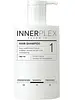 Key Ingredients
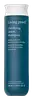
Benefits
Concerns
Ingredients Side-by-side
Water
Skin ConditioningSodium Lauroyl Methyl Isethionate
CleansingDisodium Laureth Sulfosuccinate
CleansingCocamidopropyl Hydroxysultaine
Cleansing
Sodium Methyl Cocoyl Taurate
Cleansing
Potassium Cocoyl Glycinate
Surfactant
Sodium Cocoyl Alaninate
Surfactant
Lauric Acid
Cleansing




Sodium Chloride
MaskingParfum
Masking


Glyceryl Stearate
Emollient
Trihydroxystearin
Skin Conditioning
Butylene Glycol
Humectant

PPG-7
Skin ConditioningMaleic Acid
BufferingArginine
Masking
Polyquaternium-10
Methylglucamine
Cetyl Alcohol
Emollient
Caprylic/Capric Triglyceride
Masking
Dicaprylyl Ether
Emollient
Citric Acid
Buffering

Caprylyl Glycol
Emollient
Sodium Salicylate
Preservative

Sodium Citrate
BufferingSodium Metaphosphate
BufferingLinalool
Perfuming
Ethylhexylglycerin
Skin ConditioningGlucosamine Hcl
Citronellol
Perfuming
Hexyl Cinnamal
Perfuming
Benzyl Salicylate
Perfuming
Limonene
Perfuming
Tetrasodium EDTA
ChelatingOleic Acid
Emollient
Dextrin
AbsorbentSimmondsia Chinensis Seed Oil
Emollient
Panax Ginseng Root Extract
Emollient

Hydroxypropyl Bispalmitamide Mea
Emollient
Tocopherol
Antioxidant



Cholesterol
Emollient
Stearic Acid
Cleansing
Linoleic Acid
Cleansing
Water, Sodium Lauroyl Methyl Isethionate, Disodium Laureth Sulfosuccinate, Cocamidopropyl Hydroxysultaine, Sodium Methyl Cocoyl Taurate, Potassium Cocoyl Glycinate, Sodium Cocoyl Alaninate, Lauric Acid, Sodium Chloride, Parfum, Glyceryl Stearate, Trihydroxystearin, Butylene Glycol, PPG-7, Maleic Acid, Arginine, Polyquaternium-10, Methylglucamine, Cetyl Alcohol, Caprylic/Capric Triglyceride, Dicaprylyl Ether, Citric Acid, Caprylyl Glycol, Sodium Salicylate, Sodium Citrate, Sodium Metaphosphate, Linalool, Ethylhexylglycerin, Glucosamine Hcl, Citronellol, Hexyl Cinnamal, Benzyl Salicylate, Limonene, Tetrasodium EDTA, Oleic Acid, Dextrin, Simmondsia Chinensis Seed Oil, Panax Ginseng Root Extract, Hydroxypropyl Bispalmitamide Mea, Tocopherol, Cholesterol, Stearic Acid, Linoleic Acid
Water
Skin ConditioningSodium Lauroyl Methyl Isethionate
CleansingCocamidopropyl Hydroxysultaine
Cleansing
Sodium Methyl Cocoyl Taurate
Cleansing
Decyl Glucoside
Cleansing
Cetearyl Alcohol
Emollient
Glyceryl Caprylate/Caprate
EmollientCetyl Alcohol
Emollient
Cetyl Stearate
Emollient
Charcoal Powder
Abrasive


Betaine
Humectant
Sodium Cocoyl Alaninate
Surfactant
Tetrasodium Glutamate Diacetate
ChelatingHydroxyphenyl Propamidobenzoic Acid
Skin ConditioningSodium Polystyrene Sulfonate
Emulsion StabilisingPEG-5 Ethylhexanoate
EmulsifyingGlyceryl Stearate
Emollient
Isostearyl Isostearate
Emollient
Stearic Acid
Cleansing
Potassium Cetyl Phosphate
EmulsifyingGlycerin
Humectant
Steareth-20
CleansingPEG-75 Stearate
Surfactant
Trideceth-9
EmulsifyingCeteth-20
CleansingAcrylates/C10-30 Alkyl Acrylate Crosspolymer
Emulsion StabilisingParfum
Masking
Sodium Hydroxide
BufferingPropanediol
Solvent
Ethylhexylglycerin
Skin ConditioningHydroxyacetophenone
Antioxidant
Linalool
Perfuming
Hexyl Cinnamal
Perfuming
Citronellol
Perfuming
Limonene
Perfuming
Water, Sodium Lauroyl Methyl Isethionate, Cocamidopropyl Hydroxysultaine, Sodium Methyl Cocoyl Taurate, Decyl Glucoside, Cetearyl Alcohol, Glyceryl Caprylate/Caprate, Cetyl Alcohol, Cetyl Stearate, Charcoal Powder, Betaine, Sodium Cocoyl Alaninate, Tetrasodium Glutamate Diacetate, Hydroxyphenyl Propamidobenzoic Acid, Sodium Polystyrene Sulfonate, PEG-5 Ethylhexanoate, Glyceryl Stearate, Isostearyl Isostearate, Stearic Acid, Potassium Cetyl Phosphate, Glycerin, Steareth-20, PEG-75 Stearate, Trideceth-9, Ceteth-20, Acrylates/C10-30 Alkyl Acrylate Crosspolymer, Parfum, Sodium Hydroxide, Propanediol, Ethylhexylglycerin, Hydroxyacetophenone, Linalool, Hexyl Cinnamal, Citronellol, Limonene
Reviews
Ingredients Explained
These ingredients are found in both products.
Ingredients higher up in an ingredient list are typically present in a larger amount.
Cetyl Alcohol is a fatty alcohol. Fatty Alcohols are most often used as an emollient or to thicken a product.
Its main roles are:
Though it has "alcohol" in the name, it is not related to denatured alcohol or ethyl alcohol.
The FDA allows products labeled "alcohol-free" to have fatty alcohols.
This ingredient may not be fungal acne safe. It is a primary fatty alcohol with a chain length above 12 carbons. A study from 2019 show Malassezia can feed on fatty alcohols in this range, so it may trigger fungal acne in those prone to it.
Learn more about Cetyl AlcoholCitronellol is used to add fragrance/parfum to a product. It is often derived from plants such as roses. In fact, it can be found in many essential oils including geranium, lavender, neroli, and more. The scent of Citronellol is often described as "fresh, grassy, and citrus-like".
Since the Citronellol molecule is already unstable, Citronellol becomes irritating on the skin when exposed to air.
Citronellol is a modified terpene. Terpenes are unsaturated hydrocarbons found in plants. They make up the primary part of essential oils.
Citronellol is not able to be absorbed into deeper layers of the skin. It has low permeability,
Citronellol is also a natural insect repellent.
Learn more about CitronellolCocamidopropyl Hydroxysultaine is a synthetic cleansing agent, though it is derived from coconut oil.
It is used to enhance the texture of products by boosting lather and thickening the texture. As a cleanser, Cocamidopropyl Hydroxysultaine is mild.
Ethylhexylglycerin is created from glycerin. It is a multitasker ingredient that:
The CIR Expert Panel found minimal skin absorption or sensitization of any kind in a safety assessment. Though this ingredient is considered well-tolerated, a small number of cases of allergic dermatitis have been published since 2002. Just be sure to patch test if you are unsure.
Industry-reported use ranges from 8% in rinse-off products and 2% in leave-on formulations.
Learn more about EthylhexylglycerinGlyceryl Stearate is made by reacting glycerin with stearic acid (typically sourced from plant oils like palm or coconut). It's an emulsifier, emollient, and mild occlusive.
Emulsifiers help ingredients like oil and water stay mixed so your formula stays nicely blended and uniform in texture.
This ingredient is typically used in concentrations between 1-10%. Studies have found it to be non-sensitizing, non-phototoxic, and non-photoallergenic.
A close cousin of this ingredient is Glyceryl Stearate SE ("self-emulsifying"). This just has a small amount of sodium or potassium stearate added so it can emulsify without a co-emulsifier.
Since this ingredient is an ester of a C18 fatty acid, it may not be fungal acne safe. The Malassezia yeast can potentially metabolize within the C11-C24 range.
Fun fact: The human body also creates Glyceryl Stearate naturally.
Learn more about Glyceryl StearateHexyl Cinnamal is a fragrance ingredient with a similar scent to jasmine. It can be naturally found in chamomile essential oil.
This ingredient is a known EU allergen and may sensitize the skin. The EU requires this ingredient to be listed separately on an ingredients list.
Hexyl Cinnamal is not water soluble but is soluble in oils.
Learn more about Hexyl CinnamalLimonene is the compound that gives citrus peel its smell.
In skincare, it shows up as a standalone fragrance ingredient or as a natural compound of citrus and other essential oils.
You'll typically see this ingredient used in very small amounts; anything above 0.001% in a leave-on product or 0.01% in a rinse-off has to be named on the label in the EU. The citrus oils that carry it sit around 0.5-1% in a finished formula.
Fresh limonene is a weak allergen; the real issue is that it slowly reacts with air and then breaks down from oxidation to create hydroperoxides (which are strong sensitizers). This is why suppliers are required to keep the peroxide value below 20 mmol.
Positive reactions in people being investigated for eczema vary:
It's worth skipping if you have a known fragrance allergy or a compromised barrier, but the risk is low for most people.
Older or long-opened products are also more likely to bother you than fresh ones due to oxidation.
Learn more about LimoneneLinalool is a small, naturally occurring scent molecule found in plants like lavender, coriander, bergamot, and more.
It is one of the two most-used fragrance ingredients in cosmetics and added purely for smell. Since it's not used for a skin benefit, there's no "effective dose". Concentration depends on the fragrance load of the product.
The EU requires it to be named on the label above 0.001% in leave-on and 0.01% in rinse-off products.
Fresh linalool is a weak sensitizer but air exposure turns some of it into hydroperoxides, which are strong sensitizers. Those oxidation products are the actual allergy concern.
Patch-test clinics see positive reactions to linalool hydroperoxides in about 4% to 12% of dermatitis patients depending on country and test concentration.
Resassuringly, one analytical study found hydroperoxide levels in real fragranced products to be orders of magnitude below what induced sensitization in animal studies with no evidence of oxidation building up during normal storage.
The practical takeaway is that linalool is fine for most people but worth avoiding if you have a confirmed fragrance contact allergy or a badly compromised barrier.
Products stored a long time after opening are also the high-risk scenario since that is when oxidation happens.
The scent of linalool is described as floral, spicy tropical, and citrus-like.
Learn more about LinaloolParfum is a catch-all term for an ingredient or more that is used to give a scent to products.
Also called "fragrance", this ingredient can be a blend of hundreds of chemicals or plant oils. This means every product with "fragrance" or "parfum" in the ingredients list is a different mixture.
For instance, Habanolide is a proprietary trade name for a specific aroma chemical. When used as a fragrance ingredient in cosmetics, most aroma chemicals fall under the broad labeling category of “FRAGRANCE” or “PARFUM” according to EU and US regulations.
The term 'parfum' or 'fragrance' is not regulated in many countries. In many cases, it is up to the brand to define this term.
For instance, many brands choose to label themselves as "fragrance-free" because they are not using synthetic fragrances. However, their products may still contain ingredients such as essential oils that are considered a fragrance by INCI standards.
One example is Calendula flower extract. Calendula is an essential oil that still imparts a scent or 'fragrance'.
Depending on the blend, the ingredients in the mixture can cause allergies and sensitivities on the skin. Some ingredients that are known EU allergens include linalool and citronellol.
Parfum can also be used to mask or cover an unpleasant scent.
The bottom line is: not all fragrances/parfum/ingredients are created equally. If you are worried about fragrances, we recommend taking a closer look at an ingredient. And of course, we always recommend speaking with a professional.
Learn more about ParfumThis ingredient is a surfactant and foam producer.
Sodium Lauroyl Methyl Isethionate is a gentle, sulfate-free cleansing agent. It's basically a mild "soap" molecule derived from coconut that makes a soft, cream foam and is very soluble in water.
Typical concentration use ranges from ~0.6-10% in rinse off products and only trace amounts (~0.009%) in leave on products.
The Cosmetic Ingredient Review Expert Panel has assessed it and concluded it to be safe as used at these concentrations when formulated to be non-irritating.
Allergy and sensitization risk is low and often when someone reacts to a cleanser it's due to the fragrance or preservatives rather than this ingredient itself.
Learn more about Sodium Lauroyl Methyl IsethionateSodium Methyl Cocoyl Taurate is a gentle, coconut-derived cleansing surfactant. It's most commonly found in "sulfate-free" cleansers.
As a taurate, it belongs to a class of anionic surfactants prized for being efficient at cleansing without harshness, good performance in hard water, stability across a wide pH range, and easily biodegradable.
It is able to lift away oil and grime and make a nice lather without stripping your skin, so it's a good pick for sensitive skin.
Safety-wise, it has a good record. The CIR Expert Panel has concluded this ingredient to be safe in cosmetics and concentrations go up to 11% in leave-on products or 13% in rinse-off products.
Despite being derived from coconut oil, this ingredient is fungal acne safe. It's a water-soluble surfactant with no fatty oils or esters left intact on skin for the Malassezia yeast to feed.
Learn more about Sodium Methyl Cocoyl TaurateStearic Acid is a fatty acid that is already found in your skin. It's one of the free fatty acids that works alongside ceramides and cholesterols to maintain your barrier.
In cosmetics, it is a multitasker:
Safety-wise, the CIR Expert Panel has concluded it to be safe in cosmetics when formulated to be non-irritating and non-sensitizing.
Free stearic acid is a C18 fatty acid that the Malassezia yeast can substrate, so this ingredient may not be fungal acne safe.
This ingredient does have a comedogenic rating of 2-3, but this doesn't mean a formula with this ingredient will clog pores.
Human testing has proved that any finished product with this ingredient won't automatically make you break out; it really comes down to concentration, formula, and your skin.
Learn more about Stearic AcidWater. It's the most common cosmetic ingredient of all. You'll usually see it at the top of ingredient lists, meaning that it makes up the largest part of the product.
So why is it so popular? Water most often acts as a solvent - this means that it helps dissolve other ingredients into the formulation.
You'll also recognize water as that liquid we all need to stay alive. If you see this, drink a glass of water. Remember to stay hydrated!
Learn more about Water

