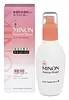
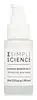
Minon Moist Charge Lotion II (Extra Moist) Versus Isomers Skincare Laboratories Ceramide Barrier Relief Protective Skin Cream
This moisturizer is formulated around Serine and Dipotassium Glycyrrhizate to hydrate skin.
This barrier-repair moisturizer is formulated around Calophyllum Inophyllum Seed Oil and Urea to strengthen the skin barrier and hydrate skin.


What's inside
What's inside
 Key Ingredients
Benefits
Concerns
Ingredients Side-by-side
Water
Skin ConditioningGlycerin
Humectant


Butylene Glycol
Humectant
Propanediol
Solvent
Methyl Gluceth-20
Humectant
PEG-75
HumectantSerine
Masking
Betaine
Humectant
Sodium Citrate
BufferingDipotassium Glycyrrhizate
Humectant
PEG-50 Hydrogenated Castor Oil Triisostearate
Emulsifying
Phytosteryl/Octyldodecyl Lauroyl Glutamate
Skin ConditioningPhenoxyethanol
Preservative
Arginine
Masking
Citric Acid
Buffering


PEG-60 Hydrogenated Castor Oil
Emulsifying
Tocopherol
Antioxidant



Sodium PCA
Humectant
Alanine
Masking
Lysine Hcl
Skin Conditioning
PCA Ethyl Cocoyl Arginate
Moisturising
Glycine
Buffering
Ceteth-20
CleansingThreonine
Valine
MaskingHistidine
Humectant
Proline
Skin Conditioning
Leucine
Skin ConditioningPentasodium Pentetate
ChelatingCarnosine
Skin Conditioning
Polyquaternium-61
Skin Conditioning1,2-Hexanediol
Skin Conditioning
Hydrogenated Lecithin
Emulsifying
Polyglyceryl-10 Laurate
Skin Conditioning
Sodium Hyaluronate
Humectant
Hydrolyzed Hyaluronic Acid
Humectant
Water, Glycerin, Butylene Glycol, Propanediol, Methyl Gluceth-20, PEG-75, Serine, Betaine, Sodium Citrate, Dipotassium Glycyrrhizate, PEG-50 Hydrogenated Castor Oil Triisostearate, Phytosteryl/Octyldodecyl Lauroyl Glutamate, Phenoxyethanol, Arginine, Citric Acid, PEG-60 Hydrogenated Castor Oil, Tocopherol, Sodium PCA, Alanine, Lysine Hcl, PCA Ethyl Cocoyl Arginate, Glycine, Ceteth-20, Threonine, Valine, Histidine, Proline, Leucine, Pentasodium Pentetate, Carnosine, Polyquaternium-61, 1,2-Hexanediol, Hydrogenated Lecithin, Polyglyceryl-10 Laurate, Sodium Hyaluronate, Hydrolyzed Hyaluronic Acid
Water
Skin ConditioningCalophyllum Inophyllum Seed Oil
Antimicrobial
Caprylic/Capric Triglyceride
Masking
C12-15 Alkyl Benzoate
AntimicrobialGlyceryl Stearate
Emollient
Cetearyl Alcohol
Emollient



Methyl Glucose Sesquistearate
Emollient
Urea
Buffering

Propanediol
Solvent
Glycerin
Humectant
Sodium Hyaluronate
Humectant
Dimethicone
Emollient
Saccharide Isomerate
Humectant
Sodium Phosphate
BufferingGlyceryl Caprylate
EmollientSodium PCA
Humectant
Oleyl Alcohol
Emollient

Glycine Soja Sterols
Emollient
Tocopherol
Antioxidant
Lactic Acid
Buffering


Betaine
Humectant
Sorbitol
Humectant
Serine
Masking
Glycine
Buffering
Glutamic Acid
Humectant
Alanine
Masking
Arginine
Masking
Threonine
Manganese PCA
HumectantProline
Skin Conditioning
Ceteareth-25
CleansingCetyl Alcohol
Emollient
Magnesium PCA
Humectant
Disodium Phosphate
BufferingCeramide EOP
Skin Conditioning
Zinc PCA
Humectant

Ceramide Eos
Skin Conditioning
Potassium Lactate
BufferingCeramide NP
Skin Conditioning
Lysine
Skin ConditioningCeramide Ns
Skin Conditioning
Dioscorea Villosa Root Extract
Skin Conditioning
Ceramide AP
Skin Conditioning
Caprooyl Phytosphingosine
Skin Conditioning
Caprooyl Sphingosine
Skin ConditioningHydroxyacetophenone
Antioxidant
Behenic Acid
Cleansing
Cholesterol
Emollient
Xanthan Gum
EmulsifyingWater, Calophyllum Inophyllum Seed Oil, Caprylic/Capric Triglyceride, C12-15 Alkyl Benzoate, Glyceryl Stearate, Cetearyl Alcohol, Methyl Glucose Sesquistearate, Urea, Propanediol, Glycerin, Sodium Hyaluronate, Dimethicone, Saccharide Isomerate, Sodium Phosphate, Glyceryl Caprylate, Sodium PCA, Oleyl Alcohol, Glycine Soja Sterols, Tocopherol, Lactic Acid, Betaine, Sorbitol, Serine, Glycine, Glutamic Acid, Alanine, Arginine, Threonine, Manganese PCA, Proline, Ceteareth-25, Cetyl Alcohol, Magnesium PCA, Disodium Phosphate, Ceramide EOP, Zinc PCA, Ceramide Eos, Potassium Lactate, Ceramide NP, Lysine, Ceramide Ns, Dioscorea Villosa Root Extract, Ceramide AP, Caprooyl Phytosphingosine, Caprooyl Sphingosine, Hydroxyacetophenone, Behenic Acid, Cholesterol, Xanthan Gum
Reviews
Ingredients Explained
These ingredients are found in both products.
Ingredients higher up in an ingredient list are typically present in a larger amount.
Alanine is an amino acid and is already found in the human body. Our skin uses alanine to build collagen, elastin, and keratin.
Arginine is a semi-essential amino acid. This just means our bodies can product a bit on its own, but sometimes needs a little boost from food sources.
It is a part of your skin's natural moisturizing factor (NMF), or the water-loving molecules in your outermost layer of skin (stratum corneum) that keeps everything hydrated and happy.
Here's an interesting thing about Arginine: your skin converts it into urea through the Krebs-Henseleit urea cycle. Urea is one of the most effective humectants your skin naturally produces.
A clinical study showed applying 2.5% arginine hydrochloride to atopic dermatitis skin showed significant urea levels in the stratum corneum and improved moisture in just four weeks.
Arginine is also a precursor to nitric oxide; nitric oxide improves microcirculation and supports wound healing and collagen synthesis.
One study found that an amino acid complex containing Arginine reduced skin irritation, improved hydration, and accelerated skin repair in clinical / in-vivo studies.
Arginine itself is an amino acid and not a fatty acid, oil, or ester. On its own, it's not a direct food source for Malassezia, or the yeast that causes fungal acne.
Learn more about ArginineBetaine is a humectant. Like hyaluronic acid, it helps attract and retain moisture in the skin. It’s known for being gentle and for helping the skin maintain balanced hydration.
Betaine is mainly used to improve hydration and support calmer skin. It helps skin cells regulate water balance because it functions as an osmolyte.
Some studies suggest betaine may support making skin tone more even.
Fun fact: Betaine naturally exists in the skin and the body. In cosmetic products, it can be either plant-derived (most commonly from sugar beets) or synthetically produced for consistency and stability.
Betaine is also known as trimethylglycine.
Learn more about BetaineGlycerin (or glycerol) is a compound naturally found in your skin. It's a powerhouse humectant that pulls water into the stratum corneum.
Topically, glycerin does several things at once:
Your skin makes glycerin on its own (mostly from sebaceous oil breakdown) and shuttles it to your outermost layer of skin, or your epidermis, via aquaporin-3.
Aquaporin-3 is a transporter that is essential for normal skin hydration, elasticity, and repair. Interestingly, mice lacking in AQP3 have dry and less elastic skin that can be fully corrected with glycerin.
This ingredient is non-irritating, plays well with almost every ingredient, and works across all skin types. Typical use is anywhere between 3-10% but can go up to 79% in some leave-on products.
Just know very high concentrations (>40%) can feel tacky in low humidity.
Glycerin is the name for this ingredient in American English. British English uses Glycerol/Glycerine.
Learn more about GlycerinGlycine is the smallest amino acid and a key building block of collagen. It's part if your skin's Natural Moisturizing Factor (NMF), or the water-loving molecules in your outermost layer of skin (stratum corneum) that keeps everything hydrated and happy.
A study from 2022 found that an amino acid complex featuring taurine, arginine, and glycine significantly reduced skin irritation, improved redness, and accelerated the skin repair process.
Proline is a non-essential amino acid, meaning your body can make it on its own. In skincare, it is a skin conditioning ingredient that keeps skin soft and hydrated.
It makes up about 23% of the collagen molecule (collagen is the protein responsible for keeping your skin firm) and is involved in your skin's natural hyaluronic acid production. When applied topically, proline can penetrate the skin fairly well due to its small molecular size.
Reviews of this ingredient have found it to be neither a dermal irritant nor a sensitizer.
Fun fact: Proline can be found in protein-rich foods like meat, fish, eggs, and dairy.
Learn more about ProlinePropanediol is an all-star ingredient. It softens, hydrates, and smooths the skin.
It’s often used to:
Propanediol is not likely to cause sensitivity and considered safe to use. It is derived from corn or petroleum with a clear color and no scent.
Learn more about PropanediolSerine is a non-essential amino acid (your body makes it on its own!). It is a major player in your skin's natural moisturizing factor (NMF), or the water-loving molecules in your outermost layer of skin (stratum corneum) that keeps everything hydrated and happy.
Serine is one of your NMF's most abundant components that works as a skin-identical humectant. Its hydroxyl group grabs onto water molecules to boost hydration without any heaviness or occlusion.
Research on a hydrogel with serine confirmed this serine got delivered to your stratum corneum and demonstrated enhanced skin moisturization.
Interestingly serine also helps your skin produce filaggrin, a protein that keeps your skin barrier strong and used to create collagen.
Learn more about SerineSodium Hyaluronate is the salt form of hyaluronic acid. It is a long sugar chain that is naturally found in your skin, joints, and connective tissue that maintains hydration and elasticity.
In skincare, it works as a humectant. It pulls water from the environment and deeper layers of skin and binds it to the surface.
Interestingly, the size of the molecule affects its behavior:
Some clinical evidence links low molecular weight versions to improved wrinkle depth, elasticity, anti-inflammatory effects, and barrier repair.
Many serums use a blend of both weights so you can get surface hydration plus longer-lasting and deeper effects.
You'll typically see concentrations between 0.1-2% for this ingredient.
Learn more about Sodium HyaluronateSodium PCA (the salt of PCA) is one of the most well-established humectants in skincare.
Why is it so special? Your skin already makes it naturally; it's a natural component of your skin's Natural Moisturizing Factor (NMF), or the mix of water-binding compounds inside your skin cells that keeps things soft and hydrated.
As a cosmetic ingredient, it grabs water and holds it in the upper layers of skin to smooth roughness and ease dehydration.
There's some clinical support for the NMF approach with a study showing that a cream built to mimic the skin's NMF significantly boosted hydration.
Safety-wise, this ingredient non-irritating, non-comedogenic, and non-phototoxic in testing, with minimal skin absorption.
It also works really well with other hydrators like glycerin or hyaluronic acid, and typical usage is somewhere between 0.2-4%.
Learn more about Sodium PCAThreonine is an amino-acid. It helps hydrate the skin and has antioxidant benefits.
Our skin uses threonine for creating collagen and elastin. Humans are not able to create threonine and must get it through eating foods such as fish, lentils, poultry, sesame seeds, and more.
Tocopherol is a fat-soluble antioxidant known as Vitamin E.
You'll find this ingredient in the vast majority of skincare (for good reason). It works to neutralize free radicals, or unstable molecules generated by UV exposure, pollution, and other environmental stressors, before they can cause oxidative damage to your skin cells.
Topically applied tocopherol has been shown to protect against UV damage by ramping up the skin's own natural defense enzymes.
It also acts as a skin conditioning agent; some studies show that regular topical use can improve the skin's water-binding capacity over 2-4 weeks.
This ingredient is especially loved for being a team player. When combined with Vitamin C, the photoprotective effect of both ingredients roughly doubles and the combo also helps reduce UV-induced DNA damage.
This ingredient has some brightening potential but it's more of a prevention ingredient than spot-fader. Cell studies show it can slow down melanin production but it's worth noting that it's not the most powerful brightener out there.
In formulations, it also serves as a stabilizer that helps protect other oxidation-prone ingredients from degrading.
Concentrations usually range from 0.1-1% in most leave-on products.
Learn more about TocopherolWater. It's the most common cosmetic ingredient of all. You'll usually see it at the top of ingredient lists, meaning that it makes up the largest part of the product.
So why is it so popular? Water most often acts as a solvent - this means that it helps dissolve other ingredients into the formulation.
You'll also recognize water as that liquid we all need to stay alive. If you see this, drink a glass of water. Remember to stay hydrated!
Learn more about Water

