
What's inside
What's inside
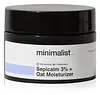 Key Ingredients
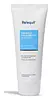
Benefits
Concerns
Ingredients Side-by-side
Water
Skin ConditioningAvena Sativa Kernel Extract
Abrasive





Squalane
Emollient
Glycerin
Humectant
Xylitylglucoside
Humectant
Anhydroxylitol
Humectant
Xylitol
Humectant
Sodium Cocoyl Amino Acids
Cleansing
Sarcosine
Skin Conditioning
Potassium Aspartate
Skin ConditioningMagnesium Aspartate
Skin ConditioningCaprylic/Capric Triglyceride
Masking
Panthenol
Skin Conditioning
Pentylene Glycol
Skin Conditioning
Avena Sativa Kernel Flour
Abrasive
Sodium Polyglutamate
HumectantUndecane
EmollientButyrospermum Parkii Butter
Skin Conditioning


Tocopheryl Acetate
Antioxidant

Arginine
Masking
Glycine
Buffering
Alanine
Masking
Histidine
Humectant
Sodium Lactate
Buffering
Arachidyl Alcohol
Emollient
Behenyl Alcohol
Emollient
Arachidyl Glucoside
EmulsifyingTridecane
Perfuming
Aluminum Starch Octenylsuccinate
Absorbent
Trehalose
Humectant
Polyacrylate Crosspolymer-6
Emulsion StabilisingPhenoxyethanol
Preservative
Ethylhexylglycerin
Skin ConditioningCitric Acid
Buffering

Trisodium Ethylenediamine Disuccinate
Water, Avena Sativa Kernel Extract, Squalane, Glycerin, Xylitylglucoside, Anhydroxylitol, Xylitol, Sodium Cocoyl Amino Acids, Sarcosine, Potassium Aspartate, Magnesium Aspartate, Caprylic/Capric Triglyceride, Panthenol, Pentylene Glycol, Avena Sativa Kernel Flour, Sodium Polyglutamate, Undecane, Butyrospermum Parkii Butter, Tocopheryl Acetate, Arginine, Glycine, Alanine, Histidine, Sodium Lactate, Arachidyl Alcohol, Behenyl Alcohol, Arachidyl Glucoside, Tridecane, Aluminum Starch Octenylsuccinate, Trehalose, Polyacrylate Crosspolymer-6, Phenoxyethanol, Ethylhexylglycerin, Citric Acid, Trisodium Ethylenediamine Disuccinate
Water
Skin ConditioningCaprylic/Capric Triglyceride
Masking
Myristyl Myristate
Emollient
Ethylhexyl Stearate
Emollient
Cetearyl Alcohol
Emollient
Propanediol
Solvent
Cetearyl Ethylhexanoate
Emollient
C14-22 Alcohols
Emulsion Stabilising
Mangifera Indica Seed Butter
Skin Conditioning
Arachidyl Alcohol
Emollient
C12-20 Alkyl Glucoside
EmulsifyingBehenyl Alcohol
Emollient
Octyldodecanol
Emollient
Squalane
Emollient
Arachidyl Glucoside
EmulsifyingDimethicone
Emollient
Saccharide Isomerate
Humectant
Panthenol
Skin Conditioning
Tocopheryl Acetate
Antioxidant
Ceramide NP
Skin Conditioning
Sodium Hyaluronate
Humectant
Sodium Hyaluronate Crosspolymer
Humectant
Borago Officinalis Seed Oil
Emollient
Simmondsia Chinensis Seed Oil
Emollient
Phenoxyethanol
Preservative
Allantoin
Skin Conditioning
Potassium Cetyl Phosphate
EmulsifyingCarbomer
Emulsion StabilisingTriethanolamine
BufferingEthylhexylglycerin
Skin ConditioningParfum
Masking

Water, Caprylic/Capric Triglyceride, Myristyl Myristate, Ethylhexyl Stearate, Cetearyl Alcohol, Propanediol, Cetearyl Ethylhexanoate, C14-22 Alcohols, Mangifera Indica Seed Butter, Arachidyl Alcohol, C12-20 Alkyl Glucoside, Behenyl Alcohol, Octyldodecanol, Squalane, Arachidyl Glucoside, Dimethicone, Saccharide Isomerate, Panthenol, Tocopheryl Acetate, Ceramide NP, Sodium Hyaluronate, Sodium Hyaluronate Crosspolymer, Borago Officinalis Seed Oil, Simmondsia Chinensis Seed Oil, Phenoxyethanol, Allantoin, Potassium Cetyl Phosphate, Carbomer, Triethanolamine, Ethylhexylglycerin, Parfum
Ingredients Explained
These ingredients are found in both products.
Ingredients higher up in an ingredient list are typically present in a larger amount.
Arachidyl Alcohol is a fatty alcohol made from the the arachidic acid found in peanut oil.
Despite having "alcohol" in the name, it is not related to denatured alcohol or ethanol.
This ingredient is a multitasker:
Just be sure to patch this ingredient if you have a peanut allergy (though this ingredient is highly processed and the allergenic proteins are typically removed).
Learn more about Arachidyl AlcoholThis ingredient is a plant-based surfactant and emulsifier. It helps oil and water based ingredients mix evenly to improve formula stability without adding a "greasy" feel.
Behenyl Alcohol is a type of fatty alcohol (these are different from the drying, solvent alcohols).
Fatty Alcohols have hydrating properties and are most often used as an emollient or to thicken a product. They are usually derived from natural fats and oils; behenyl alcohol is derived from the fats of vegetable oils.
Emollients help keep your skin soft and hydrated by creating a film that traps moisture in.
In 2000, Behenyl Alcohol was approved by the US as medicine to reduce the duration of cold sores.
Learn more about Behenyl AlcoholCaprylic/Capric Triglyceride (aka MCT Oil) is a lightweight emollient, solvent, and texture enhancer. It is considered a skin-softener by helping to prevent moisture loss.
Though it behaves like an oil, it is not technically one due to its chemical composition. One perk of this ingredient is that it is very stable, resistant to oxidation, and unlikely to go rancid.
In practice, that translates to a long shelf life and a consistently elegant skin feel.
While there is an assumption Caprylic Triglyceride can clog pores due to it being derived from coconut oil, there is no research supporting this. Just patch test if you have concerns.
Fractionated coconut oil and MCT Oil are both listed as Caprylic/Capric Triglyceride according to INCI. This is because INCI names are based on the ingredient’s final chemical composition and not its marketing name or source.
This ingredient is treated as the gold standard fungal acne safe oil. Even though it is coconut derived, the problematic lauric acid is stripped out.
This leaves just caprylic (C8) and capric (C10) acid. These chain lengths actually trend antifungal; a 2020 study found caprylic acid was enough to disrupt Malassezia furfur cell membrane, with a caprylic acid derivative damaging membrane structures at concentrations as low as 0.2%.
Learn more about Caprylic/Capric TriglycerideEthylhexylglycerin is created from glycerin. It is a multitasker ingredient that:
The CIR Expert Panel found minimal skin absorption or sensitization of any kind in a safety assessment. Though this ingredient is considered well-tolerated, a small number of cases of allergic dermatitis have been published since 2002. Just be sure to patch test if you are unsure.
Industry-reported use ranges from 8% in rinse-off products and 2% in leave-on formulations.
Learn more about EthylhexylglycerinPanthenol is a common ingredient that helps hydrate and soothe the skin. It is found naturally in our skin and hair.
There are two forms of panthenol: D and L.
D-panthenol is also known as dexpanthenol. Most cosmetics use dexpanthenol or a mixture of D and L-panthenol.
Panthenol is famous due to its ability to go deeper into the skin's layers. Using this ingredient has numerous pros (and no cons):
Like hyaluronic acid, panthenol is a humectant. Humectants are able to bind and hold large amounts of water to keep skin hydrated.
This ingredient works well for wound healing. It works by increasing tissue in the wound and helps close open wounds.
Once oxidized, panthenol converts to pantothenic acid. Panthothenic acid is found in all living cells.
This ingredient is also referred to as pro-vitamin B5.
Learn more about PanthenolPhenoxyethanol is a preservative that has germicide, antimicrobial, and aromatic properties. Studies show that phenoxyethanol can prevent microbial growth. By itself, it has a scent that is similar to that of a rose.
It's often used in formulations along with Caprylyl Glycol to preserve the shelf life of products.
Squalane is the hydrogenated and shelf-stable form of squalene (a lipid that naturally occurs in human sebum).
It is an emollient and skin conditioning agent that is able to integrate seamlessly into the skin's lipid barrier without clogging pores.
This is due to how structurally similar it is to what your skin already produces.
Though it is mostly an emollient that helps soften and hydrate skin, it also has some humectant and occlusive action. Humectants help the skin retain moisture while occlusives seal it in, making squalane a triple-threat moisturizer.
Research shows it has antioxidant capabilities that help protect against stressors like UV exposure, specifically UVA induced oxidative stress. This study also found that it supports collagen biosynthesis in human dermal fibroblasts.
No clinical study has reported significant adverse effects and irritation reactions are very rare from this ingredient (even at 100% concentration).
Overall, it's a fantastic ingredient for hydration and is suitable for all skin types.
This depends on the source. Squalane can be derived from both plants and animals. Most squalane used in skincare comes from plants.
Please note: the source of squalane is only known if disclosed by the brand. We recommend reaching out to the brand if you have any questions about their squalane.
Read more about squalene with an "e".
Though squalane is often called an oil, it’s technically not one. It is a hydrocarbon, meaning it is only made of carbon and hydrogen. True oils are triglycerides and made of fatty acids and glycerol.
The term “oil-free” isn’t regulated so companies can define it however they want. Some exclude all oils, while others just avoid mineral oil or comedogenic oils.
Squalane has a comedogenic rating of 1 from the original 1972 study that tested raw ingredients under occlusion on rabbit ears. This system is not standardized or peer-reviewed, and using the raw ingredients is very different from how diluted cosmetic formulations are used on human skin.
A comedogenic rating of 1 means it is "unlikely to clog pores" according to the original rating system.
The overall formula of a product matters more than the individual ingredients on whether or not it will cause clogged pores.
Learn more about SqualaneTocopheryl Acetate is AKA Vitamin E. It is an antioxidant and protects your skin from free radicals. Free radicals damage the skin by breaking down collagen.
One study found using Tocopheryl Acetate with Vitamin C decreased the number of sunburned cells.
Tocopheryl Acetate is commonly found in both skincare and dietary supplements.
Learn more about Tocopheryl AcetateWater. It's the most common cosmetic ingredient of all. You'll usually see it at the top of ingredient lists, meaning that it makes up the largest part of the product.
So why is it so popular? Water most often acts as a solvent - this means that it helps dissolve other ingredients into the formulation.
You'll also recognize water as that liquid we all need to stay alive. If you see this, drink a glass of water. Remember to stay hydrated!
Learn more about Water
