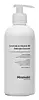
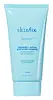
Minimalist Ceramide & Vitamin B5 Delicate Cleanser Versus Skinfix Barrier+ Ceramide + Ectoin Gentle Gel Cleanser
This mild gel cleanser is made to cleanse while respecting your skin barrier.
This mild gel cleanser is made to cleanse while respecting your skin barrier.


What's inside
What's inside
 Key Ingredients
Benefits
Concerns
Ingredients Side-by-side
Water
Skin ConditioningGlycerin
Humectant


Sodium Cocoyl Isethionate
Cleansing
Cocamidopropyl Hydroxysultaine
Cleansing
Sodium Lauroyl Methyl Isethionate
CleansingSodium Methyl Cocoyl Taurate
Cleansing
Cocamidopropyl Betaine
Cleansing


Sodium Methyl Oleoyl Taurate
CleansingLauryl Glucoside
CleansingCoco-Glucoside
Cleansing
Coconut Acid
Cleansing
Jojoba Oil/Macadamia Seed Oil Esters
Skin Conditioning
Sodium Chloride
MaskingSodium Isethionate
CleansingEctoin
Skin Conditioning



Squalene
Emollient
Oligopeptide-1
Skin Conditioning


Oligopeptide-2
Skin Conditioning
Oligopeptide-3
Skin Conditioning
Hexapeptide-11
Skin Conditioning
Ceramide EOP
Skin Conditioning
Propanediol
Solvent
Hydroxyectoin
Buffering
Niacinamide
Smoothing




Amylopectin
Bacillus
Skin ConditioningFolic Acid
Skin ConditioningSodium Hyaluronate
Humectant
Pentylene Glycol
Skin Conditioning
Inulin
Skin Conditioning
Phytosteryl Macadamiate
Skin Conditioning
Lecithin
Emollient
Acetyl Glutamine
Skin ConditioningChamomilla Recutita Flower Extract
Masking
Lithothamnion Calcareum Extract
Skin ConditioningLactic Acid
Buffering
Phytosterols
Skin Conditioning
Alpha-Glucan Oligosaccharide
Cleansing
Sodium Lauroyl Lactylate
EmulsifyingTocopherol
Antioxidant

Sodium Benzoate
Masking
Caprylyl Glycol
Emollient
Polyglutamic Acid
Skin Conditioning
Ceramide NP
Skin Conditioning
Ceramide AP
Skin Conditioning
Phytosphingosine
Skin Conditioning
Cholesterol
Emollient
Carbomer
Emulsion StabilisingCitric Acid
Buffering
Xanthan Gum
EmulsifyingPotassium Sorbate
Preservative
Ethylhexylglycerin
Skin ConditioningPhenoxyethanol
Preservative
Water, Glycerin, Sodium Cocoyl Isethionate, Cocamidopropyl Hydroxysultaine, Sodium Lauroyl Methyl Isethionate, Sodium Methyl Cocoyl Taurate, Cocamidopropyl Betaine, Sodium Methyl Oleoyl Taurate, Lauryl Glucoside, Coco-Glucoside, Coconut Acid, Jojoba Oil/Macadamia Seed Oil Esters, Sodium Chloride, Sodium Isethionate, Ectoin, Squalene, Oligopeptide-1, Oligopeptide-2, Oligopeptide-3, Hexapeptide-11, Ceramide EOP, Propanediol, Hydroxyectoin, Niacinamide, Amylopectin, Bacillus, Folic Acid, Sodium Hyaluronate, Pentylene Glycol, Inulin, Phytosteryl Macadamiate, Lecithin, Acetyl Glutamine, Chamomilla Recutita Flower Extract, Lithothamnion Calcareum Extract, Lactic Acid, Phytosterols, Alpha-Glucan Oligosaccharide, Sodium Lauroyl Lactylate, Tocopherol, Sodium Benzoate, Caprylyl Glycol, Polyglutamic Acid, Ceramide NP, Ceramide AP, Phytosphingosine, Cholesterol, Carbomer, Citric Acid, Xanthan Gum, Potassium Sorbate, Ethylhexylglycerin, Phenoxyethanol
Reviews
Ingredients Explained
These ingredients are found in both products.
Ingredients higher up in an ingredient list are typically present in a larger amount.
Caprylyl Glycol is a humectant, skin conditioner, emollient, and preservative booster derived from either caprylic acid or synthetically created.
Typical use levels vary from 0.3-1% as a preservative booster and go up to 2% to condition skin.
Because it is not a free-fatty acid, this ingredient is fungal acne safe (there's nothing for Malassezia to feed on).
Learn more about Caprylyl GlycolCeramide NP (formerly known as Ceramide 3) is one of the skin's naturally occurring lipids.
Since ceramides are the major lipid components of the skin, they are crucial for maintaining skin barrier and hydration. Ceramide NP most closely mirrors the dominant kind in human skin amongst ceramide subtypes.
This ceramide works by slotting into gaps within the stratum corneum's lipid matrix to limit trans-epidermal water loss (TEWL) and shield the skin against external irritants.
A study with 312 patients found that using a ceramide-containing routine for 4 weeks reduced the severity of atopic dermatitis by over 61%.
Another clinical study in subjects aged 60 and older found that a ceramide body wash and moisturizer improved skin dryness and itchy skin in 15 days.
Overall, ceramides are considered non-irritating and safety tests have found little to no observable adverse effects from using this ingredient.
Ceramide NP is usually sourced from plants (like soybean or rice bran), or produced synthetically.
Learn more about Ceramide NPCitric Acid is an alpha hydroxy acid (AHA) naturally found in citrus fruits like oranges, lemons, and limes.
Like other AHAs, citric acid can exfoliate skin by breaking down the bonds that hold dead skin cells together. This helps reveal smoother and brighter skin underneath.
However, this exfoliating effect only happens at high concentrations (20%) which can be hard to find in cosmetic products.
Due to this, citric acid is usually included in small amounts as a pH adjuster. This helps keep products slightly more acidic and compatible with skin's natural pH.
In skincare formulas, citric acid can:
While it can provide some skin benefits, research shows lactic acid and glycolic acid are generally more effective and less irritating exfoliants.
Most citric acid used in skincare today is made by fermenting sugars (usually from molasses). This synthetic version is identical to the natural citrus form but easier to stabilize and use in formulations.
Read more about some other popular AHA's here:
Learn more about Citric AcidEthylhexylglycerin is created from glycerin. It is a multitasker ingredient that:
The CIR Expert Panel found minimal skin absorption or sensitization of any kind in a safety assessment. Though this ingredient is considered well-tolerated, a small number of cases of allergic dermatitis have been published since 2002. Just be sure to patch test if you are unsure.
Industry-reported use ranges from 8% in rinse-off products and 2% in leave-on formulations.
Learn more about EthylhexylglycerinLauryl Glucoside sugar- and lipid-based cleansing agent. It is created from glucose and lauryl alcohol.
This ingredient is a surfactant, making it easier to rinse oil, dirt, and other pollutants away.
A British study found lauryl glucoside to cause skin sensitivity for some people. We recommend speaking with a professional if you have concerns.
Other names for this ingredient include "Lauryl Polyglucose", "Lauryl glycoside", and "D-Glucopyranoside".
Learn more about Lauryl GlucosideWater. It's the most common cosmetic ingredient of all. You'll usually see it at the top of ingredient lists, meaning that it makes up the largest part of the product.
So why is it so popular? Water most often acts as a solvent - this means that it helps dissolve other ingredients into the formulation.
You'll also recognize water as that liquid we all need to stay alive. If you see this, drink a glass of water. Remember to stay hydrated!
Learn more about WaterXanthan gum is used as a stabilizer and thickener within cosmetic products. It helps give products a sticky, thick feeling - preventing them from being too runny.
On the technical side of things, xanthan gum is a polysaccharide - a combination consisting of multiple sugar molecules bonded together.
Xanthan gum is a pretty common and great ingredient. It is a natural, non-toxic, non-irritating ingredient that is also commonly used in food products.
Learn more about Xanthan Gum


