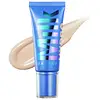
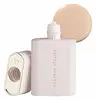
Milk Makeup Hydro Grip 12-Hour Hydrating Gel Skin Tint Versus Westman Atelier Vital Skincare Complexion Drops

What's inside
What's inside
 Key Ingredients
Benefits
Concerns
Ingredients Side-by-side
Water
Skin ConditioningIsononyl Isononanoate
EmollientPropanediol
Solvent

Isostearyl Neopentanoate
Emollient

Glycerin
Humectant
Octyldodecyl Stearoyl Stearate
Emollient

Polyglyceryl-2 Dipolyhydroxystearate
Skin Conditioning
Saccharomyces/Xylinum/Black Tea Ferment
Skin Conditioning
Hydrogenated Ethylhexyl Olivate
EmollientCoco-Caprylate/Caprate
Emollient
Dicaprylyl Ether
Emollient
Polyglyceryl-6 Polyricinoleate
Emulsifying
Squalane
Emollient
Polyglyceryl-3 Diisostearate
Emulsifying
Dimer Dilinoleyl Dimer Dilinoleate
EmollientPullulan
Niacinamide
Smoothing







Sodium Hyaluronate
Humectant
Cannabis Sativa Seed Oil
Emollient
Agave Tequilana Leaf Extract
AstringentButyrospermum Parkii Butter
Skin Conditioning
Helianthus Annuus Seed Oil
Emollient
Hydrogenated Olive Oil Unsaponifiables
Emollient
Tocopherol
Antioxidant

Pentaerythrityl Tetra-Di-T-Butyl Hydroxyhydrocinnamate
Antioxidant
Lecithin
Emollient
Dipalmitoyl Hydroxyproline
Skin Conditioning
Magnesium Sulfate
Disteardimonium Hectorite
StabilisingPropylene Carbonate
SolventHydrogenated Styrene/Methylstyrene/Indene Copolymer
Lauroyl Lysine
Skin Conditioning
Stearic Acid
Cleansing
Zinc Stearate
Cosmetic ColorantAllantoin
Skin Conditioning
Distarch Phosphate
AbsorbentPalmitic Acid
Emollient
Maltose
MaskingPotassium Sorbate
Preservative
Sodium Dehydroacetate
Preservative
Sodium Benzoate
Masking
Phenoxyethanol
Preservative
CI 77891
Cosmetic ColorantCI 77491
Cosmetic ColorantCI 77492
Cosmetic ColorantCI 77499
Cosmetic ColorantWater, Isononyl Isononanoate, Propanediol, Isostearyl Neopentanoate, Glycerin, Octyldodecyl Stearoyl Stearate, Polyglyceryl-2 Dipolyhydroxystearate, Saccharomyces/Xylinum/Black Tea Ferment, Hydrogenated Ethylhexyl Olivate, Coco-Caprylate/Caprate, Dicaprylyl Ether, Polyglyceryl-6 Polyricinoleate, Squalane, Polyglyceryl-3 Diisostearate, Dimer Dilinoleyl Dimer Dilinoleate, Pullulan, Niacinamide, Sodium Hyaluronate, Cannabis Sativa Seed Oil, Agave Tequilana Leaf Extract, Butyrospermum Parkii Butter, Helianthus Annuus Seed Oil, Hydrogenated Olive Oil Unsaponifiables, Tocopherol, Pentaerythrityl Tetra-Di-T-Butyl Hydroxyhydrocinnamate, Lecithin, Dipalmitoyl Hydroxyproline, Magnesium Sulfate, Disteardimonium Hectorite, Propylene Carbonate, Hydrogenated Styrene/Methylstyrene/Indene Copolymer, Lauroyl Lysine, Stearic Acid, Zinc Stearate, Allantoin, Distarch Phosphate, Palmitic Acid, Maltose, Potassium Sorbate, Sodium Dehydroacetate, Sodium Benzoate, Phenoxyethanol, CI 77891, CI 77491, CI 77492, CI 77499
Squalane
Emollient
Water
Skin ConditioningPersea Gratissima Oil
Skin Conditioning
Punica Granatum Seed Oil
Emollient
Mica
Cosmetic ColorantPentylene Glycol
Skin Conditioning
Camellia Japonica Seed Oil
Emollient
Polyglyceryl-3 Polyricinoleate
Emulsifying
Sorbitan Isostearate
Emulsifying
Propanediol
Solvent
Helianthus Annuus Seed Oil
Emollient
Panax Ginseng Root Extract
Emollient
Zingiber Officinale Root Extract
Masking
Oryza Sativa Extract
Absorbent
Oryza Sativa Germ Extract
EmollientBisabolol
Antioxidant
Disteardimonium Hectorite
StabilisingGlycine Soja Oil
Emollient
Gossypium Hirsutum Seed Oil
Skin Conditioning
Prunus Amygdalus Dulcis Oil
Skin Conditioning
Triticum Vulgare Germ Oil
Emollient
Zea Mays Germ Oil
Emollient
4-T-Butylcyclohexanol
Masking

Glyceryl Caprylate/Caprate
EmollientAluminum Hydroxide
EmollientPolyglyceryl-3 Diisostearate
Emulsifying
Dimer Dilinoleyl Dimer Dilinoleate
EmollientTin Oxide
Abrasive
Sodium Lauroyl Glutamate
SurfactantLysine
Skin ConditioningMagnesium Chloride
Tocopherol
Antioxidant
CI 77891
Cosmetic ColorantIron Oxides
CI 77491
Cosmetic ColorantCI 77492
Cosmetic ColorantCI 77499
Cosmetic ColorantSqualane, Water, Persea Gratissima Oil, Punica Granatum Seed Oil, Mica, Pentylene Glycol, Camellia Japonica Seed Oil, Polyglyceryl-3 Polyricinoleate, Sorbitan Isostearate, Propanediol, Helianthus Annuus Seed Oil, Panax Ginseng Root Extract, Zingiber Officinale Root Extract, Oryza Sativa Extract, Oryza Sativa Germ Extract, Bisabolol, Disteardimonium Hectorite, Glycine Soja Oil, Gossypium Hirsutum Seed Oil, Prunus Amygdalus Dulcis Oil, Triticum Vulgare Germ Oil, Zea Mays Germ Oil, 4-T-Butylcyclohexanol, Glyceryl Caprylate/Caprate, Aluminum Hydroxide, Polyglyceryl-3 Diisostearate, Dimer Dilinoleyl Dimer Dilinoleate, Tin Oxide, Sodium Lauroyl Glutamate, Lysine, Magnesium Chloride, Tocopherol, CI 77891, Iron Oxides, CI 77491, CI 77492, CI 77499
Reviews
Alternatives
Ingredients Explained
These ingredients are found in both products.
Ingredients higher up in an ingredient list are typically present in a larger amount.
Ci 77491 is also hydrated iron III oxide. It's sole purpose is to give a red/pink hue to products.
Iron III oxides are classified as inorganic chemicals for coloring.
Synthetically created Ci 77491 is considered safer than those naturally found. This is because the synthetically created version may contain less impurities. Iron oxides are generally non-toxic and non-allergenic.
Learn more about CI 77491CI 77492 is also hydrated iron III oxide. It's sole purpose is to give a yellow hue to products.
Iron III oxides are classified as inorganic chemicals for coloring.
Synthetically created CI 77492 is considered safer than those naturally found. This is because the synthetically created version may contain less impurities. Iron oxides are generally non-toxic and non-allergenic.
Learn more about CI 77492Ci 77499 is also hydrated iron III oxide. It is created from mixing red and black iron oxides. This helps give shades of darkness to a product.
Iron III oxides are classified as inorganic chemicals for coloring.
Ci 77891 is a white pigment from Titanium dioxide. It is naturally found in minerals such as rutile and ilmenite.
It's main function is to add a white color to cosmetics. It can also be mixed with other colors to create different shades.
Ci 77891 is commonly found in sunscreens due to its ability to block UV rays.
Learn more about CI 77891We don't have a description for Dimer Dilinoleyl Dimer Dilinoleate yet.
Disteardimonium Hectorite comes from the clay mineral named hectorite. It is used to add thickness to a product.
It can also help stabilize a product by helping to disperse other ingredients.
Hectorite is a rare, white clay mineral.
Learn more about Disteardimonium HectoriteHelianthus Annuus Seed Oil is a plant oil derived from the seeds of a sunflower.
It is rich in fatty acids, primarily linoleic acid and oleic acid. This gives it emollient and skin conditioning properties.
The reason this ingredient is so effective is because it forms a thin film on the skin that reduces transepidermal water loss (TEWL) while supplying linoleic acid to the stratum corneum to improve barrier strength.
The high linoleic acid content is particularly noteworthy for acne-prone skin.
Research suggests that acne-prone skin tends to be deficient in linoleic acid in sebum. Topical application may help replenish this to support a healthier follicular environment and less comedone-promoting sebum.
One randomized study found sunflower seed oil preserved skin barrier integrity in adult volunteers with and without atopic dermatitis (outperforming olive oil).
This ingredient is well-studied, gentle, and an effective emollient suitable for most skin types.
On fungal acne: This ingredient may not be Fungal acne (Malassezia folliculitis) safe. This is because it contains fatty acids with carbon chain lengths in the C11-C24 range.
Learn more about Helianthus Annuus Seed OilPolyglyceryl-3 Diisostearate is a plant-derived, oil-soluble emulsifier. It keeps water-in-oil emulsions stable to prevent the ingredients from separating.
On the safety front, it's considered non-irritating and well-tolerated (it can even be found in formulations for baby skin).
This ingredient may not be fungal acne safe because research has shown that the Malassezia species can grow in the presence of fatty acid esters with chain lengths above C12 (and this one is C18).
While it does have a comedogenic rating of 4, the comedogenic rating scale was developed from rabbit ear models which has limited clinical relevance to human skin. Studies also show that comedogenic ingredients cannot predict how the overall formula will behave on human skin.
Learn more about Polyglyceryl-3 DiisostearatePropanediol is an all-star ingredient. It softens, hydrates, and smooths the skin.
It’s often used to:
Propanediol is not likely to cause sensitivity and considered safe to use. It is derived from corn or petroleum with a clear color and no scent.
Learn more about PropanediolSqualane is the hydrogenated and shelf-stable form of squalene (a lipid that naturally occurs in human sebum).
It is an emollient and skin conditioning agent that is able to integrate seamlessly into the skin's lipid barrier without clogging pores.
This is due to how structurally similar it is to what your skin already produces.
Though it is mostly an emollient that helps soften and hydrate skin, it also has some humectant and occlusive action. Humectants help the skin retain moisture while occlusives seal it in, making squalane a triple-threat moisturizer.
Research shows it has antioxidant capabilities that help protect against stressors like UV exposure, specifically UVA induced oxidative stress. This study also found that it supports collagen biosynthesis in human dermal fibroblasts.
No clinical study has reported significant adverse effects and irritation reactions are very rare from this ingredient (even at 100% concentration).
Overall, it's a fantastic ingredient for hydration and is suitable for all skin types.
This depends on the source. Squalane can be derived from both plants and animals. Most squalane used in skincare comes from plants.
Please note: the source of squalane is only known if disclosed by the brand. We recommend reaching out to the brand if you have any questions about their squalane.
Read more about squalene with an "e".
Though squalane is often called an oil, it’s technically not one. It is a hydrocarbon, meaning it is only made of carbon and hydrogen. True oils are triglycerides and made of fatty acids and glycerol.
The term “oil-free” isn’t regulated so companies can define it however they want. Some exclude all oils, while others just avoid mineral oil or comedogenic oils.
Squalane has a comedogenic rating of 1 from the original 1972 study that tested raw ingredients under occlusion on rabbit ears. This system is not standardized or peer-reviewed, and using the raw ingredients is very different from how diluted cosmetic formulations are used on human skin.
A comedogenic rating of 1 means it is "unlikely to clog pores" according to the original rating system.
The overall formula of a product matters more than the individual ingredients on whether or not it will cause clogged pores.
Learn more about SqualaneTocopherol is a fat-soluble antioxidant known as Vitamin E.
You'll find this ingredient in the vast majority of skincare (for good reason). It works to neutralize free radicals, or unstable molecules generated by UV exposure, pollution, and other environmental stressors, before they can cause oxidative damage to your skin cells.
Topically applied tocopherol has been shown to protect against UV damage by ramping up the skin's own natural defense enzymes.
It also acts as a skin conditioning agent; some studies show that regular topical use can improve the skin's water-binding capacity over 2-4 weeks.
This ingredient is especially loved for being a team player. When combined with Vitamin C, the photoprotective effect of both ingredients roughly doubles and the combo also helps reduce UV-induced DNA damage.
This ingredient has some brightening potential but it's more of a prevention ingredient than spot-fader. Cell studies show it can slow down melanin production but it's worth noting that it's not the most powerful brightener out there.
In formulations, it also serves as a stabilizer that helps protect other oxidation-prone ingredients from degrading.
Concentrations usually range from 0.1-1% in most leave-on products.
Learn more about TocopherolWater. It's the most common cosmetic ingredient of all. You'll usually see it at the top of ingredient lists, meaning that it makes up the largest part of the product.
So why is it so popular? Water most often acts as a solvent - this means that it helps dissolve other ingredients into the formulation.
You'll also recognize water as that liquid we all need to stay alive. If you see this, drink a glass of water. Remember to stay hydrated!
Learn more about Water

