
What's inside
What's inside
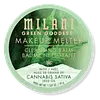 Key Ingredients
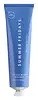
Benefits
Concerns
Ingredients Side-by-side
Ethylhexyl Palmitate
Emollient


Carthamus Tinctorius Seed Oil
Masking

Caprylic/Capric Triglyceride
Masking

Sorbeth-30 Tetraoleate
Emulsifying
Polyethylene
Abrasive
PEG-5 Glyceryl Triisostearate
Emollient
Cannabis Sativa Seed Oil
Emollient
Parfum
Masking



Diisostearyl Malate
EmollientPhenoxyethanol
Preservative
Tocopherol
Antioxidant





Sorbitan Sesquiisostearate
Emulsifying
Butyrospermum Parkii Butter
Skin Conditioning
Squalane
Emollient
Triethoxycaprylylsilane

Aluminum Hydroxide
EmollientCI 42090
Cosmetic ColorantCI 19140
Cosmetic ColorantCI 77891
Cosmetic ColorantEthylhexyl Palmitate, Carthamus Tinctorius Seed Oil, Caprylic/Capric Triglyceride, Sorbeth-30 Tetraoleate, Polyethylene, PEG-5 Glyceryl Triisostearate, Cannabis Sativa Seed Oil, Parfum, Diisostearyl Malate, Phenoxyethanol, Tocopherol, Sorbitan Sesquiisostearate, Butyrospermum Parkii Butter, Squalane, Triethoxycaprylylsilane, Aluminum Hydroxide, CI 42090, CI 19140, CI 77891
Water
Skin ConditioningCaprylic/Capric Triglyceride
Masking
Diheptyl Succinate
EmollientButyrospermum Parkii Butter
Skin Conditioning
Cetearyl Alcohol
Emollient
Hydroxyethyl Acrylate/Sodium Acryloyldimethyl Taurate Copolymer
Emulsion StabilisingNiacinamide
Smoothing






Pentylene Glycol
Skin Conditioning
Glycerin
Humectant
Sorbitan Stearate
Emulsifying
Glyceryl Stearate
Emollient
Sodium Hyaluronate
Humectant
Ceramide EOP
Skin Conditioning
Ceramide NP
Skin Conditioning
Ceramide AP
Skin Conditioning
Aminopropyl Ascorbyl Phosphate
Antioxidant
Allantoin
Skin Conditioning
Bisabolol
Antioxidant
Panthenol
Skin Conditioning
Physalis Angulata Extract
Skin ProtectingCastanea Sativa Seed Extract
Skin ConditioningTocopheryl Acetate
Antioxidant
Phytosphingosine
Skin Conditioning
Capryloyl Glycerin/Sebacic Acid Copolymer
Skin ConditioningEthylhexylglycerin
Skin ConditioningTetrasodium Glutamate Diacetate
Cucumis Sativus Fruit Extract
Emollient
Cholesterol
Emollient
Sodium Lauroyl Lactylate
EmulsifyingCarbomer
Emulsion StabilisingXanthan Gum
EmulsifyingPEG-100 Stearate
Phenoxyethanol
Preservative
Water, Caprylic/Capric Triglyceride, Diheptyl Succinate, Butyrospermum Parkii Butter, Cetearyl Alcohol, Hydroxyethyl Acrylate/Sodium Acryloyldimethyl Taurate Copolymer, Niacinamide, Pentylene Glycol, Glycerin, Sorbitan Stearate, Glyceryl Stearate, Sodium Hyaluronate, Ceramide EOP, Ceramide NP, Ceramide AP, Aminopropyl Ascorbyl Phosphate, Allantoin, Bisabolol, Panthenol, Physalis Angulata Extract, Castanea Sativa Seed Extract, Tocopheryl Acetate, Phytosphingosine, Capryloyl Glycerin/Sebacic Acid Copolymer, Ethylhexylglycerin, Tetrasodium Glutamate Diacetate, Cucumis Sativus Fruit Extract, Cholesterol, Sodium Lauroyl Lactylate, Carbomer, Xanthan Gum, PEG-100 Stearate, Phenoxyethanol
Reviews
Ingredients Explained
These ingredients are found in both products.
Ingredients higher up in an ingredient list are typically present in a larger amount.
This ingredient is also known as shea butter. It is a plant-derived extract from the nuts of the Africa shea tree and one of the most well-studied emollients.
Because it has a high concentration of fatty acids (primarily oleic, stearic, and linoleic) it is able to form a protective barrier on the skin's surface. This helps seal in moisture and prevents transepidermal water loss (TEWL).
In vitro research found an increase in skin hydration by 58% and a decrease in TEWL by 37.8% after 24 hours of applying this ingredient (pretty impressive for a single ingredient!).
Besides hydration, shea butter also contains triterpenes that have anti-inflammatory potential. In particule, lupeol cinnamate has shown the highest anti-inflammatory activity in vivo.
Shea butter also contains vitamins A and E which may contribute to antioxidant activity.
While Shea Butter has an SPF rating of about 3-4, it is not a sunscreen replacement.
This ingredient may not be fungal acne safe because its fatty acids fall within the C11-C24 range that the Malassezia yeast can metabolize.
Learn more about Butyrospermum Parkii ButterThis ingredient is a lightweight emollient, solvent, and texture enhancer. It is considered a skin-softener by helping the skin prevent moisture loss.
It helps thicken a product's formula and makes it easier to spread by dissolving clumping compounds.
Caprylic Triglyceride is made by combining glycerin with coconut oil, forming a clear liquid. Though it behaves like an oil, it is not technically one due to its chemical composition. It is very stable, resistant to oxidation, and unlikely to go rancid. In practice, that translates to a long shelf life and a consistently elegant skin feel.
While there is an assumption Caprylic Triglyceride can clog pores due to it being derived from coconut oil, there is no research supporting this. Be sure to patch test if you have concerns.
Fractionated coconut oil and MCT Oil are both listed as Caprylic/Capric Triglyceride according to INCI. This is because INCI names are based on the ingredient’s final chemical composition and not its marketing name or source.
Learn more about Caprylic/Capric TriglyceridePhenoxyethanol is a preservative that has germicide, antimicrobial, and aromatic properties. Studies show that phenoxyethanol can prevent microbial growth. By itself, it has a scent that is similar to that of a rose.
It's often used in formulations along with Caprylyl Glycol to preserve the shelf life of products.

