
What's inside
What's inside
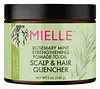 Key Ingredients
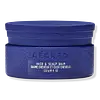
No key ingredients
Benefits
Concerns
Ingredients Side-by-side
Prunus Amygdalus Dulcis Oil
Skin Conditioning





Carthamus Tinctorius Seed Oil
Masking
Cera Alba
Emollient
Zea Mays Oil
Emulsifying
Theobroma Cacao Seed Butter
Emollient
Rosmarinus Officinalis Leaf Oil
Masking
Mentha Piperita Oil
Masking



Argania Spinosa Kernel Oil
Emollient



Orbignya Oleifera Seed Oil
Emollient
Moringa Oleifera Seed Oil
Emollient
Vitis Vinifera Seed Oil
Emollient
Schinziophyton Rautanenii Kernel Oil
Emollient
Biotin
AntiseborrhoeicOenothera Biennis Oil
Emollient
Plukenetia Volubilis Seed Oil
Emollient
Parfum
Masking
Prunus Amygdalus Dulcis Oil, Carthamus Tinctorius Seed Oil, Cera Alba, Zea Mays Oil, Theobroma Cacao Seed Butter, Rosmarinus Officinalis Leaf Oil, Mentha Piperita Oil, Argania Spinosa Kernel Oil, Orbignya Oleifera Seed Oil, Moringa Oleifera Seed Oil, Vitis Vinifera Seed Oil, Schinziophyton Rautanenii Kernel Oil, Biotin, Oenothera Biennis Oil, Plukenetia Volubilis Seed Oil, Parfum
Carthamus Tinctorius Seed Oil
Masking
Cocos Nucifera Oil
Masking
Cera Microcristallina
Emulsion StabilisingC12-18 Alkanoyl Glycerin/Sebacic Acid Copolymer
Helianthus Annuus Seed Wax
Skin Conditioning
Mel
EmollientCeramide NP
Skin Conditioning

Adansonia Digitata Seed Oil
Emollient
Moringa Oleifera Seed Oil
Emollient
Nigella Sativa Seed Oil
Emollient
Crambe Abyssinica Seed Oil
Skin Conditioning
Mentha Piperita Oil
Masking
Lactobacillus/Salix Purpurea Bark Ferment Extract
AntiseborrhoeicRosmarinus Officinalis Leaf Oil
Masking
Solidago Canadensis Flower/Leaf/Stem Oil
Masking
Hydrastis Canadensis Root Extract
MaskingEucalyptus Globulus Leaf Oil
Perfuming
Eugenia Caryophyllus Bud Oil
Masking
Melaleuca Alternifolia Leaf Oil
Antioxidant

Taraxacum Officinale Extract
Skin ConditioningSerenoa Serrulata Fruit Extract
Skin Conditioning
Ricinus Communis Seed Oil
Masking
Argania Spinosa Kernel Oil
Emollient
Olea Europaea Fruit Oil
Masking
Lavandula Oil/Extract
Cupressus Sempervirens Branch/Leaf Oil
Masking
Glycine Soja Oil
Emollient
Bisabolol
Antioxidant
Tocopherol
Antioxidant

Glycerin
Humectant
Phytosphingosine
Skin Conditioning
Citrus Aurantium Peel Oil
Parfum
Masking
Hydrogenated Lecithin
Emulsifying
Limonene
Perfuming
Linalool
Perfuming
Coumarin
Perfuming
Citronellol
Perfuming
Alpha-Isomethyl Ionone
Perfuming
Hydroxycitronellal
Perfuming
Benzyl Salicylate
Perfuming
Linalyl Acetate
Masking
Pogostemon Cablin Leaf Oil
Masking
Tetramethyl Acetyloctahydronaphthalenes
Masking
3-Methyl-5-(2,2,3-Trimethyl-3-Cyclopentenyl)Pent-4-En-2-Ol
Perfuming
Vanillin
Masking
Carthamus Tinctorius Seed Oil, Cocos Nucifera Oil, Cera Microcristallina, C12-18 Alkanoyl Glycerin/Sebacic Acid Copolymer, Helianthus Annuus Seed Wax, Mel, Ceramide NP, Adansonia Digitata Seed Oil, Moringa Oleifera Seed Oil, Nigella Sativa Seed Oil, Crambe Abyssinica Seed Oil, Mentha Piperita Oil, Lactobacillus/Salix Purpurea Bark Ferment Extract, Rosmarinus Officinalis Leaf Oil, Solidago Canadensis Flower/Leaf/Stem Oil, Hydrastis Canadensis Root Extract, Eucalyptus Globulus Leaf Oil, Eugenia Caryophyllus Bud Oil, Melaleuca Alternifolia Leaf Oil, Taraxacum Officinale Extract, Serenoa Serrulata Fruit Extract, Ricinus Communis Seed Oil, Argania Spinosa Kernel Oil, Olea Europaea Fruit Oil, Lavandula Oil/Extract, Cupressus Sempervirens Branch/Leaf Oil, Glycine Soja Oil, Bisabolol, Tocopherol, Glycerin, Phytosphingosine, Citrus Aurantium Peel Oil, Parfum, Hydrogenated Lecithin, Limonene, Linalool, Coumarin, Citronellol, Alpha-Isomethyl Ionone, Hydroxycitronellal, Benzyl Salicylate, Linalyl Acetate, Pogostemon Cablin Leaf Oil, Tetramethyl Acetyloctahydronaphthalenes, 3-Methyl-5-(2,2,3-Trimethyl-3-Cyclopentenyl)Pent-4-En-2-Ol, Vanillin
Ingredients Explained
These ingredients are found in both products.
Ingredients higher up in an ingredient list are typically present in a larger amount.
You may know this ingredient as argan oil. It has emollient and skin conditioning properties that help soften skin and reinforce the lipid barrier.
The fatty acid profile of argan oil is roughly 45-55% oleic acid, 28-36% linoleic acid, 10-15% palmitic acid, and 5-7% stearic acid. It also contains vitamin E, sterols, squalene, and polyphenols like ferulic acid.
Two clinical studies in postmenopausal women found that applying argan oil for 60 days significantly improved skin elasticity and moisturization (reduced transepidermal water loss and increased epidermal water content).
Since it is high in oleic and linoleic acid, this ingredient may not be fungal acne safe. Both of these fall in the C11-C24 range that Malassezia yeast can metabolize.
Learn more about Argania Spinosa Kernel OilCarthamus Tinctorius Seed Oil comes from the seeds of the safflower plant. It is a skin conditioning agent that helps soften skin and keep it hydrated.
This seed oil has an unusual fatty acid profile: it is one of the highest linoleic acid plant oils out there (~55-77%). It also has low amounts of oleic acid, and this high-linoleic/low-oleic ratio gets people excited.
Linoleic acid helps maintain skin barrier integrity and is a building block for the ceramides in your stratum corneum. Notably, people with acne tend to have lower linoleic acid in their skin lipids as well (and this gets worse as acne gets more severe).
Overall, it's a lightweight, fast-absorbing oil that has a long safety track record. Lab testing has found it to be non-irritating for skin or eyes.
The Malassezia yeast can metabolize the fatty acids in this oil to grow; therefore this ingredient may not be fungal acne safe.
Learn more about Carthamus Tinctorius Seed OilThis essential oil is steam-distilled from peppermint leaves, also known as peppermint oil. It's mainly used for scent in skincare but also provides that signature "cooling" sensation.
Peppermint oil is a "feels amazing" ingredient until it doesn't.
At higher doses or for those with sensitive skin, methol-type cooling can quickly turn into burning/irritation. It can also trigger irritant dermatitis or even allergic contact dermatitis. In a large patch-test dataset, peppermint oil had a low but positive rate for this.
In cosmetics, Cosmetic Safety Reviews (CIR) concludes that peppermint oil is safe to use when formulated to be non-sensitizing with some restrictions; for instance, pulegone, a naturally occurring component of peppermint oil, should not exceed 1%.
Since peppermint oil contains fragrance allergens such as limonene, linalool, and menthol, it can be sensitizing for those with rosacea, eczema, a broken skin barrier, or just sensitive skin in general.
In Japan, this ingredient is known as Hakka Yu.
Learn more about Mentha Piperita OilMoringa Oleifera Seed Oil is a lightweight oil from the seeds of the Moringa oleifera tree. In cosmetics, it's an emollient that forms a light film to slow water loss and soften skin.
Its fatty acid composition is dominated by oleic acid (70-78%), with smaller amounts of behenic, palmitic, and stearic acids (this profile is actually pretty similar to olive oil).
Notably, this ingredient is oxidatively stable for an oil and resists going rancid as fast as other oils.
A small, in vivo study on 32 participants found a cream with this ingredient increased skin hydration with no reported skin irritation. It also found the tocopherol content gave it some antioxidant activity as well.
Because this oil is so high in oleic acid, Malassezia can use it as a food source and this ingredient may not be fungal acne safe.
For everyone else, this ingredient is well-tolerated and nourishing with a good safety track record.
This ingredient shows up on a lot of "pore-clogging" lists but there's no real evidence behind that. It doesn't even have a comedogenic rating from an actual study; the numbers you'll find online come from blogs citing other blogs.
Ratings for other ingredients mostly come from a 1980s rabbit ear test. This test doesn't translate well to human skin or to real products because the ingredient sits at a much lower percentage.
Some people still find it breaks them out. So if that's you, definitely trust your skin.
Learn more about Moringa Oleifera Seed OilParfum is a catch-all term for an ingredient or more that is used to give a scent to products.
Also called "fragrance", this ingredient can be a blend of hundreds of chemicals or plant oils. This means every product with "fragrance" or "parfum" in the ingredients list is a different mixture.
For instance, Habanolide is a proprietary trade name for a specific aroma chemical. When used as a fragrance ingredient in cosmetics, most aroma chemicals fall under the broad labeling category of “FRAGRANCE” or “PARFUM” according to EU and US regulations.
The term 'parfum' or 'fragrance' is not regulated in many countries. In many cases, it is up to the brand to define this term.
For instance, many brands choose to label themselves as "fragrance-free" because they are not using synthetic fragrances. However, their products may still contain ingredients such as essential oils that are considered a fragrance by INCI standards.
One example is Calendula flower extract. Calendula is an essential oil that still imparts a scent or 'fragrance'.
Depending on the blend, the ingredients in the mixture can cause allergies and sensitivities on the skin. Some ingredients that are known EU allergens include linalool and citronellol.
Parfum can also be used to mask or cover an unpleasant scent.
The bottom line is: not all fragrances/parfum/ingredients are created equally. If you are worried about fragrances, we recommend taking a closer look at an ingredient. And of course, we always recommend speaking with a professional.
Learn more about ParfumRosmarinus Officinalis Leaf Oil is an essential oil also known as rosemary essential oil. In skincare, it is a skin conditioning agent and also acts as a natural fragrance that gives products a fresh/herby smell.
The oil is a mix of over 100 volatile compounds with 1,8-cineole, α-pinene, camphor, and verbenone usually leading the pack.
Lab studies credit this oil with antioxidant, anti-inflammatory, and antimicrobial activity. Some research even show rosemary compounds calming acne-related inflammation.
The Cosmetic Ingredient Review (CIR) has concluded rosemary-derived ingredients to be safe when formulated to be nonsensitizing.
Since this is a fragrant essential oil, the main concern is for fragrance-sensitive folks.
Learn more about Rosmarinus Officinalis Leaf Oil

