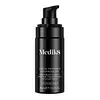
This anti-aging serum is formulated around Palmitoyl Tripeptide-38 and Palmitoyl Tripeptide-5 to soften the look of wrinkles and refine skin texture.
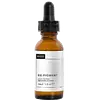
This brightening serum is formulated around Potassium Azeloyl Diglycinate to fade the look of dark spots.


What's inside
What's inside
 Key Ingredients
Benefits
Concerns
Ingredients Side-by-side
Water
Skin ConditioningGlycerin
Humectant


Dimethicone
Emollient
Dimethyl Isosorbide
SolventButylene Glycol
Humectant
Undecane
EmollientArginine
Masking
Inulin
Skin Conditioning
Microcrystalline Cellulose
AbsorbentCeteareth-20
Cleansing

Tridecane
Perfuming

Tocopherol
Antioxidant





Hydroxyacetophenone
Antioxidant
Sodium Hyaluronate
Humectant
Palmitoyl Tripeptide-38
Skin Conditioning

Panthenol
Skin Conditioning
Caprylic/Capric Triglyceride
Masking
Palmitoyl Tripeptide-5
Skin Conditioning
Polyacrylate Crosspolymer-6
Emulsion StabilisingPalmitoyl Tripeptide-1
Skin Conditioning
Pullulan
Tetrapeptide-21
Skin Conditioning
Palmitoyl Tetrapeptide-10
Skin Conditioning
Palmitoyl Tetrapeptide-7
Skin Conditioning
Ammonium Polyacryloyldimethyl Taurate
Emulsion StabilisingGlyceryl Linoleate
Emollient

Acetyl Hexapeptide-8
Humectant
Pentapeptide-18
Skin Conditioning
Oligopeptide-1
Skin Conditioning
Arginine/Lysine Polypeptide
Skin Conditioning
Sucrose Palmitate
EmollientCetyl Palmitate
Emollient
Phenoxyethanol
Preservative
Ethylhexylglycerin
Skin ConditioningCarbomer
Emulsion StabilisingCopper Palmitoyl Heptapeptide-14
Skin Conditioning
Heptapeptide-15 Palmitate
Skin Conditioning
Benzotriazolyl Dodecyl P-Cresol
UV AbsorberPolysorbate 80
Emulsifying
Sorbitan Stearate
Emulsifying
Polysorbate 20
Emulsifying
Carnosine
Skin Conditioning
Sodium Metabisulfite
Antioxidant
Dunaliella Salina Extract
Skin ConditioningHelianthus Annuus Seed Oil
Emollient
Hydroxypropyl Cyclodextrin
MaskingDimethicone/Vinyl Dimethicone Crosspolymer
Skin Conditioning
Sodium Benzoate
Masking
Hydrogenated Lecithin
Emulsifying
Caprylyl Glycol
Emollient
Pantolactone
Humectant
Xanthan Gum
EmulsifyingDisodium EDTA
T-Butyl Alcohol
Perfuming

Potassium Sorbate
Preservative
Citric Acid
Buffering
Glyceryl Caprylate
EmollientLactic Acid/Glycolic Acid Copolymer
Skin ConditioningPolyvinyl Alcohol
Phenylpropanol
Masking
Water, Glycerin, Dimethicone, Dimethyl Isosorbide, Butylene Glycol, Undecane, Arginine, Inulin, Microcrystalline Cellulose, Ceteareth-20, Tridecane, Tocopherol, Hydroxyacetophenone, Sodium Hyaluronate, Palmitoyl Tripeptide-38, Panthenol, Caprylic/Capric Triglyceride, Palmitoyl Tripeptide-5, Polyacrylate Crosspolymer-6, Palmitoyl Tripeptide-1, Pullulan, Tetrapeptide-21, Palmitoyl Tetrapeptide-10, Palmitoyl Tetrapeptide-7, Ammonium Polyacryloyldimethyl Taurate, Glyceryl Linoleate, Acetyl Hexapeptide-8, Pentapeptide-18, Oligopeptide-1, Arginine/Lysine Polypeptide, Sucrose Palmitate, Cetyl Palmitate, Phenoxyethanol, Ethylhexylglycerin, Carbomer, Copper Palmitoyl Heptapeptide-14, Heptapeptide-15 Palmitate, Benzotriazolyl Dodecyl P-Cresol, Polysorbate 80, Sorbitan Stearate, Polysorbate 20, Carnosine, Sodium Metabisulfite, Dunaliella Salina Extract, Helianthus Annuus Seed Oil, Hydroxypropyl Cyclodextrin, Dimethicone/Vinyl Dimethicone Crosspolymer, Sodium Benzoate, Hydrogenated Lecithin, Caprylyl Glycol, Pantolactone, Xanthan Gum, Disodium EDTA, T-Butyl Alcohol, Potassium Sorbate, Citric Acid, Glyceryl Caprylate, Lactic Acid/Glycolic Acid Copolymer, Polyvinyl Alcohol, Phenylpropanol
Lentinus Edodes Mycelium Extract
Skin ConditioningWater
Skin ConditioningGlycerin
Humectant
Propanediol
Solvent
Potassium Azeloyl Diglycinate
Skin Conditioning

Butylene Glycol
Humectant
Acetyl Glycyl Beta-Alanine
Skin ConditioningMyristoyl Nonapeptide-3
Skin Conditioning
Tetrapeptide-30
Skin Conditioning
Oligopeptide-68
Bleaching
Diglucosyl Gallic Acid
Evodia Rutaecarpa Fruit Extract
Skin ConditioningAlgae Extract
Emollient
Glycine Soja Oil
Emollient
Hydrogenated Lecithin
Emulsifying
Sodium Oleate
CleansingDisodium EDTA
Trisodium Ethylenediamine Disuccinate
Pentylene Glycol
Skin Conditioning
Dimethyl Isosorbide
SolventEthoxydiglycol
HumectantPolysorbate 20
Emulsifying
Potassium Sorbate
Preservative
Sodium Benzoate
Masking
1,2-Hexanediol
Skin Conditioning
Phenoxyethanol
Preservative
Caprylyl Glycol
Emollient
Lentinus Edodes Mycelium Extract, Water, Glycerin, Propanediol, Potassium Azeloyl Diglycinate, Butylene Glycol, Acetyl Glycyl Beta-Alanine, Myristoyl Nonapeptide-3, Tetrapeptide-30, Oligopeptide-68, Diglucosyl Gallic Acid, Evodia Rutaecarpa Fruit Extract, Algae Extract, Glycine Soja Oil, Hydrogenated Lecithin, Sodium Oleate, Disodium EDTA, Trisodium Ethylenediamine Disuccinate, Pentylene Glycol, Dimethyl Isosorbide, Ethoxydiglycol, Polysorbate 20, Potassium Sorbate, Sodium Benzoate, 1,2-Hexanediol, Phenoxyethanol, Caprylyl Glycol
Reviews
Ingredients Explained
These ingredients are found in both products.
Ingredients higher up in an ingredient list are typically present in a larger amount.
Butylene Glycol (or BG) is used within cosmetic products for a few different reasons:
Overall, Butylene Glycol is a safe and well-rounded ingredient that works well with other ingredients.
Though this ingredient works well with most skin types, some people with sensitive skin may experience a reaction such as allergic rashes, closed comedones, or itchiness.
Learn more about Butylene GlycolCaprylyl Glycol is a humectant, skin conditioner, emollient, and preservative booster derived from either caprylic acid or synthetically created.
Typical use levels vary from 0.3-1% as a preservative booster and go up to 2% to condition skin.
Because it is not a free-fatty acid, this ingredient is fungal acne safe (there's nothing for Malassezia to feed on).
Learn more about Caprylyl GlycolDimethyl Isosorbide (often shortened to DMI) is a sugar-derived solvent made from sorbitol. It's used to dissolve tricky ingredients and help them mix smoothly into a formula.
Many actives sit as gritty crystals when undissolved, so DMI swoops in to full dissolve them. This helps improve texture, stability, and how evenly an active is distributed.
It does have a penetration-enhancing reputation that is a bit more nuanced than marketing suggests; a cell study on human skin found that 10% DMI didn't significantly boost the permeation of Hydroquinone, Salicylic Acid, or Octadecenedioic Acid compared to controls (though it did improve their solubility in the formula itself).
Typical usage concentrations usually range from 1-10% depending on the formula's needs; this ingredient is also well tolerated at these levels.
Learn more about Dimethyl IsosorbideDisodium EDTA is a chelating agent. It grabs onto and deactivates metal ions that sneak into your products from water, packaging, or air.
This ingredient mainly works behind the scenes and helps with:
On top of that, this ingredient can counteract the effects of hard water by binding to the minerals in it.
One thing worth knowing is that Disodium EDTA has been shown to be a mild penetration enhancer. It can help other ingredients absorb into skin more effectively which can be a double-edged sword (great for actives, but can also make the active too strong if you have sensitive skin).
Clinical patch testing showed no significant skin irritation at typical use concentrations and minimal dermal absorption.
You'll most likely see this ingredient near the end of an ingredient list. It's typically found in concentrations less than 1%.
Learn more about Disodium EDTAGlycerin (or glycerol) is a compound naturally found in your skin. It's a powerhouse humectant that pulls water into the stratum corneum.
Topically, glycerin does several things at once:
Your skin makes glycerin on its own (mostly from sebaceous oil breakdown) and shuttles it to your outermost layer of skin, or your epidermis, via aquaporin-3.
Aquaporin-3 is a transporter that is essential for normal skin hydration, elasticity, and repair. Interestingly, mice lacking in AQP3 have dry and less elastic skin that can be fully corrected with glycerin.
This ingredient is non-irritating, plays well with almost every ingredient, and works across all skin types. Typical use is anywhere between 3-10% but can go up to 79% in some leave-on products.
Just know very high concentrations (>40%) can feel tacky in low humidity.
Glycerin is the name for this ingredient in American English. British English uses Glycerol/Glycerine.
Learn more about GlycerinHydrogenated Lecithin is a more stable version of lecithin.
It's made by taking lecithin (a phospholipid commonly found in soybeans and egg yolks) and hydrogenating it. This just means the unsaturated fatty acids are turned into saturated ones so they don't go bad as easily.
This ingredient is an emollient, emulsifier, and penetration enhancer. As an emollient, it helps soften and hydrate skin by trapping moisture within. As an emulsifier, it prevents oil and water ingredients from separating.
Hydrogenated Lecithin can form tiny spherical structures made of phospholipid bilayers called liposomes. These liposomes are able to capture compounds inside their structure and deliver them through the skin barrier.
Because phospholipids are a natural component of our cell membranes, this ingredient is inherently compatible with skin.
A 2021 study found lecithin-based surfactants were less harsh and more tolerable comared to Sodium Lauryl Sulfate (SLS).
Learn more about Hydrogenated LecithinPhenoxyethanol is one of the most widely used preservatives in skincare (and for good reason!).
It has a large spectrum of antimicrobial activity and especially effective bacteria, yeast, and mold while only having a weak effect on your skin's natural microbiome.
On a cellular level, it disrupts the cell membranes of microbes by poking holes that make the cell leak. This shuts down the chemical reactions the microbe needs to make energy so it can no longer survive.
Another perk of this ingredient is that it stays functional across a wide pH range (3-10).
You'll often see it paired with boosters like Ethylhexylglycerin; one study showed that a 1:9 ratio of Ethylhexylglycerin to Phenoxyethanol damages bacterial membranes as effectively as doubling the Phenoxyethanol concentration on its own.
Typical use concentrations range from 0.3-1% depending on the formula, and this ingredient is capped at 1% int the EU.
Safety-wise, the fear mongering does not hold up to the evidence. The EU's Scientific Committee on Consumer Safety and FDA consider it safe as a preservative at up to 1%, including for children of all ages.
Adverse systemic effects only showed up in animal studies at exposures roughly 200x higher than what people get from cosmetics. And despite its very widespread use, this ingredient is a rare sensitizer and allergic reactions are uncommon.
Learn more about PhenoxyethanolPolysorbate 20 is a gentle, water-soluble emulsifier and mild surfactant. It stops oil and water from separating to keep your formulas blended and stable.
It also acts as a mild penetration enhancer by helping active ingredients absorb slightly better.
The common safety discussion around this ingredient involves a manufacturing byproduct called 1,4-dioxane.
Trace amounts can form during production but the EU's Scientific Committee on Consumer Safety has concluded that levels at/below 10 ppm in finished products are safe (commercial products consistently fall within acceptable margins).
True allergic reactions are uncommon and the CIR Expert Panel has confirmed this ingredient to be safe as used in cosmetics.
Because it is derived from lauric acid, it may not be fungal acne safe.
Learn more about Polysorbate 20Potassium Sorbate is a preservative used to prevent yeast and mold in products. It is commonly found in both cosmetic and food products.
This ingredient comes from potassium salt derived from sorbic acid. Sorbic acid is a natural antibiotic and effective against fungus.
Both potassium sorbate and sorbic acid can be found in baked goods, cheeses, dried meats, dried fruit, ice cream, pickles, wine, yogurt, and more.
You'll often find this ingredient used with other preservatives.
Learn more about Potassium SorbateSodium Benzoate is a preservative. It's used in both cosmetic and food products to inhibit the growth of mold and bacteria. It is typically produced synthetically.
Both the US FDA and EU Health Committee have approved the use of sodium benzoate. In the US, levels of 0.1% (of the total product) are allowed.
Sodium benzoate works as a preservative by inhibiting the growth of bacteria inside of cells. It prevents the cell from fermenting a type of sugar using an enzyme called phosphofructokinase.
It is the salt of benzoic acid. Foods containing sodium benzoate include soda, salad dressings, condiments, fruit juices, wines, and snack foods.
Studies for using ascorbic acid and sodium benzoate in cosmetics are lacking, especially in skincare routines with multiple steps.
We always recommend speaking with a professional, such as a dermatologist, if you have any concerns.
Learn more about Sodium BenzoateWater. It's the most common cosmetic ingredient of all. You'll usually see it at the top of ingredient lists, meaning that it makes up the largest part of the product.
So why is it so popular? Water most often acts as a solvent - this means that it helps dissolve other ingredients into the formulation.
You'll also recognize water as that liquid we all need to stay alive. If you see this, drink a glass of water. Remember to stay hydrated!
Learn more about Water

