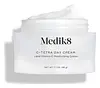
This brightening day moisturizer is formulated around Tetrahexyldecyl Ascorbate and Tocopheryl Acetate to brighten dull-looking skin and soften the look of wrinkles.
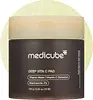
This brightening toner pad uses a pre-saturated pad with Niacinamide and Gluconolactone to brighten dull-looking skin and fade the look of dark spots.


What's inside
What's inside
 Key Ingredients
Benefits
Concerns
Ingredients Side-by-side
Water
Skin ConditioningHeptyl Undecylenate
EmollientCaprylic/Capric Triglyceride
Masking


Tetrahexyldecyl Ascorbate
Antioxidant






Methylpropanediol
SolventCetearyl Olivate


Cetearyl Isononanoate
Emollient
Distarch Phosphate
AbsorbentTocopheryl Acetate
Antioxidant
Sodium Polyacrylate
Absorbent
Sorbitan Olivate
Emulsifying
Sodium Hyaluronate
Humectant

Caprylyl Glycol
Emollient
Glycerin
Humectant
Disodium EDTA
Phenylpropanol
Masking

Citrus Grandis Peel Oil
Masking




Citrus Limon Peel Oil
Masking
Citrus Aurantium Bergamia Fruit Oil
Masking
Pelargonium Graveolens Flower Oil
Masking
Sodium Hydroxide
BufferingLimonene
Perfuming
Citronellol
Perfuming
Linalool
Perfuming
Geraniol
Perfuming
Citral
Perfuming
Water, Heptyl Undecylenate, Caprylic/Capric Triglyceride, Tetrahexyldecyl Ascorbate, Methylpropanediol, Cetearyl Olivate, Cetearyl Isononanoate, Distarch Phosphate, Tocopheryl Acetate, Sodium Polyacrylate, Sorbitan Olivate, Sodium Hyaluronate, Caprylyl Glycol, Glycerin, Disodium EDTA, Phenylpropanol, Citrus Grandis Peel Oil, Citrus Limon Peel Oil, Citrus Aurantium Bergamia Fruit Oil, Pelargonium Graveolens Flower Oil, Sodium Hydroxide, Limonene, Citronellol, Linalool, Geraniol, Citral
Hippophae Rhamnoides Water
Masking
Water
Skin ConditioningMethyl Gluceth-20
Humectant
Methylpropanediol
SolventNiacinamide
Smoothing




Glycereth-26
Humectant
Methyl Gluceth-10
EmulsifyingPolyglycerin-3
Humectant
1,2-Hexanediol
Skin Conditioning
Gluconolactone
Skin Conditioning
3-O-Ethyl Ascorbic Acid
Skin Conditioning
Ethylhexylglycerin
Skin ConditioningCymbopogon Martini Oil
Masking
Cymbopogon Nardus Oil
Masking
Adenosine
Skin Conditioning
Butylene Glycol
Humectant
Disodium EDTA
Mentha Viridis Extract
MaskingLactobacillus/Lemon Peel Ferment Extract
Skin ConditioningGeraniol
Perfuming
Citronellol
Perfuming
Coptis Japonica Extract
AntimicrobialCucumis Melo Seed Extract
Skin ConditioningLitsea Cubeba Fruit Oil
Masking
Pelargonium Graveolens Extract
Masking
Allantoin
Skin Conditioning
Dipotassium Glycyrrhizate
Humectant
Panthenol
Skin Conditioning
Sodium Hyaluronate
Humectant
Lactic Acid
Buffering
Glucose
Humectant
Beta-Glucan
Skin Conditioning
Linalool
Perfuming
Hyaluronic Acid
Humectant
Glycerin
Humectant
Caprylic/Capric Triglyceride
Masking
Tocopherol
Antioxidant
Cetyl Palmitate
Emollient
Ubiquinone
Antioxidant
Polysorbate 80
Emulsifying
Sorbitan Stearate
Emulsifying
Sodium Benzoate
Masking
Citric Acid
Buffering
Hydrogenated Lecithin
Emulsifying
Palmitoyl Tripeptide-5
Skin Conditioning
Ergothioneine
Antioxidant
Hesperidin
EmollientPalmitoyl Tetrapeptide-10
Skin Conditioning
Hippophae Rhamnoides Water, Water, Methyl Gluceth-20, Methylpropanediol, Niacinamide, Glycereth-26, Methyl Gluceth-10, Polyglycerin-3, 1,2-Hexanediol, Gluconolactone, 3-O-Ethyl Ascorbic Acid, Ethylhexylglycerin, Cymbopogon Martini Oil, Cymbopogon Nardus Oil, Adenosine, Butylene Glycol, Disodium EDTA, Mentha Viridis Extract, Lactobacillus/Lemon Peel Ferment Extract, Geraniol, Citronellol, Coptis Japonica Extract, Cucumis Melo Seed Extract, Litsea Cubeba Fruit Oil, Pelargonium Graveolens Extract, Allantoin, Dipotassium Glycyrrhizate, Panthenol, Sodium Hyaluronate, Lactic Acid, Glucose, Beta-Glucan, Linalool, Hyaluronic Acid, Glycerin, Caprylic/Capric Triglyceride, Tocopherol, Cetyl Palmitate, Ubiquinone, Polysorbate 80, Sorbitan Stearate, Sodium Benzoate, Citric Acid, Hydrogenated Lecithin, Palmitoyl Tripeptide-5, Ergothioneine, Hesperidin, Palmitoyl Tetrapeptide-10
Reviews
Ingredients Explained
These ingredients are found in both products.
Ingredients higher up in an ingredient list are typically present in a larger amount.
Caprylic/Capric Triglyceride (aka MCT Oil) is a lightweight emollient, solvent, and texture enhancer. It is considered a skin-softener by helping to prevent moisture loss.
Though it behaves like an oil, it is not technically one due to its chemical composition. One perk of this ingredient is that it is very stable, resistant to oxidation, and unlikely to go rancid.
In practice, that translates to a long shelf life and a consistently elegant skin feel.
While there is an assumption Caprylic Triglyceride can clog pores due to it being derived from coconut oil, there is no research supporting this. Just patch test if you have concerns.
Fractionated coconut oil and MCT Oil are both listed as Caprylic/Capric Triglyceride according to INCI. This is because INCI names are based on the ingredient’s final chemical composition and not its marketing name or source.
This ingredient is treated as the gold standard fungal acne safe oil. Even though it is coconut derived, the problematic lauric acid is stripped out.
This leaves just caprylic (C8) and capric (C10) acid. These chain lengths actually trend antifungal; a 2020 study found caprylic acid was enough to disrupt Malassezia furfur cell membrane, with a caprylic acid derivative damaging membrane structures at concentrations as low as 0.2%.
Learn more about Caprylic/Capric TriglycerideCitronellol is used to add fragrance/parfum to a product. It is often derived from plants such as roses. In fact, it can be found in many essential oils including geranium, lavender, neroli, and more. The scent of Citronellol is often described as "fresh, grassy, and citrus-like".
Since the Citronellol molecule is already unstable, Citronellol becomes irritating on the skin when exposed to air.
Citronellol is a modified terpene. Terpenes are unsaturated hydrocarbons found in plants. They make up the primary part of essential oils.
Citronellol is not able to be absorbed into deeper layers of the skin. It has low permeability,
Citronellol is also a natural insect repellent.
Learn more about CitronellolDisodium EDTA is a chelating agent. It grabs onto and deactivates metal ions that sneak into your products from water, packaging, or air.
This ingredient mainly works behind the scenes and helps with:
On top of that, this ingredient can counteract the effects of hard water by binding to the minerals in it.
One thing worth knowing is that Disodium EDTA has been shown to be a mild penetration enhancer. It can help other ingredients absorb into skin more effectively which can be a double-edged sword (great for actives, but can also make the active too strong if you have sensitive skin).
Clinical patch testing showed no significant skin irritation at typical use concentrations and minimal dermal absorption.
You'll most likely see this ingredient near the end of an ingredient list. It's typically found in concentrations less than 1%.
Learn more about Disodium EDTAGeraniol is used to add fragrance/parfum to a product. It is the main component of citronellol. It is a monoterpenoid and an alcohol.
Monoterpenes are naturally found in many parts of different plants.
Geraniol can be found in many essential oils including Rose Oil and Citronella Oil. The scent of Geraniol is often described as "rose-like". Many foods also contain Geraniol for fruit flavoring.
Geraniol can irritate the skin when exposed to air. However, irritation depends on the ability of geraniol to penetrate into the skin. In general, geraniol is not able to penetrate skin easily.
Geraniol is colorless and has low water-solubility. However, it is soluble in common organic solvents.
Like citronellol, it is a natural insect repellent.
2,6-Octadien-1-ol, 3,7-dimethyl-, (2E)-
Learn more about GeraniolGlycerin (or glycerol) is a compound naturally found in your skin. It's a powerhouse humectant that pulls water into the stratum corneum.
Topically, glycerin does several things at once:
Your skin makes glycerin on its own (mostly from sebaceous oil breakdown) and shuttles it to your outermost layer of skin, or your epidermis, via aquaporin-3.
Aquaporin-3 is a transporter that is essential for normal skin hydration, elasticity, and repair. Interestingly, mice lacking in AQP3 have dry and less elastic skin that can be fully corrected with glycerin.
This ingredient is non-irritating, plays well with almost every ingredient, and works across all skin types. Typical use is anywhere between 3-10% but can go up to 79% in some leave-on products.
Just know very high concentrations (>40%) can feel tacky in low humidity.
Glycerin is the name for this ingredient in American English. British English uses Glycerol/Glycerine.
Learn more about GlycerinLinalool is a fragrance and helps add scent to products. It's derived from common plants such as cinnamon, mint, citrus, and lavender.
Like Limonene, this ingredient oxidizes when exposed to air. Oxidized linalool can cause allergies and skin sensitivity.
This ingredient has a scent that is floral, spicy tropical, and citrus-like.
Learn more about LinaloolMethylpropanediol is a synthetic solvent and humectant.
As a solvent, it helps dissolve other ingredients, helping to evenly distribute ingredients throughout the product. This ingredient has also been shown to have antimicrobial properties which makes it a preservative booster.
Methylpropanediol is able to add a bit of moisture to the skin. It also helps other ingredients be better absorbed into the skin, such as salicylic acid.
Learn more about MethylpropanediolSodium Hyaluronate is the salt form of hyaluronic acid. It is a long sugar chain that is naturally found in your skin, joints, and connective tissue that maintains hydration and elasticity.
In skincare, it works as a humectant. It pulls water from the environment and deeper layers of skin and binds it to the surface.
Interestingly, the size of the molecule affects its behavior:
Some clinical evidence links low molecular weight versions to improved wrinkle depth, elasticity, anti-inflammatory effects, and barrier repair.
Many serums use a blend of both weights so you can get surface hydration plus longer-lasting and deeper effects.
You'll typically see concentrations between 0.1-2% for this ingredient.
Learn more about Sodium HyaluronateWater. It's the most common cosmetic ingredient of all. You'll usually see it at the top of ingredient lists, meaning that it makes up the largest part of the product.
So why is it so popular? Water most often acts as a solvent - this means that it helps dissolve other ingredients into the formulation.
You'll also recognize water as that liquid we all need to stay alive. If you see this, drink a glass of water. Remember to stay hydrated!
Learn more about Water

