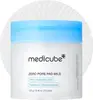
This pore-care toner pad uses a pre-saturated pad with Gluconolactone and Panthenol to refine the look of pores and refine skin texture.
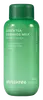
This barrier-repair essence is formulated around Niacinamide and Ceramide NP to strengthen the skin barrier and hydrate skin.

What's inside
What's inside
 Key Ingredients
Benefits
Concerns
No concerns
Ingredients Side-by-side
Water
Skin ConditioningPropanediol
Solvent

Methylpropanediol
Solvent1,2-Hexanediol
Skin Conditioning
Glycereth-26
Humectant
Butylene Glycol
Humectant
Saccharide Hydrolysate
HumectantTromethamine
BufferingGluconolactone
Chelating







Panthenol
Skin Conditioning

Ethylhexylglycerin
Skin ConditioningDisodium EDTA
ChelatingPyrus Communis Fruit Extract
Skin ConditioningMadecassoside
Antioxidant
Rosa Damascena Flower Water
Masking
Iris Florentina Root Extract
MaskingCentella Asiatica Extract
Cleansing
Cucumis Melo Fruit Extract
Skin ConditioningSalvia Hispanica Seed Extract
Emollient
Houttuynia Cordata Extract
Skin Conditioning
Hedera Helix Leaf/Stem Extract
AntimicrobialCynanchum Atratum Extract
Skin ConditioningPentylene Glycol
Skin Conditioning
Ulmus Davidiana Root Extract
Skin Conditioning
Pueraria Lobata Root Extract
HumectantPinus Palustris Leaf Extract
TonicOenothera Biennis Flower Extract
AstringentSodium Hyaluronate
Humectant
Vitis Vinifera Fruit Extract
Skin ConditioningDiospyros Kaki Fruit Extract
Skin ConditioningCastanea Crenata Shell Extract
Skin ConditioningCamellia Sinensis Leaf Extract
Antimicrobial
Hyaluronic Acid
Humectant
Sodium Hyaluronate Crosspolymer
Humectant
Hydrolyzed Sodium Hyaluronate
Skin Conditioning
Hydrolyzed Hyaluronic Acid
Humectant
Sodium Acetylated Hyaluronate
Humectant
Hydroxypropyltrimonium Hyaluronate
Water, Propanediol, Methylpropanediol, 1,2-Hexanediol, Glycereth-26, Butylene Glycol, Saccharide Hydrolysate, Tromethamine, Gluconolactone, Panthenol, Ethylhexylglycerin, Disodium EDTA, Pyrus Communis Fruit Extract, Madecassoside, Rosa Damascena Flower Water, Iris Florentina Root Extract, Centella Asiatica Extract, Cucumis Melo Fruit Extract, Salvia Hispanica Seed Extract, Houttuynia Cordata Extract, Hedera Helix Leaf/Stem Extract, Cynanchum Atratum Extract, Pentylene Glycol, Ulmus Davidiana Root Extract, Pueraria Lobata Root Extract, Pinus Palustris Leaf Extract, Oenothera Biennis Flower Extract, Sodium Hyaluronate, Vitis Vinifera Fruit Extract, Diospyros Kaki Fruit Extract, Castanea Crenata Shell Extract, Camellia Sinensis Leaf Extract, Hyaluronic Acid, Sodium Hyaluronate Crosspolymer, Hydrolyzed Sodium Hyaluronate, Hydrolyzed Hyaluronic Acid, Sodium Acetylated Hyaluronate, Hydroxypropyltrimonium Hyaluronate
Water
Skin ConditioningGlycerin
Humectant
Butylene Glycol
Humectant
Propanediol
Solvent
Hydrogenated Rice Bran Oil
Skin Conditioning
Betaine
Humectant
1,2-Hexanediol
Skin Conditioning
Mannitol
Humectant
Polyglycerin-3
Humectant
PPG-13-Decyltetradeceth-24
EmulsifyingHydrogenated Lecithin
Emulsifying
Pentylene Glycol
Skin Conditioning
Glyceryl Caprylate
EmollientXanthan Gum
EmulsifyingCarbomer
Emulsion StabilisingEthylhexylglycerin
Skin ConditioningCaprylic/Capric Triglyceride
Masking
Sodium Stearoyl Glutamate
CleansingTromethamine
BufferingHydroxyethyl Acrylate/Sodium Acryloyldimethyl Taurate Copolymer
Emulsion StabilisingSodium Metaphosphate
BufferingNiacinamide
Smoothing

Polyglyceryl-10 Stearate
Skin Conditioning

Sorbitan Isostearate
Emulsifying
Hyaluronic Acid
Humectant
Ceramide NP
Skin Conditioning
Phytosterols
Skin Conditioning
Camellia Sinensis Seed Oil
Humectant
Tocopherol
Antioxidant
Sodium Hyaluronate
Humectant
Camellia Sinensis Leaf Extract
Antimicrobial
Caprylyl Glycol
Emollient
Propylene Glycol
Humectant
Glyceryl Oleate
Emollient

Lecithin
Emollient
Lauryl Glucoside
CleansingHydrolyzed Hyaluronic Acid
Humectant
Polyglyceryl-6 Laurate
Emulsifying
Myristyl Glucoside
CleansingSodium Hyaluronate Crosspolymer
Humectant
Sodium Trimetaphosphate
BufferingSodium Acetylated Hyaluronate
Humectant
Acetyl Tetrapeptide-2
Skin Conditioning
Water, Glycerin, Butylene Glycol, Propanediol, Hydrogenated Rice Bran Oil, Betaine, 1,2-Hexanediol, Mannitol, Polyglycerin-3, PPG-13-Decyltetradeceth-24, Hydrogenated Lecithin, Pentylene Glycol, Glyceryl Caprylate, Xanthan Gum, Carbomer, Ethylhexylglycerin, Caprylic/Capric Triglyceride, Sodium Stearoyl Glutamate, Tromethamine, Hydroxyethyl Acrylate/Sodium Acryloyldimethyl Taurate Copolymer, Sodium Metaphosphate, Niacinamide, Polyglyceryl-10 Stearate, Sorbitan Isostearate, Hyaluronic Acid, Ceramide NP, Phytosterols, Camellia Sinensis Seed Oil, Tocopherol, Sodium Hyaluronate, Camellia Sinensis Leaf Extract, Caprylyl Glycol, Propylene Glycol, Glyceryl Oleate, Lecithin, Lauryl Glucoside, Hydrolyzed Hyaluronic Acid, Polyglyceryl-6 Laurate, Myristyl Glucoside, Sodium Hyaluronate Crosspolymer, Sodium Trimetaphosphate, Sodium Acetylated Hyaluronate, Acetyl Tetrapeptide-2
Reviews
Ingredients Explained
These ingredients are found in both products.
Ingredients higher up in an ingredient list are typically present in a larger amount.
1,2-Hexanediol is a synthetic liquid and another multi-functional powerhouse.
It is a:
- Humectant, drawing moisture into the skin
- Emollient, helping to soften skin
- Solvent, dispersing and stabilizing formulas
- Preservative booster, enhancing the antimicrobial activity of other preservatives
Butylene Glycol (or BG) is used within cosmetic products for a few different reasons:
Overall, Butylene Glycol is a safe and well-rounded ingredient that works well with other ingredients.
Though this ingredient works well with most skin types, some people with sensitive skin may experience a reaction such as allergic rashes, closed comedones, or itchiness.
Learn more about Butylene GlycolCamellia Sinensis Leaf Extract (tea extract) is one of the most well-researched plant extracts in skincare with an impressive resume.
Black tea, green tea, and oolong tea are all harvested from the Camellia Sinensis plant.
Studies show green tea extract and its catechins (like epigallocatechin gallate (EGCG)) help your skin cells product energy more efficiently and reducing the number of free-radicals that can damage your skin from the inside.
In lab-grown skin models, this translated to younger, healthier, and stronger skin.
There's also good sun protection data; researchers saw less DNA damage and redness on human skin when green tea was applied before UVB exposure. And the more they applied, the better the protection.
Needless to say, this ingredient shouldn't replace your sunscreen. But it is a great supportive ingredient that you can already find in many sunscreens and antioxidant serums.
A 2009 study found a 2% green tea lotion was effective for mild-to-moderate acne thanks to its anti-inflammatory and mild antimicrobial activity.
The quality of the extract matters a lot here:
Good extracts contain 50-90% catechins while lower quality ones are mostly there for marketing. We recommend reaching out to the brand if you have questions about the quality or source of their ingredients.
Human Repeated Insult Patch Testing showed no irritation or sensitization at use concentrations (0.86% in leave-on products and up to 30% as leaf water).
Learn more about Camellia Sinensis Leaf ExtractEthylhexylglycerin is created from glycerin. It is a multitasker ingredient that:
The CIR Expert Panel found minimal skin absorption or sensitization of any kind in a safety assessment. Though this ingredient is considered well-tolerated, a small number of cases of allergic dermatitis have been published since 2002. Just be sure to patch test if you are unsure.
Industry-reported use ranges from 8% in rinse-off products and 2% in leave-on formulations.
Learn more about EthylhexylglycerinHyaluronic acid (HA) is a glycosaminoglycan (basically a long sugar chain) that your skin already makes on its own. In your skin, HA lives in the extracellular matrix and acts as the body's moisture reservoir.
Topically, HA is a humectant that binds water and helps skin look more plump, smooth, and hydrated.
The only catch is that HA isn't a single thing; it actually comes in a wide range of molecular weights (~50 - 2,000+ kDA) and size matters.
Some clinical evidence links low molecular weight versions to improved wrinkle depth, elasticity, anti-inflammatory effects, and barrier repair.
This is why the best HA serums blend the two sizes together so you get the best of both worlds.
The majority of cosmetic HA is produced by bacterial fermentation, typically using Streptococcus or Bacillus strains. Typical use levels in skincare sit around 0.1-2%.
A clinical study using a 0.2% low-molecular weight HA gel showed improvement in facial seborrheic dermatitis with excellent tolerance.
These are some other common types of Hyaluronic Acid:
Learn more about Hyaluronic AcidHydrolyzed Hyaluronic Acid is hyaluronic acid (HA) that is broken down into lower molecular weight fragments.
It's a humectant that pulls and holds water in the skin to help with hydration, plumpness, and reduce transepidermal water loss.
Because hydrolyzed hyaluronic acid is smaller in size, it can slip past your outermost layer of skin more easily than full-sized HA.
Most formulations will combine all sizes to get the best of both worlds.
Typical usage levels range from 0.01-1%. Any percentage higher than 2% might become goopy and tacky.
Learn more about Hydrolyzed Hyaluronic AcidPentylene Glycol (1,2-pentanediol) is a multitasking little diol with three main roles in a formula:
Research on alkanediols (the family pentylene glycol belongs to) show they work by disrupting microbial cell membranes. This disruption helps the primary preservative system in a product work more effectively at lower doses.
On the safety side, the Cosmetic Ingredient Review Expert Panel has concluded this ingredient to be safe as used in current cosmetic practices + concentrations.
Typical use levels in a formula run about 1-5%.
Learn more about Pentylene GlycolPropanediol is an all-star ingredient. It softens, hydrates, and smooths the skin.
It’s often used to:
Propanediol is not likely to cause sensitivity and considered safe to use. It is derived from corn or petroleum with a clear color and no scent.
Learn more about PropanediolSodium Acetylated Hyaluronate is a type of Hyaluronic Acid.
Hyaluronic Acids help moisturize, soothe, and protect the skin.
Read about common types of Hyaluronic Acid here:
Learn more about Sodium Acetylated HyaluronateSodium Hyaluronate is the salt form of hyaluronic acid. It is a long sugar chain that is naturally found in your skin, joints, and connective tissue that maintains hydration and elasticity.
In skincare, it works as a humectant. It pulls water from the environment and deeper layers of skin and binds it to the surface.
Interestingly, the size of the molecule affects its behavior:
Some clinical evidence links low molecular weight versions to improved wrinkle depth, elasticity, anti-inflammatory effects, and barrier repair.
Many serums use a blend of both weights so you can get surface hydration plus longer-lasting and deeper effects.
You'll typically see concentrations between 0.1-2% for this ingredient.
Learn more about Sodium HyaluronateSodium Hyaluronate Crosspolymer is a crosslinked version of sodium hyaluronate. This just means it's linked into a 3D mesh network that lets it be more stable and sit on skin as a cohesive, gel-like film rather than sinking into skin.
A 2016 human skin study found crosslinked HA increased epidermal water content by 7.6% over the control group and reduced transepidermal water loss by 27.8%.
A follow-up clinical trial found that a topical crosslinked HA serum applied after fillers, microneedling, or chemical peels was well-tolerated and enhanced skin quality at 14 / 28 days.
More recent research suggests that concentrations as low as 0.03% can act as a penetration enhancer for other skincare actives.
Learn more about Sodium Hyaluronate CrosspolymerTromethamine (aka THAM) is a synthetic amino acid that shows up in skincare as a helper ingredient.
It functions as a pH adjuster to help neutralize acidic ingredients and set a formula's pH to the right spot.
This matters a lot because a lot of actives (like vitamin C) needs a specific pH to work well and feel comfortable on skin.
Concentration use ranges from 0.1-1.0% depending on the formula.
Learn more about TromethamineWater. It's the most common cosmetic ingredient of all. You'll usually see it at the top of ingredient lists, meaning that it makes up the largest part of the product.
So why is it so popular? Water most often acts as a solvent - this means that it helps dissolve other ingredients into the formulation.
You'll also recognize water as that liquid we all need to stay alive. If you see this, drink a glass of water. Remember to stay hydrated!
Learn more about Water

