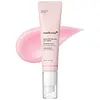
This anti-aging eye moisturizer is formulated around Niacinamide and Sodium DNA to soften the look of wrinkles.
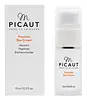
This anti-aging eye moisturizer is formulated around Dipeptide-2 and Palmitoyl Tetrapeptide-7 to soften the look of wrinkles and refine skin texture.


What's inside
What's inside
 Key Ingredients
Benefits
Concerns
Ingredients Side-by-side
Water
Skin ConditioningGlycerin
Humectant


Dipropylene Glycol
HumectantNiacinamide
Smoothing









Caprylic/Capric Triglyceride
Masking
Pentaerythrityl Tetraethylhexanoate
Emollient
Cetearyl Alcohol
Emollient





Glycereth-26
Humectant
Butylene Glycol Dicaprylate/Dicaprate
EmollientBis-Behenyl/Isostearyl/Phytosteryl Dimer Dilinoleyl Dimer Dilinoleate
EmollientCetearyl Olivate
Sorbitan Olivate
Emulsifying
Propylene Glycol Dibenzoate
Skin ConditioningPullulan
1,2-Hexanediol
Skin Conditioning
Glyceryl Stearate
Emollient
Vinyldimethicone

Hydroxyacetophenone
Antioxidant
Hydroxyethyl Acrylate/Sodium Acryloyldimethyl Taurate Copolymer
Emulsion StabilisingHydrogenated Lecithin
Emulsifying
Sodium Acrylate/Sodium Acryloyldimethyl Taurate Copolymer
Emulsion StabilisingSodium DNA
Skin Conditioning
Polyisobutene
Butylene Glycol
Humectant
Ethylhexylglycerin
Skin ConditioningPropanediol
Solvent
Melia Azadirachta Leaf Extract
Skin ConditioningAdenosine
Skin Conditioning
Melia Azadirachta Flower Extract
Skin ConditioningCurcuma Longa Root Extract
Antioxidant
Sorbitan Isostearate
Emulsifying
Sorbitan Oleate
Emulsifying
Caprylyl/Capryl Glucoside
CleansingFragaria Chiloensis Fruit Extract
Skin Conditioning
Hedera Helix Leaf/Stem Extract
AntimicrobialCyanocobalamin
Skin ConditioningCitrus Nobilis Peel Extract
Masking
Retinol
Skin Conditioning

Ocimum Sanctum Leaf Extract
Skin ConditioningLespedeza Capitata Leaf/Stem Extract
Skin ConditioningCorallina Officinalis Extract
Skin Conditioning
Sodium Hyaluronate
Humectant
Caffeine
Skin Conditioning
Coffea Arabica Seed Extract
Masking
Hydrolyzed Extensin
Skin ConditioningHydrolyzed Hyaluronic Acid
Humectant
Copper Tripeptide-1
Skin Conditioning
Sodium Acetylated Hyaluronate
Humectant
Acetyl Hexapeptide-8
Humectant
Palmitoyl Pentapeptide-4
Skin Conditioning
Palmitoyl Tetrapeptide-7
Skin Conditioning
Palmitoyl Tripeptide-1
Skin Conditioning
Water, Glycerin, Dipropylene Glycol, Niacinamide, Caprylic/Capric Triglyceride, Pentaerythrityl Tetraethylhexanoate, Cetearyl Alcohol, Glycereth-26, Butylene Glycol Dicaprylate/Dicaprate, Bis-Behenyl/Isostearyl/Phytosteryl Dimer Dilinoleyl Dimer Dilinoleate, Cetearyl Olivate, Sorbitan Olivate, Propylene Glycol Dibenzoate, Pullulan, 1,2-Hexanediol, Glyceryl Stearate, Vinyldimethicone, Hydroxyacetophenone, Hydroxyethyl Acrylate/Sodium Acryloyldimethyl Taurate Copolymer, Hydrogenated Lecithin, Sodium Acrylate/Sodium Acryloyldimethyl Taurate Copolymer, Sodium DNA, Polyisobutene, Butylene Glycol, Ethylhexylglycerin, Propanediol, Melia Azadirachta Leaf Extract, Adenosine, Melia Azadirachta Flower Extract, Curcuma Longa Root Extract, Sorbitan Isostearate, Sorbitan Oleate, Caprylyl/Capryl Glucoside, Fragaria Chiloensis Fruit Extract, Hedera Helix Leaf/Stem Extract, Cyanocobalamin, Citrus Nobilis Peel Extract, Retinol, Ocimum Sanctum Leaf Extract, Lespedeza Capitata Leaf/Stem Extract, Corallina Officinalis Extract, Sodium Hyaluronate, Caffeine, Coffea Arabica Seed Extract, Hydrolyzed Extensin, Hydrolyzed Hyaluronic Acid, Copper Tripeptide-1, Sodium Acetylated Hyaluronate, Acetyl Hexapeptide-8, Palmitoyl Pentapeptide-4, Palmitoyl Tetrapeptide-7, Palmitoyl Tripeptide-1
Water
Skin ConditioningHelianthus Annuus Hybrid Oil
Emollient
Olivoyl Hydrolyzed Wheat Protein
CleansingGlycerin
Humectant
Prunus Armeniaca Kernel Oil
Masking
Cetyl Alcohol
Emollient
Phragmites Karka Extract
Skin ConditioningPoria Cocos Extract
Skin ConditioningHydrolyzed Corn Starch
HumectantBeta Vulgaris Root Extract
Skin ConditioningCetearyl Alcohol
Emollient
Dipalmitoyl Hydroxyproline
Skin Conditioning
Tocopheryl Acetate
Antioxidant
Hippophae Rhamnoides Extract
MaskingGlyceryl Oleate
Emollient
Glyceryl Stearate
Emollient
Allantoin
Skin Conditioning
Rosmarinus Officinalis Leaf Extract
AntimicrobialParfum
Masking
Phenoxyethanol
Preservative
Ethylhexylglycerin
Skin ConditioningHesperidin Methyl Chalcone
Antioxidant
Steareth-20
CleansingDipeptide-2
Skin Conditioning
Palmitoyl Tetrapeptide-7
Skin Conditioning
Potassium Hydroxide
BufferingLactic Acid
Buffering
Xanthan Gum
EmulsifyingWater, Helianthus Annuus Hybrid Oil, Olivoyl Hydrolyzed Wheat Protein, Glycerin, Prunus Armeniaca Kernel Oil, Cetyl Alcohol, Phragmites Karka Extract, Poria Cocos Extract, Hydrolyzed Corn Starch, Beta Vulgaris Root Extract, Cetearyl Alcohol, Dipalmitoyl Hydroxyproline, Tocopheryl Acetate, Hippophae Rhamnoides Extract, Glyceryl Oleate, Glyceryl Stearate, Allantoin, Rosmarinus Officinalis Leaf Extract, Parfum, Phenoxyethanol, Ethylhexylglycerin, Hesperidin Methyl Chalcone, Steareth-20, Dipeptide-2, Palmitoyl Tetrapeptide-7, Potassium Hydroxide, Lactic Acid, Xanthan Gum
Reviews
Ingredients Explained
These ingredients are found in both products.
Ingredients higher up in an ingredient list are typically present in a larger amount.
Cetearyl alcohol is a waxy mixture of two fatty alcohols: cetyl alcohol and stearyl alcohol. It is an emollient and emulsifier.
Despite having "alcohol" in its name, it has nothing to do with drying solvent alcohols; the FDA also allows "alcohol-free" products to contain fatty alcohols like this ingredient.
It plays several roles in a formula:
Typical use levels for this ingredient sit around 1-10% and the Cosmetic Ingredient Review Expert Panel has affirmed safety at concentrations up to 25% in leave-on products.
Multiple assessments have found it to be non-irritating and non-sensitizing to most people.
However, there have been some cases of allergic contact dermatitis in patients with chronically compromised skin barriers.
Cetearyl alcohol has a comedogenic rating of 2 and irritancy rating of 1. Both of these numbers come from the 1989 study that used rabbit ears; a "2" means mildly comedogenic and a "1" means low irritancy.
Here's the catch: rabbit skin is more sensitive than human skin and throws a lot of false positives. A 1996 reappraisal found that ingredients rated 1-2 in the rabbit ear tests are generally safe for humans.
Remember comedogenic ratings are unable to assess the entire formula of a product or how it will react on your skin. Just be sure to patch test if you are unsure about certain ingredients.
This ingredient is not fungal acne safe. Cetearyl alcohol is a fatty alcohol with chain lengths that fall within the range that Malassezia can metabolize.
A 2019 study has also observed Malassezia growth in the presence of this ingredient, confirming it to be not-fungal acne safe.
Learn more about Cetearyl AlcoholEthylhexylglycerin is created from glycerin. It is a multitasker ingredient that:
The CIR Expert Panel found minimal skin absorption or sensitization of any kind in a safety assessment. Though this ingredient is considered well-tolerated, a small number of cases of allergic dermatitis have been published since 2002. Just be sure to patch test if you are unsure.
Industry-reported use ranges from 8% in rinse-off products and 2% in leave-on formulations.
Learn more about EthylhexylglycerinGlycerin (or glycerol) is a compound naturally found in your skin. It's a powerhouse humectant that pulls water into the stratum corneum.
Topically, glycerin does several things at once:
Your skin makes glycerin on its own (mostly from sebaceous oil breakdown) and shuttles it to your outermost layer of skin, or your epidermis, via aquaporin-3.
Aquaporin-3 is a transporter that is essential for normal skin hydration, elasticity, and repair. Interestingly, mice lacking in AQP3 have dry and less elastic skin that can be fully corrected with glycerin.
This ingredient is non-irritating, plays well with almost every ingredient, and works across all skin types. Typical use is anywhere between 3-10% but can go up to 79% in some leave-on products.
Just know very high concentrations (>40%) can feel tacky in low humidity.
Glycerin is the name for this ingredient in American English. British English uses Glycerol/Glycerine.
Learn more about GlycerinGlyceryl Stearate is made by reacting glycerin with stearic acid (typically sourced from plant oils like palm or coconut). It's an emulsifier, emollient, and mild occlusive.
Emulsifiers help ingredients like oil and water stay mixed so your formula stays nicely blended and uniform in texture.
This ingredient is typically used in concentrations between 1-10%. Studies have found it to be non-sensitizing, non-phototoxic, and non-photoallergenic.
A close cousin of this ingredient is Glyceryl Stearate SE ("self-emulsifying"). This just has a small amount of sodium or potassium stearate added so it can emulsify without a co-emulsifier.
Since this ingredient is an ester of a C18 fatty acid, it may not be fungal acne safe. The Malassezia yeast can potentially metabolize within the C11-C24 range.
Fun fact: The human body also creates Glyceryl Stearate naturally.
Learn more about Glyceryl StearatePalmitoyl Tetrapeptide-7 (formerly Palmitoyl Tetrapeptide-3) is a synthetic peptide. Its main job is to fight what researchers call "inflammaging".
"Inflammaging" is the slow, low-grade chronic inflammation that quietly breaks down collagen as we age.
This ingredient calms down a specific inflammation signal in your skin cells (called IL-6). When left unchecked, this signal triggers enzymes that break down collagen and elastin.
Clinical testing showed statistically significant improvements in:
Studies also found the more of this ingredient used, the more your skin produces Collagen I, fibronectin, and hyaluronic acid.
You'll likely see this ingredient paired with Palmitoyl Tripeptide-1 in the well-known Matrixyl 3000 complex for enhanced anti-aging effects.
A 3% concentration applied twice daily for two months showed meaningful skin rejuvenation results in clinical panels.
Fungal acne note:
Usually a palmitic acid component can feed Malassezia in unbound form, but here is is covalently bonded to the peptide. This means it is very difficult for Malassezia to access, and therefore very unlikely to cause fungal acne.
Water. It's the most common cosmetic ingredient of all. You'll usually see it at the top of ingredient lists, meaning that it makes up the largest part of the product.
So why is it so popular? Water most often acts as a solvent - this means that it helps dissolve other ingredients into the formulation.
You'll also recognize water as that liquid we all need to stay alive. If you see this, drink a glass of water. Remember to stay hydrated!
Learn more about Water

