

What's inside
What's inside
 Key Ingredients
Benefits
Concerns
Ingredients Side-by-side
Hippophae Rhamnoides Water
Masking
Water
Skin ConditioningMethyl Gluceth-20
Humectant
Methylpropanediol
SolventNiacinamide
Smoothing











Glycereth-26
Humectant
Methyl Gluceth-10
EmulsifyingPolyglycerin-3
Humectant
1,2-Hexanediol
Skin Conditioning
Gluconolactone
Skin Conditioning
3-O-Ethyl Ascorbic Acid
Skin Conditioning
Ethylhexylglycerin
Skin ConditioningCymbopogon Martini Oil
Masking
Cymbopogon Nardus Oil
Masking
Adenosine
Skin Conditioning
Butylene Glycol
Humectant
Disodium EDTA
Mentha Viridis Extract
MaskingLactobacillus/Lemon Peel Ferment Extract
Skin ConditioningGeraniol
Perfuming



Citronellol
Perfuming
Coptis Japonica Extract
AntimicrobialCucumis Melo Seed Extract
Skin ConditioningLitsea Cubeba Fruit Oil
Masking
Pelargonium Graveolens Extract
Masking
Allantoin
Skin Conditioning
Dipotassium Glycyrrhizate
Humectant
Panthenol
Skin Conditioning
Sodium Hyaluronate
Humectant
Lactic Acid
Buffering
Glucose
Humectant
Beta-Glucan
Skin Conditioning
Linalool
Perfuming
Hyaluronic Acid
Humectant
Glycerin
Humectant
Caprylic/Capric Triglyceride
Masking
Tocopherol
Antioxidant

Cetyl Palmitate
Emollient
Ubiquinone
Antioxidant
Polysorbate 80
Emulsifying
Sorbitan Stearate
Emulsifying
Sodium Benzoate
Masking
Citric Acid
Buffering
Hydrogenated Lecithin
Emulsifying
Palmitoyl Tripeptide-5
Skin Conditioning
Ergothioneine
Antioxidant
Hesperidin
EmollientPalmitoyl Tetrapeptide-10
Skin Conditioning
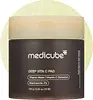
Hippophae Rhamnoides Water, Water, Methyl Gluceth-20, Methylpropanediol, Niacinamide, Glycereth-26, Methyl Gluceth-10, Polyglycerin-3, 1,2-Hexanediol, Gluconolactone, 3-O-Ethyl Ascorbic Acid, Ethylhexylglycerin, Cymbopogon Martini Oil, Cymbopogon Nardus Oil, Adenosine, Butylene Glycol, Disodium EDTA, Mentha Viridis Extract, Lactobacillus/Lemon Peel Ferment Extract, Geraniol, Citronellol, Coptis Japonica Extract, Cucumis Melo Seed Extract, Litsea Cubeba Fruit Oil, Pelargonium Graveolens Extract, Allantoin, Dipotassium Glycyrrhizate, Panthenol, Sodium Hyaluronate, Lactic Acid, Glucose, Beta-Glucan, Linalool, Hyaluronic Acid, Glycerin, Caprylic/Capric Triglyceride, Tocopherol, Cetyl Palmitate, Ubiquinone, Polysorbate 80, Sorbitan Stearate, Sodium Benzoate, Citric Acid, Hydrogenated Lecithin, Palmitoyl Tripeptide-5, Ergothioneine, Hesperidin, Palmitoyl Tetrapeptide-10
Water
Skin ConditioningHamamelis Virginiana Water
Astringent
Glycolic Acid
Buffering
Sodium Hydroxide
BufferingBetaine
Humectant
Tranexamic Acid
Astringent
Niacinamide
Smoothing
Nelumbo Nucifera Germ Extract
Skin ConditioningAvena Sativa Bran Extract
Abrasive
Phenoxyethanol
Preservative
Polysorbate 20
Emulsifying
Sodium Gluconate
Skin ConditioningDipotassium Glycyrrhizate
Humectant
Ethylhexylglycerin
Skin ConditioningBenzoic Acid
Masking
Propanediol
Solvent
Sodium Benzoate
Masking
Potassium Sorbate
Preservative
1,2-Hexanediol
Skin Conditioning
Caprylhydroxamic Acid
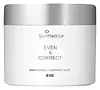
Water, Hamamelis Virginiana Water, Glycolic Acid, Sodium Hydroxide, Betaine, Tranexamic Acid, Niacinamide, Nelumbo Nucifera Germ Extract, Avena Sativa Bran Extract, Phenoxyethanol, Polysorbate 20, Sodium Gluconate, Dipotassium Glycyrrhizate, Ethylhexylglycerin, Benzoic Acid, Propanediol, Sodium Benzoate, Potassium Sorbate, 1,2-Hexanediol, Caprylhydroxamic Acid
Reviews
Ingredients Explained
These ingredients are found in both products.
Ingredients higher up in an ingredient list are typically present in a larger amount.
1,2-Hexanediol is a synthetic liquid and another multi-functional powerhouse.
It is a:
- Humectant, drawing moisture into the skin
- Emollient, helping to soften skin
- Solvent, dispersing and stabilizing formulas
- Preservative booster, enhancing the antimicrobial activity of other preservatives
Dipotassium Glycyrrhizate comes from licorice root.
Extracts of licorice have demonstrated to have antibacterial, anti‐inflammatory, antiviral, antioxidant properties.
One component, glabridin, has extra potent antioxidant and soothing properties. It has also been found to block pigmentation from UVB rays in guinea pigs.
Licorice Root also contains a flavonoid. Flavonoids are a natural substance from in plants. Flavonoids also have antioxidant properties.
Another component, glycyrrhizin, has been found to have anti-inflammatory and antimicrobial benefits. This may make licorice root extract effective at treating acne. However, more research is needed to support this.
Liquiritin is one of the flavone compounds found in licorice. It has been found to help lighten skin by preventing tyrosinase from reacting with tyrosine. When the two react, protein is converted to melanin. Melanin is the substance in your body that gives your features pigmentation.
Licorice root is native to Southern Europe and Asia. It has been used in traditional Chinese medicine to help with respiratory issues.
Learn more about Dipotassium GlycyrrhizateEthylhexylglycerin is created from glycerin. It is a multitasker ingredient that:
The CIR Expert Panel found minimal skin absorption or sensitization of any kind in a safety assessment. Though this ingredient is considered well-tolerated, a small number of cases of allergic dermatitis have been published since 2002. Just be sure to patch test if you are unsure.
Industry-reported use ranges from 8% in rinse-off products and 2% in leave-on formulations.
Learn more about EthylhexylglycerinNiacinamide is a multitasking form of vitamin B3 that strengthens the skin barrier, reduces pores and dark spots, regulates oil, and improves signs of aging.
And the best part? It's gentle and well-tolerated by most skin types, including sensitive and reactive skin.
You might have heard of "niacin flush", or the reddening of skin that causes itchiness. Niacinamide has not been found to cause this.
In very rare cases, some individuals may not be able to tolerate niacinamide at all or experience an allergic reaction to it.
If you are experiencing flaking, irritation, and dryness with this ingredient, be sure to double check all your products as this ingredient can be found in all categories of skincare.
When incorporating niacinamide into your routine, look out for concentration amounts. Typically, 5% niacinamide provides benefits such as fading dark spots. However, if you have sensitive skin, it is better to begin with a smaller concentration.
When you apply niacinamide to your skin, your body converts it into nicotinamide adenine dinucleotide (NAD). NAD is an essential coenzyme that is already found in your cells as "fuel" and powers countless biological processes.
In your skin, NAD helps repair cell damage, produce new healthy cells, support collagen production, strengthen the skin barrier, and fight environmental stressors (like UV and pollution).
Our natural NAD levels start to decline with age, leading to slower skin repair, visible aging, and a weaker skin barrier. By providing your skin niacinamide, you're recharging your skin's NAD levels. This leads to stronger, healthier, and younger looking skin.
Another name for vitamin B3 is nicotinamide. This vitamin is water-soluble and our bodies don't store it. We obtain Vitamin B3 from either food or skincare. Meat, fish, wheat, yeast, and leafy greens contain vitamin B3.
The type of niacinamide used in skincare is synthetically created.
Learn more about NiacinamideSodium Benzoate is a preservative. It's used in both cosmetic and food products to inhibit the growth of mold and bacteria. It is typically produced synthetically.
Both the US FDA and EU Health Committee have approved the use of sodium benzoate. In the US, levels of 0.1% (of the total product) are allowed.
Sodium benzoate works as a preservative by inhibiting the growth of bacteria inside of cells. It prevents the cell from fermenting a type of sugar using an enzyme called phosphofructokinase.
It is the salt of benzoic acid. Foods containing sodium benzoate include soda, salad dressings, condiments, fruit juices, wines, and snack foods.
Studies for using ascorbic acid and sodium benzoate in cosmetics are lacking, especially in skincare routines with multiple steps.
We always recommend speaking with a professional, such as a dermatologist, if you have any concerns.
Learn more about Sodium BenzoateWater. It's the most common cosmetic ingredient of all. You'll usually see it at the top of ingredient lists, meaning that it makes up the largest part of the product.
So why is it so popular? Water most often acts as a solvent - this means that it helps dissolve other ingredients into the formulation.
You'll also recognize water as that liquid we all need to stay alive. If you see this, drink a glass of water. Remember to stay hydrated!
Learn more about Water
