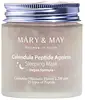
This anti-aging overnight mask is formulated around Centella Asiatica Extract and Calendula Officinalis Flower Extract to soften the look of wrinkles and calm redness.
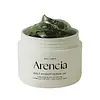
This brightening serum is formulated around Niacinamide and 3-O-Ethyl Ascorbic Acid to brighten dull-looking skin.

What's inside
What's inside
 Key Ingredients
Benefits
Concerns
No concerns
Ingredients Side-by-side
Water
Skin ConditioningAlcohol Denat.
Antimicrobial




Methylpropanediol
Solvent1,2-Hexanediol
Skin Conditioning
Betaine
Humectant

Dipropylene Glycol
HumectantGardenia Florida Flower Extract
Skin ConditioningArctium Lappa Root Extract
Skin Conditioning
Tremella Fuciformis Extract
Humectant
Centella Asiatica Extract
Cleansing


Ficus Carica Fruit Extract
Humectant
Piper Methysticum Leaf/Root/Stem Extract
Skin ConditioningChamomilla Recutita Extract
Skin Conditioning
Chrysanthemum Parthenium Extract
Skin ConditioningHydrogenated Lecithin
Emulsifying
Sodium Hyaluronate
Humectant
Calendula Officinalis Flower Extract
Masking
Panthenol
Skin Conditioning
Acrylates/C10-30 Alkyl Acrylate Crosspolymer
Emulsion StabilisingGlycerin
Humectant
Tromethamine
BufferingButylene Glycol
Humectant
Polyglyceryl-10 Laurate
Skin Conditioning
Dextrin
AbsorbentSodium Phytate
ChelatingCeramide NP
Skin Conditioning
Tocopherol
Antioxidant



Acetyl Hexapeptide-8
Humectant
Acetyl Octapeptide-3
Humectant
Acetyl Tetrapeptide-2
Skin Conditioning
Oligopeptide-6
Skin Conditioning
Tripeptide-1
Skin Conditioning
Copper Tripeptide-1
Skin Conditioning
Hexapeptide-2
Bleaching
Dipeptide-2
Skin Conditioning
Acetyl Tetrapeptide-3
Skin Protecting
Acetyl Tripeptide-1
Skin Conditioning
Hexapeptide-9
Skin Conditioning
Tripeptide-2
Skin Conditioning
Nonapeptide-1
Skin Conditioning
Pentapeptide-3
Skin Conditioning
Tripeptide-3
Skin Conditioning
Alanine/Histidine/Lysine Polypeptide Copper Hcl
Skin Conditioning
Dipeptide-4
Skin Conditioning
Acetyl Tetrapeptide-5
Humectant
Palmitoyl Dipeptide-7
Skin Conditioning
Palmitoyl Hexapeptide-12
Skin Conditioning
Palmitoyl Tripeptide-1
Skin Conditioning
Palmitoyl Tripeptide-5
Skin Conditioning
Palmitoyl Pentapeptide-4
Skin Conditioning
Dipeptide Diaminobutyroyl Benzylamide Diacetate
Skin Conditioning
Palmitoyl Tetrapeptide-7
Skin Conditioning
Guaiazulene
Antimicrobial
Parfum
Masking
Ethylhexylglycerin
Skin ConditioningWater, Alcohol Denat., Methylpropanediol, 1,2-Hexanediol, Betaine, Dipropylene Glycol, Gardenia Florida Flower Extract, Arctium Lappa Root Extract, Tremella Fuciformis Extract, Centella Asiatica Extract, Ficus Carica Fruit Extract, Piper Methysticum Leaf/Root/Stem Extract, Chamomilla Recutita Extract, Chrysanthemum Parthenium Extract, Hydrogenated Lecithin, Sodium Hyaluronate, Calendula Officinalis Flower Extract, Panthenol, Acrylates/C10-30 Alkyl Acrylate Crosspolymer, Glycerin, Tromethamine, Butylene Glycol, Polyglyceryl-10 Laurate, Dextrin, Sodium Phytate, Ceramide NP, Tocopherol, Acetyl Hexapeptide-8, Acetyl Octapeptide-3, Acetyl Tetrapeptide-2, Oligopeptide-6, Tripeptide-1, Copper Tripeptide-1, Hexapeptide-2, Dipeptide-2, Acetyl Tetrapeptide-3, Acetyl Tripeptide-1, Hexapeptide-9, Tripeptide-2, Nonapeptide-1, Pentapeptide-3, Tripeptide-3, Alanine/Histidine/Lysine Polypeptide Copper Hcl, Dipeptide-4, Acetyl Tetrapeptide-5, Palmitoyl Dipeptide-7, Palmitoyl Hexapeptide-12, Palmitoyl Tripeptide-1, Palmitoyl Tripeptide-5, Palmitoyl Pentapeptide-4, Dipeptide Diaminobutyroyl Benzylamide Diacetate, Palmitoyl Tetrapeptide-7, Guaiazulene, Parfum, Ethylhexylglycerin
Water
Skin ConditioningButylene Glycol
Humectant
Propanediol
Solvent
Glycerin
Humectant
1,2-Hexanediol
Skin Conditioning
Niacinamide
Smoothing



Methylpropanediol
SolventAmmonium Acryloyldimethyltaurate/Vp Copolymer
Acrylates/C10-30 Alkyl Acrylate Crosspolymer
Emulsion StabilisingArginine
Masking
Dextrin
AbsorbentEthylhexylglycerin
Skin ConditioningGlyceryl Acrylate/Acrylic Acid Copolymer
HumectantAdenosine
Skin Conditioning
Pvm/Ma Copolymer
Emulsion StabilisingGardenia Florida Fruit Extract
Skin ConditioningSodium Hyaluronate
Humectant
Hyssopus Officinalis Extract
Masking3-O-Ethyl Ascorbic Acid
Skin Conditioning
Sodium Ascorbyl Phosphate
Antioxidant
Ascorbic Acid
Antioxidant
Ascorbyl Glucoside
Antioxidant
Tocopherol
Antioxidant
Panthenol
Skin Conditioning
Pyridoxine
Skin ConditioningLinum Usitatissimum Seed Extract
Perfuming
Oryza Sativa Extract
Absorbent
Hydrogenated Lecithin
Emulsifying
Ceramide NP
Skin Conditioning
Glycosphingolipids
EmollientSodium Hyaluronate Crosspolymer
Humectant
Potassium Hyaluronate
Skin ConditioningHydroxypropyltrimonium Hyaluronate
Hydrolyzed Sodium Hyaluronate
Skin Conditioning
Hydrolyzed Hyaluronic Acid
Humectant
Hyaluronic Acid
Humectant
Pentylene Glycol
Skin Conditioning
Sodium Acetylated Hyaluronate
Humectant
Water, Butylene Glycol, Propanediol, Glycerin, 1,2-Hexanediol, Niacinamide, Methylpropanediol, Ammonium Acryloyldimethyltaurate/Vp Copolymer, Acrylates/C10-30 Alkyl Acrylate Crosspolymer, Arginine, Dextrin, Ethylhexylglycerin, Glyceryl Acrylate/Acrylic Acid Copolymer, Adenosine, Pvm/Ma Copolymer, Gardenia Florida Fruit Extract, Sodium Hyaluronate, Hyssopus Officinalis Extract, 3-O-Ethyl Ascorbic Acid, Sodium Ascorbyl Phosphate, Ascorbic Acid, Ascorbyl Glucoside, Tocopherol, Panthenol, Pyridoxine, Linum Usitatissimum Seed Extract, Oryza Sativa Extract, Hydrogenated Lecithin, Ceramide NP, Glycosphingolipids, Sodium Hyaluronate Crosspolymer, Potassium Hyaluronate, Hydroxypropyltrimonium Hyaluronate, Hydrolyzed Sodium Hyaluronate, Hydrolyzed Hyaluronic Acid, Hyaluronic Acid, Pentylene Glycol, Sodium Acetylated Hyaluronate
Reviews
Ingredients Explained
These ingredients are found in both products.
Ingredients higher up in an ingredient list are typically present in a larger amount.
1,2-Hexanediol is a synthetic liquid and another multi-functional powerhouse.
It is a:
- Humectant, drawing moisture into the skin
- Emollient, helping to soften skin
- Solvent, dispersing and stabilizing formulas
- Preservative booster, enhancing the antimicrobial activity of other preservatives
Acrylates/C10-30 Alkyl Acrylate Crosspolymer is a synthetic polymer. It is used to thicken, emulsify, and improve the texture of products.
As an emulsifier, it helps stabilize oil-in-water emulsions to give products an elegant feel when applied.
It can also form a thin protective film on skin. One study found that a formula using this polymer helped slow down how quickly other ingredients (like DEET) were absorbed through skin.
A 2024 study of over 1,300 patients confirmed that sensitization to this ingredient is rare. It is also non-mutagenic and has a clean track record.
Learn more about Acrylates/C10-30 Alkyl Acrylate CrosspolymerButylene Glycol (or BG) is used within cosmetic products for a few different reasons:
Overall, Butylene Glycol is a safe and well-rounded ingredient that works well with other ingredients.
Though this ingredient works well with most skin types, some people with sensitive skin may experience a reaction such as allergic rashes, closed comedones, or itchiness.
Learn more about Butylene GlycolCeramide NP (formerly known as Ceramide 3) is one of the skin's naturally occurring lipids.
Since ceramides are the major lipid components of the skin, they are crucial for maintaining skin barrier and hydration. Ceramide NP most closely mirrors the dominant kind in human skin amongst ceramide subtypes.
This ceramide works by slotting into gaps within the stratum corneum's lipid matrix to limit trans-epidermal water loss (TEWL) and shield the skin against external irritants.
A study with 312 patients found that using a ceramide-containing routine for 4 weeks reduced the severity of atopic dermatitis by over 61%.
Another clinical study in subjects aged 60 and older found that a ceramide body wash and moisturizer improved skin dryness and itchy skin in 15 days.
Overall, ceramides are considered non-irritating and safety tests have found little to no observable adverse effects from using this ingredient.
Ceramide NP is usually sourced from plants (like soybean or rice bran), or produced synthetically.
Learn more about Ceramide NPDextrin is a starch-derived polysaccharide. It's made by partially breaking down corn, potato, or other plant starches.
Think of it as "half-processed" starch; it's less complex than the original but not fully broken down into sugar like maltodextrin.
In cosmetics, it mainly functions as a bulking agent, viscosity controller, binder, and absorbent. It helps thicken products, stabilize powders, and get certain textures a less "wet" feel.
This ingredient has a pretty solid safety profile; it's recognized as a safe food additive and its large molecular size means it doesn't meaningfully penetrate skin.
Human repeat insult patch tests using a rinse-off facial product containing 42.69% dextrin found no skin irritation or sensitization in 54 subjects.
Typical real-world usage is much lower: usually under 1% as a texture modifier and up to 40% in masks (rinse off products use less).
Learn more about DextrinEthylhexylglycerin is created from glycerin. It is a multitasker ingredient that:
The CIR Expert Panel found minimal skin absorption or sensitization of any kind in a safety assessment. Though this ingredient is considered well-tolerated, a small number of cases of allergic dermatitis have been published since 2002. Just be sure to patch test if you are unsure.
Industry-reported use ranges from 8% in rinse-off products and 2% in leave-on formulations.
Learn more about EthylhexylglycerinGlycerin (or glycerol) is a compound naturally found in your skin. It's a powerhouse humectant that pulls water into the stratum corneum.
Topically, glycerin does several things at once:
Your skin makes glycerin on its own (mostly from sebaceous oil breakdown) and shuttles it to your outermost layer of skin, or your epidermis, via aquaporin-3.
Aquaporin-3 is a transporter that is essential for normal skin hydration, elasticity, and repair. Interestingly, mice lacking in AQP3 have dry and less elastic skin that can be fully corrected with glycerin.
This ingredient is non-irritating, plays well with almost every ingredient, and works across all skin types. Typical use is anywhere between 3-10% but can go up to 79% in some leave-on products.
Just know very high concentrations (>40%) can feel tacky in low humidity.
Glycerin is the name for this ingredient in American English. British English uses Glycerol/Glycerine.
Learn more about GlycerinHydrogenated Lecithin is a more stable version of lecithin.
It's made by taking lecithin (a phospholipid commonly found in soybeans and egg yolks) and hydrogenating it. This just means the unsaturated fatty acids are turned into saturated ones so they don't go bad as easily.
This ingredient is an emollient, emulsifier, and penetration enhancer. As an emollient, it helps soften and hydrate skin by trapping moisture within. As an emulsifier, it prevents oil and water ingredients from separating.
Hydrogenated Lecithin can form tiny spherical structures made of phospholipid bilayers called liposomes. These liposomes are able to capture compounds inside their structure and deliver them through the skin barrier.
Because phospholipids are a natural component of our cell membranes, this ingredient is inherently compatible with skin.
A 2021 study found lecithin-based surfactants were less harsh and more tolerable comared to Sodium Lauryl Sulfate (SLS).
Learn more about Hydrogenated LecithinMethylpropanediol is a synthetic solvent and humectant.
As a solvent, it helps dissolve other ingredients, helping to evenly distribute ingredients throughout the product. This ingredient has also been shown to have antimicrobial properties which makes it a preservative booster.
Methylpropanediol is able to add a bit of moisture to the skin. It also helps other ingredients be better absorbed into the skin, such as salicylic acid.
Learn more about MethylpropanediolPanthenol is a common ingredient that helps hydrate and soothe the skin. It is found naturally in our skin and hair.
There are two forms of panthenol: D and L.
D-panthenol is also known as dexpanthenol. Most cosmetics use dexpanthenol or a mixture of D and L-panthenol.
Panthenol is famous due to its ability to go deeper into the skin's layers. Using this ingredient has numerous pros (and no cons):
Like hyaluronic acid, panthenol is a humectant. Humectants are able to bind and hold large amounts of water to keep skin hydrated.
This ingredient works well for wound healing. It works by increasing tissue in the wound and helps close open wounds.
Once oxidized, panthenol converts to pantothenic acid. Panthothenic acid is found in all living cells.
This ingredient is also referred to as pro-vitamin B5.
Learn more about PanthenolSodium Hyaluronate is the salt form of hyaluronic acid. It is a long sugar chain that is naturally found in your skin, joints, and connective tissue that maintains hydration and elasticity.
In skincare, it works as a humectant. It pulls water from the environment and deeper layers of skin and binds it to the surface.
Interestingly, the size of the molecule affects its behavior:
Some clinical evidence links low molecular weight versions to improved wrinkle depth, elasticity, anti-inflammatory effects, and barrier repair.
Many serums use a blend of both weights so you can get surface hydration plus longer-lasting and deeper effects.
You'll typically see concentrations between 0.1-2% for this ingredient.
Learn more about Sodium HyaluronateTocopherol is a fat-soluble antioxidant known as Vitamin E.
You'll find this ingredient in the vast majority of skincare (for good reason). It works to neutralize free radicals, or unstable molecules generated by UV exposure, pollution, and other environmental stressors, before they can cause oxidative damage to your skin cells.
Topically applied tocopherol has been shown to protect against UV damage by ramping up the skin's own natural defense enzymes.
It also acts as a skin conditioning agent; some studies show that regular topical use can improve the skin's water-binding capacity over 2-4 weeks.
This ingredient is especially loved for being a team player. When combined with Vitamin C, the photoprotective effect of both ingredients roughly doubles and the combo also helps reduce UV-induced DNA damage.
This ingredient has some brightening potential but it's more of a prevention ingredient than spot-fader. Cell studies show it can slow down melanin production but it's worth noting that it's not the most powerful brightener out there.
In formulations, it also serves as a stabilizer that helps protect other oxidation-prone ingredients from degrading.
Concentrations usually range from 0.1-1% in most leave-on products.
Learn more about TocopherolWater. It's the most common cosmetic ingredient of all. You'll usually see it at the top of ingredient lists, meaning that it makes up the largest part of the product.
So why is it so popular? Water most often acts as a solvent - this means that it helps dissolve other ingredients into the formulation.
You'll also recognize water as that liquid we all need to stay alive. If you see this, drink a glass of water. Remember to stay hydrated!
Learn more about Water

