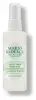
Mario Badescu Facial Spray With Aloe, Adaptogens And Coconut Water Versus Round Lab Pine Tree Cica Soothing Body Mist
This hydrating essence is formulated around Aloe Barbadensis Leaf Juice and Niacinamide to hydrate skin and calm redness.


What's inside
What's inside
 Key Ingredients
Benefits
Concerns
Ingredients Side-by-side
Water
Skin ConditioningAloe Barbadensis Leaf Juice
Skin Conditioning


Niacinamide
Smoothing









Sodium Hyaluronate
Humectant
Cocos Nucifera Water
Masking
Acanthopanax Senticosus Root Extract
Skin ConditioningInonotus Obliquus Extract
Skin ConditioningRhaponticum Carthamoides Root Extract
Skin ConditioningRhodiola Rosea Extract
EmollientSelaginella Lepidophylla Extract
EmollientSodium Benzoate
Masking
Sodium Sulfite
Preservative
Trehalose
Humectant
Potassium Sorbate
Preservative
PPG-5-Ceteth-20
Emulsifying1,2-Hexanediol
Skin Conditioning
Maltodextrin
Absorbent
Caprylyl Glycol
Emollient
Phenoxyethanol
Preservative
Citric Acid
Buffering

Water, Aloe Barbadensis Leaf Juice, Niacinamide, Sodium Hyaluronate, Cocos Nucifera Water, Acanthopanax Senticosus Root Extract, Inonotus Obliquus Extract, Rhaponticum Carthamoides Root Extract, Rhodiola Rosea Extract, Selaginella Lepidophylla Extract, Sodium Benzoate, Sodium Sulfite, Trehalose, Potassium Sorbate, PPG-5-Ceteth-20, 1,2-Hexanediol, Maltodextrin, Caprylyl Glycol, Phenoxyethanol, Citric Acid
Water
Skin ConditioningPinus Densiflora Leaf Extract
Antimicrobial
Butylene Glycol
Humectant
Niacinamide
Smoothing
Pentylene Glycol
Skin Conditioning
1,2-Hexanediol
Skin Conditioning
Chamaecyparis Obtusa Leaf Extract
Skin ConditioningOriganum Vulgare Leaf Extract
Skin ConditioningSalix Alba Bark Extract
Astringent
Cinnamomum Cassia Bark Extract
Masking
Lactobacillus/Soybean Ferment Extract
Skin ConditioningPortulaca Oleracea Extract
Skin Conditioning
Scutellaria Baicalensis Root Extract
Astringent
Centella Asiatica Extract
Cleansing
Ethylhexylglycerin
Skin ConditioningAllantoin
Skin Conditioning
Betaine
Humectant
Panthenol
Skin Conditioning
Glycoproteins
Skin Conditioning
Sodium Hyaluronate
Humectant
Hydrolyzed Hyaluronic Acid
Humectant
Sodium Acetylated Hyaluronate
Humectant
Asiaticoside
Antioxidant
Asiatic Acid
Skin Conditioning
Madecassic Acid
Skin Conditioning
Madecassoside
Antioxidant
Gluconolactone
Skin Conditioning
Octyldodeceth-16
EmulsifyingSalicylic Acid
Masking


Citric Acid
Buffering
Diethoxyethyl Succinate
SolventCitrus Limon Fruit Extract
Masking
Citrus Nobilis Oil
Masking
Lavandula Angustifolia Oil
Masking


Eucalyptus Globulus Leaf Oil
Perfuming
Juniperus Mexicana Oil
Masking
Pinus Palustris Oil
Masking
Disodium EDTA
Limonene
Perfuming
Linalool
Perfuming
Water, Pinus Densiflora Leaf Extract, Butylene Glycol, Niacinamide, Pentylene Glycol, 1,2-Hexanediol, Chamaecyparis Obtusa Leaf Extract, Origanum Vulgare Leaf Extract, Salix Alba Bark Extract, Cinnamomum Cassia Bark Extract, Lactobacillus/Soybean Ferment Extract, Portulaca Oleracea Extract, Scutellaria Baicalensis Root Extract, Centella Asiatica Extract, Ethylhexylglycerin, Allantoin, Betaine, Panthenol, Glycoproteins, Sodium Hyaluronate, Hydrolyzed Hyaluronic Acid, Sodium Acetylated Hyaluronate, Asiaticoside, Asiatic Acid, Madecassic Acid, Madecassoside, Gluconolactone, Octyldodeceth-16, Salicylic Acid, Citric Acid, Diethoxyethyl Succinate, Citrus Limon Fruit Extract, Citrus Nobilis Oil, Lavandula Angustifolia Oil, Eucalyptus Globulus Leaf Oil, Juniperus Mexicana Oil, Pinus Palustris Oil, Disodium EDTA, Limonene, Linalool
Reviews
Ingredients Explained
These ingredients are found in both products.
Ingredients higher up in an ingredient list are typically present in a larger amount.
1,2-Hexanediol is a synthetic liquid and another multi-functional powerhouse.
It is a:
- Humectant, drawing moisture into the skin
- Emollient, helping to soften skin
- Solvent, dispersing and stabilizing formulas
- Preservative booster, enhancing the antimicrobial activity of other preservatives
Citric Acid is an alpha hydroxy acid (AHA) naturally found in citrus fruits like oranges, lemons, and limes.
Like other AHAs, citric acid can exfoliate skin by breaking down the bonds that hold dead skin cells together. This helps reveal smoother and brighter skin underneath.
However, this exfoliating effect only happens at high concentrations (20%) which can be hard to find in cosmetic products.
Due to this, citric acid is usually included in small amounts as a pH adjuster. This helps keep products slightly more acidic and compatible with skin's natural pH.
In skincare formulas, citric acid can:
While it can provide some skin benefits, research shows lactic acid and glycolic acid are generally more effective and less irritating exfoliants.
Most citric acid used in skincare today is made by fermenting sugars (usually from molasses). This synthetic version is identical to the natural citrus form but easier to stabilize and use in formulations.
Read more about some other popular AHA's here:
Learn more about Citric AcidNiacinamide is a multitasking form of vitamin B3 that strengthens the skin barrier, reduces pores and dark spots, regulates oil, and improves signs of aging.
And the best part? It's gentle and well-tolerated by most skin types, including sensitive and reactive skin.
You might have heard of "niacin flush", or the reddening of skin that causes itchiness. Niacinamide has not been found to cause this.
In very rare cases, some individuals may not be able to tolerate niacinamide at all or experience an allergic reaction to it.
If you are experiencing flaking, irritation, and dryness with this ingredient, be sure to double check all your products as this ingredient can be found in all categories of skincare.
When incorporating niacinamide into your routine, look out for concentration amounts. Typically, 5% niacinamide provides benefits such as fading dark spots. However, if you have sensitive skin, it is better to begin with a smaller concentration.
When you apply niacinamide to your skin, your body converts it into nicotinamide adenine dinucleotide (NAD). NAD is an essential coenzyme that is already found in your cells as "fuel" and powers countless biological processes.
In your skin, NAD helps repair cell damage, produce new healthy cells, support collagen production, strengthen the skin barrier, and fight environmental stressors (like UV and pollution).
Our natural NAD levels start to decline with age, leading to slower skin repair, visible aging, and a weaker skin barrier. By providing your skin niacinamide, you're recharging your skin's NAD levels. This leads to stronger, healthier, and younger looking skin.
Another name for vitamin B3 is nicotinamide. This vitamin is water-soluble and our bodies don't store it. We obtain Vitamin B3 from either food or skincare. Meat, fish, wheat, yeast, and leafy greens contain vitamin B3.
The type of niacinamide used in skincare is synthetically created.
Learn more about NiacinamideSodium Hyaluronate is the salt form of hyaluronic acid. It is a long sugar chain that is naturally found in your skin, joints, and connective tissue that maintains hydration and elasticity.
In skincare, it works as a humectant. It pulls water from the environment and deeper layers of skin and binds it to the surface.
Interestingly, the size of the molecule affects its behavior:
Some clinical evidence links low molecular weight versions to improved wrinkle depth, elasticity, anti-inflammatory effects, and barrier repair.
Many serums use a blend of both weights so you can get surface hydration plus longer-lasting and deeper effects.
You'll typically see concentrations between 0.1-2% for this ingredient.
Learn more about Sodium HyaluronateWater. It's the most common cosmetic ingredient of all. You'll usually see it at the top of ingredient lists, meaning that it makes up the largest part of the product.
So why is it so popular? Water most often acts as a solvent - this means that it helps dissolve other ingredients into the formulation.
You'll also recognize water as that liquid we all need to stay alive. If you see this, drink a glass of water. Remember to stay hydrated!
Learn more about Water

