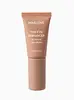
This anti-aging eye moisturizer is formulated around Niacinamide and Caffeine to soften the look of wrinkles.
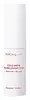
This anti-aging eye moisturizer is formulated around Camellia Sinensis Leaf Extract and Acetyl Octapeptide-3 to soften the look of wrinkles and hydrate skin.


What's inside
What's inside
 Key Ingredients
Benefits
Concerns
Ingredients Side-by-side
Water
Skin ConditioningAloe Barbadensis Leaf Juice
Skin Conditioning


Lycium Barbarum Fruit Extract
Astringent
Vitis Vinifera Skin Extract
Antioxidant
Cucumis Sativus Seed
Exfoliating
Glycerin
Humectant

Squalane
Emollient
Helianthus Annuus Seed Oil
Emollient


Malus Baccata Fruit/Leaf/Stem Extract
Skin ConditioningArgania Spinosa Sprout Cell Extract
Skin ConditioningCamellia Oleifera Leaf Extract
AstringentNiacinamide
Smoothing






Panthenol
Skin Conditioning
Sodium Hyaluronate
Humectant
Caffeine
Skin Conditioning
Acacia Senegal Gum
MaskingCaprylyl Glycol
Emollient
Tetrahexyldecyl Ascorbate
Antioxidant
Acetyl Tetrapeptide-5
Humectant
Butylene Glycol
Humectant
Acetyl Hexapeptide-8
Humectant
Tocopherol
Antioxidant
Carbomer
Emulsion StabilisingAmmonium Acryloyldimethyltaurate/Vp Copolymer
Phenoxyethanol
Preservative
Sodium Hydroxide
BufferingWater, Aloe Barbadensis Leaf Juice, Lycium Barbarum Fruit Extract, Vitis Vinifera Skin Extract, Cucumis Sativus Seed, Glycerin, Squalane, Helianthus Annuus Seed Oil, Malus Baccata Fruit/Leaf/Stem Extract, Argania Spinosa Sprout Cell Extract, Camellia Oleifera Leaf Extract, Niacinamide, Panthenol, Sodium Hyaluronate, Caffeine, Acacia Senegal Gum, Caprylyl Glycol, Tetrahexyldecyl Ascorbate, Acetyl Tetrapeptide-5, Butylene Glycol, Acetyl Hexapeptide-8, Tocopherol, Carbomer, Ammonium Acryloyldimethyltaurate/Vp Copolymer, Phenoxyethanol, Sodium Hydroxide
Water
Skin ConditioningPropanediol
Solvent
Sodium Stearate
Cleansing1,2-Hexanediol
Skin Conditioning
CI 77891
Cosmetic ColorantCamellia Sinensis Leaf Extract
Antimicrobial
Acetyl Octapeptide-3
Humectant
Actinidia Chinensis Fruit Extract
EmollientCucumis Sativus Fruit Extract
Emollient
Rubus Fruticosus Fruit Extract
AstringentVaccinium Angustifolium Fruit Extract
Skin Protecting
Vaccinium Macrocarpon Fruit Extract
AstringentSodium Hyaluronate
Humectant
Caffeine
Skin Conditioning
Solanum Melongena Fruit Extract
Skin ConditioningJuniperus Communis Fruit Extract
Perfuming
Aristotelia Chilensis Fruit Extract
Skin ConditioningLycium Chinense Fruit Extract
Antioxidant
Rubus Idaeus Fruit Extract
AstringentEuterpe Oleracea Fruit Extract
Fragaria Chiloensis Fruit Extract
Skin Conditioning
Morus Alba Fruit Extract
Antioxidant
Ribes Nigrum Fruit Extract
Astringent
Rubus Coreanus Fruit Extract
Skin ConditioningPanthenol
Skin Conditioning
Coccinia Indica Fruit Extract
Skin Conditioning
Ocimum Sanctum Leaf Extract
Skin ConditioningMoringa Oleifera Seed Extract
Skin Conditioning
Nelumbo Nucifera Flower Extract
Skin ConditioningCorallina Officinalis Extract
Skin Conditioning

Curcuma Longa Root Extract
Antioxidant
Adenosine
Skin Conditioning
Vaccinium Myrtillus Fruit Extract
Skin ConditioningButylene Glycol
Humectant
Casein Extract
Skin ConditioningGlycerin
Humectant
Niacinamide
Smoothing
Pantothenic Acid
Skin ConditioningAscorbic Acid
Antioxidant
Linolenic Acid
Cleansing
Biotin
AntiseborrhoeicTocopheryl Acetate
Antioxidant
Cyanocobalamin
Skin ConditioningAloe Barbadensis Flower Extract
EmollientSodium PCA
Humectant
Capryloyl Glycerin/Sebacic Acid Copolymer
Skin ConditioningXanthan Gum
EmulsifyingMelia Azadirachta Leaf Extract
Skin ConditioningEthylhexylglycerin
Skin ConditioningMelia Azadirachta Flower Extract
Skin ConditioningTrisodium Ethylenediamine Disuccinate
ChelatingCaprylyl Glycol
Emollient
Synthetic Fluorphlogopite
Diheptyl Succinate
EmollientWater, Propanediol, Sodium Stearate, 1,2-Hexanediol, CI 77891, Camellia Sinensis Leaf Extract, Acetyl Octapeptide-3, Actinidia Chinensis Fruit Extract, Cucumis Sativus Fruit Extract, Rubus Fruticosus Fruit Extract, Vaccinium Angustifolium Fruit Extract, Vaccinium Macrocarpon Fruit Extract, Sodium Hyaluronate, Caffeine, Solanum Melongena Fruit Extract, Juniperus Communis Fruit Extract, Aristotelia Chilensis Fruit Extract, Lycium Chinense Fruit Extract, Rubus Idaeus Fruit Extract, Euterpe Oleracea Fruit Extract, Fragaria Chiloensis Fruit Extract, Morus Alba Fruit Extract, Ribes Nigrum Fruit Extract, Rubus Coreanus Fruit Extract, Panthenol, Coccinia Indica Fruit Extract, Ocimum Sanctum Leaf Extract, Moringa Oleifera Seed Extract, Nelumbo Nucifera Flower Extract, Corallina Officinalis Extract, Curcuma Longa Root Extract, Adenosine, Vaccinium Myrtillus Fruit Extract, Butylene Glycol, Casein Extract, Glycerin, Niacinamide, Pantothenic Acid, Ascorbic Acid, Linolenic Acid, Biotin, Tocopheryl Acetate, Cyanocobalamin, Aloe Barbadensis Flower Extract, Sodium PCA, Capryloyl Glycerin/Sebacic Acid Copolymer, Xanthan Gum, Melia Azadirachta Leaf Extract, Ethylhexylglycerin, Melia Azadirachta Flower Extract, Trisodium Ethylenediamine Disuccinate, Caprylyl Glycol, Synthetic Fluorphlogopite, Diheptyl Succinate
Ingredients Explained
These ingredients are found in both products.
Ingredients higher up in an ingredient list are typically present in a larger amount.
Butylene Glycol (or BG) is used within cosmetic products for a few different reasons:
Overall, Butylene Glycol is a safe and well-rounded ingredient that works well with other ingredients.
Though this ingredient works well with most skin types, some people with sensitive skin may experience a reaction such as allergic rashes, closed comedones, or itchiness.
Learn more about Butylene GlycolCaffeine is a naturally occurring plant compound found in coffee beans, tea leaves, cocoa pods, and guarana.
As an antioxidant, caffeine protects your skin from free radical damage caused by UV exposure and envionrmnetal stressors.
Early research also shows that caffeine can help calm redness, soothe irritated skin, and support hair growth by stimulating microcirculation in the scalp.
You might have seen eye creams marketing caffeine as a depuffing ingredient. This is because it is a vasoconstrictor meaning it can temporarily constrict blood vessels, though clinical evidence for this specific use is still limited.
Most skincare products contain this ingredient at concentrations between 1-6%. It is able to penetrate skin easily regardless of skin type or thickness.
Just so you know, a very small number of case reports describe caffeine-induced allergy. This ingredient is generally well-tolerated, non-irritating, and non-sensitizing for the majority of people.
Learn more about CaffeineCaprylyl Glycol is a humectant, skin conditioner, emollient, and preservative booster derived from either caprylic acid or synthetically created.
Typical use levels vary from 0.3-1% as a preservative booster and go up to 2% to condition skin.
Because it is not a free-fatty acid, this ingredient is fungal acne safe (there's nothing for Malassezia to feed on).
Learn more about Caprylyl GlycolGlycerin (or glycerol) is a compound naturally found in your skin. It's a powerhouse humectant that pulls water into the stratum corneum.
Topically, glycerin does several things at once:
Your skin makes glycerin on its own (mostly from sebaceous oil breakdown) and shuttles it to your outermost layer of skin, or your epidermis, via aquaporin-3.
Aquaporin-3 is a transporter that is essential for normal skin hydration, elasticity, and repair. Interestingly, mice lacking in AQP3 have dry and less elastic skin that can be fully corrected with glycerin.
This ingredient is non-irritating, plays well with almost every ingredient, and works across all skin types. Typical use is anywhere between 3-10% but can go up to 79% in some leave-on products.
Just know very high concentrations (>40%) can feel tacky in low humidity.
Glycerin is the name for this ingredient in American English. British English uses Glycerol/Glycerine.
Learn more about GlycerinNiacinamide is a multitasking form of vitamin B3 that strengthens the skin barrier, reduces pores and dark spots, regulates oil, and improves signs of aging.
And the best part? It's gentle and well-tolerated by most skin types, including sensitive and reactive skin.
You might have heard of "niacin flush", or the reddening of skin that causes itchiness. Niacinamide has not been found to cause this.
In very rare cases, some individuals may not be able to tolerate niacinamide at all or experience an allergic reaction to it.
If you are experiencing flaking, irritation, and dryness with this ingredient, be sure to double check all your products as this ingredient can be found in all categories of skincare.
When incorporating niacinamide into your routine, look out for concentration amounts. Typically, 5% niacinamide provides benefits such as fading dark spots. However, if you have sensitive skin, it is better to begin with a smaller concentration.
When you apply niacinamide to your skin, your body converts it into nicotinamide adenine dinucleotide (NAD). NAD is an essential coenzyme that is already found in your cells as "fuel" and powers countless biological processes.
In your skin, NAD helps repair cell damage, produce new healthy cells, support collagen production, strengthen the skin barrier, and fight environmental stressors (like UV and pollution).
Our natural NAD levels start to decline with age, leading to slower skin repair, visible aging, and a weaker skin barrier. By providing your skin niacinamide, you're recharging your skin's NAD levels. This leads to stronger, healthier, and younger looking skin.
Another name for vitamin B3 is nicotinamide. This vitamin is water-soluble and our bodies don't store it. We obtain Vitamin B3 from either food or skincare. Meat, fish, wheat, yeast, and leafy greens contain vitamin B3.
The type of niacinamide used in skincare is synthetically created.
Learn more about NiacinamidePanthenol is a common ingredient that helps hydrate and soothe the skin. It is found naturally in our skin and hair.
There are two forms of panthenol: D and L.
D-panthenol is also known as dexpanthenol. Most cosmetics use dexpanthenol or a mixture of D and L-panthenol.
Panthenol is famous due to its ability to go deeper into the skin's layers. Using this ingredient has numerous pros (and no cons):
Like hyaluronic acid, panthenol is a humectant. Humectants are able to bind and hold large amounts of water to keep skin hydrated.
This ingredient works well for wound healing. It works by increasing tissue in the wound and helps close open wounds.
Once oxidized, panthenol converts to pantothenic acid. Panthothenic acid is found in all living cells.
This ingredient is also referred to as pro-vitamin B5.
Learn more about PanthenolSodium Hyaluronate is the salt form of hyaluronic acid. It is a long sugar chain that is naturally found in your skin, joints, and connective tissue that maintains hydration and elasticity.
In skincare, it works as a humectant. It pulls water from the environment and deeper layers of skin and binds it to the surface.
Interestingly, the size of the molecule affects its behavior:
Some clinical evidence links low molecular weight versions to improved wrinkle depth, elasticity, anti-inflammatory effects, and barrier repair.
Many serums use a blend of both weights so you can get surface hydration plus longer-lasting and deeper effects.
You'll typically see concentrations between 0.1-2% for this ingredient.
Learn more about Sodium HyaluronateWater. It's the most common cosmetic ingredient of all. You'll usually see it at the top of ingredient lists, meaning that it makes up the largest part of the product.
So why is it so popular? Water most often acts as a solvent - this means that it helps dissolve other ingredients into the formulation.
You'll also recognize water as that liquid we all need to stay alive. If you see this, drink a glass of water. Remember to stay hydrated!
Learn more about Water

