Madara Botanic Niacinamide Alternative Serum Versus SKIN1004 Madagascar Centella Tone Brightening Capsule Ampoule
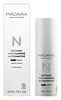
This brightening serum is formulated around Aloe Barbadensis Leaf Juice and Alpha-Arbutin to brighten dull-looking skin and fade the look of dark spots.
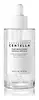
This brightening ampoule is formulated around Niacinamide and Tranexamic Acid to brighten dull-looking skin and fade the look of dark spots.


What's inside
What's inside
 Key Ingredients
Benefits
Concerns
No concerns
Ingredients Side-by-side
Aloe Barbadensis Leaf Juice
Skin Conditioning


Glycerin
Humectant

Simmondsia Chinensis Seed Oil
Emollient


Pentylene Glycol
Skin Conditioning
Cantharellus Cibarius Extract
Skin ConditioningPropanediol
Solvent
Isoamyl Laurate
Emollient
Sodium PCA
Humectant
Water
Skin ConditioningGlyceryl Stearate Citrate
Emollient
Sclerotium Gum
Emulsion StabilisingAlpha-Arbutin
Antioxidant



Hydrolyzed Rhodophyceae Extract
Alcohol
Antimicrobial



Aroma


Ilex Paraguariensis Leaf Extract
Perfuming
Rhodomyrtus Tomentosa Fruit Extract
HumectantXanthan Gum
EmulsifyingCellulose
Absorbent
Ascorbyl Palmitate
Antioxidant
Potassium Hydroxide
BufferingTocopherol
Antioxidant

Ascophyllum Nodosum Extract
Skin Conditioning
Hydrolyzed Hyaluronic Acid
Humectant
Sodium Hyaluronate
Humectant
Sodium Phytate
ChelatingCetraria Islandica Thallus Extract
HumectantUsnea Barbata Extract
Rhamnose
HumectantJuniperus Communis Callus Extract
Antioxidant
Glucose
Humectant
Glucuronic Acid
Buffering
Sodium Benzoate
Masking
Potassium Sorbate
Preservative
Linalyl Acetate
Masking
Citrus Limon Peel Oil
Masking
Limonene
Perfuming
Citrus Aurantium Peel Oil
Linalool
Perfuming
Geraniol
Perfuming
Pinene
Masking
Citral
Perfuming
Aloe Barbadensis Leaf Juice, Glycerin, Simmondsia Chinensis Seed Oil, Pentylene Glycol, Cantharellus Cibarius Extract, Propanediol, Isoamyl Laurate, Sodium PCA, Water, Glyceryl Stearate Citrate, Sclerotium Gum, Alpha-Arbutin, Hydrolyzed Rhodophyceae Extract, Alcohol, Aroma, Ilex Paraguariensis Leaf Extract, Rhodomyrtus Tomentosa Fruit Extract, Xanthan Gum, Cellulose, Ascorbyl Palmitate, Potassium Hydroxide, Tocopherol, Ascophyllum Nodosum Extract, Hydrolyzed Hyaluronic Acid, Sodium Hyaluronate, Sodium Phytate, Cetraria Islandica Thallus Extract, Usnea Barbata Extract, Rhamnose, Juniperus Communis Callus Extract, Glucose, Glucuronic Acid, Sodium Benzoate, Potassium Sorbate, Linalyl Acetate, Citrus Limon Peel Oil, Limonene, Citrus Aurantium Peel Oil, Linalool, Geraniol, Pinene, Citral
Water
Skin ConditioningButylene Glycol
Humectant
Niacinamide
Smoothing



Glycerin
Humectant
Tranexamic Acid
Astringent
1,2-Hexanediol
Skin Conditioning
Betaine
Humectant
Centella Asiatica Extract
Cleansing
Zea Mays Starch
Absorbent
Xanthan Gum
EmulsifyingMicrocrystalline Cellulose
AbsorbentMannitol
Humectant
Panthenol
Skin Conditioning
Pentylene Glycol
Skin Conditioning
Ethylhexylglycerin
Skin ConditioningHydroxyethylcellulose
Emulsion StabilisingMadecassoside
Antioxidant
Acrylates/C10-30 Alkyl Acrylate Crosspolymer
Emulsion StabilisingArginine
Masking
Hydrogenated Lecithin
Emulsifying
Xylitylglucoside
Humectant
Anhydroxylitol
Humectant
Xylitol
Humectant
Glucose
Humectant
3-O-Ethyl Ascorbic Acid
Skin Conditioning
Lactobacillus Ferment
Skin Conditioning
Water, Butylene Glycol, Niacinamide, Glycerin, Tranexamic Acid, 1,2-Hexanediol, Betaine, Centella Asiatica Extract, Zea Mays Starch, Xanthan Gum, Microcrystalline Cellulose, Mannitol, Panthenol, Pentylene Glycol, Ethylhexylglycerin, Hydroxyethylcellulose, Madecassoside, Acrylates/C10-30 Alkyl Acrylate Crosspolymer, Arginine, Hydrogenated Lecithin, Xylitylglucoside, Anhydroxylitol, Xylitol, Glucose, 3-O-Ethyl Ascorbic Acid, Lactobacillus Ferment
Reviews
Ingredients Explained
These ingredients are found in both products.
Ingredients higher up in an ingredient list are typically present in a larger amount.
Glucose is a simple sugar (a monosaccharide). In skincare, it is mostly a humectant and skin conditioning agent.
Mechanistically, it has multiple hydroxyl groups that hydrogen-bond to water. This pulls moisture into the upper layers of skin to keep the surface soft and hydrated.
It's worth knowing sugars are already a natural component of the skin's NMF (natural moisturizing factor) so it's a molecule that your stratum corneum is well-acquainted with.
Just so you know, glucose is hydrophilic (water-loving) and the stratum corneum is a strong barrier to hydrophilic compounds. This just means penetration is slow and most of the action is happening on the surface.
Gram-to-gram, glucose is not as efficient as a humectant as glycerin. This is why you'll likely see glycose paired with stronger humectants for a bigger hydration payoff.
In skincare, glucose is typically derived from corn or other starch sources.
Learn more about GlucoseGlycerin (or glycerol) is a compound naturally found in your skin. It's a powerhouse humectant that pulls water into the stratum corneum.
Topically, glycerin does several things at once:
Your skin makes glycerin on its own (mostly from sebaceous oil breakdown) and shuttles it to your outermost layer of skin, or your epidermis, via aquaporin-3.
Aquaporin-3 is a transporter that is essential for normal skin hydration, elasticity, and repair. Interestingly, mice lacking in AQP3 have dry and less elastic skin that can be fully corrected with glycerin.
This ingredient is non-irritating, plays well with almost every ingredient, and works across all skin types. Typical use is anywhere between 3-10% but can go up to 79% in some leave-on products.
Just know very high concentrations (>40%) can feel tacky in low humidity.
Glycerin is the name for this ingredient in American English. British English uses Glycerol/Glycerine.
Learn more about GlycerinPentylene Glycol (1,2-pentanediol) is a multitasking little diol with three main roles in a formula:
Research on alkanediols (the family pentylene glycol belongs to) show they work by disrupting microbial cell membranes. This disruption helps the primary preservative system in a product work more effectively at lower doses.
On the safety side, the Cosmetic Ingredient Review Expert Panel has concluded this ingredient to be safe as used in current cosmetic practices + concentrations.
Typical use levels in a formula run about 1-5%.
Learn more about Pentylene GlycolWater. It's the most common cosmetic ingredient of all. You'll usually see it at the top of ingredient lists, meaning that it makes up the largest part of the product.
So why is it so popular? Water most often acts as a solvent - this means that it helps dissolve other ingredients into the formulation.
You'll also recognize water as that liquid we all need to stay alive. If you see this, drink a glass of water. Remember to stay hydrated!
Learn more about WaterXanthan gum is used as a stabilizer and thickener within cosmetic products. It helps give products a sticky, thick feeling - preventing them from being too runny.
On the technical side of things, xanthan gum is a polysaccharide - a combination consisting of multiple sugar molecules bonded together.
Xanthan gum is a pretty common and great ingredient. It is a natural, non-toxic, non-irritating ingredient that is also commonly used in food products.
Learn more about Xanthan Gum

