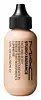
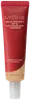
Mac Cosmetics Studio Radiance Face and Body Foundation Versus Missha M Perfect Cover BB Cream SPF42 PA+++


What's inside
What's inside
 Key Ingredients
Benefits
Concerns
Ingredients Side-by-side
Water
Skin ConditioningDimethicone
Emollient

Hydrogenated Polyisobutene
EmollientButylene Glycol
Humectant

Vp/Hexadecene Copolymer
Stearic Acid
Cleansing


Phenyl Trimethicone
Skin Conditioning
Polyglyceryl-3 Diisostearate
Emulsifying

Ethylhexyl Hydroxystearate
Emollient
Vp/Eicosene Copolymer
Talc
Abrasive
Trimethylsiloxysilicate
Emollient
Tocopherol
Antioxidant





Tocopheryl Acetate
Antioxidant
Fusanus Spicatus Wood Oil
Masking
Citrus Aurantium Dulcis Peel Oil
Masking
Magnesium Aluminum Silicate
Absorbent
Triethanolamine
BufferingPolysorbate 20
Emulsifying
Xanthan Gum
EmulsifyingCetyl Alcohol
Emollient

Farnesol
Perfuming

Disodium EDTA
Phenoxyethanol
Preservative
Chlorphenesin
Antimicrobial
Mica
Cosmetic ColorantCI 77891
Cosmetic ColorantCI 77491
Cosmetic ColorantCI 77492
Cosmetic ColorantCI 77499
Cosmetic ColorantWater, Dimethicone, Hydrogenated Polyisobutene, Butylene Glycol, Vp/Hexadecene Copolymer, Stearic Acid, Phenyl Trimethicone, Polyglyceryl-3 Diisostearate, Ethylhexyl Hydroxystearate, Vp/Eicosene Copolymer, Talc, Trimethylsiloxysilicate, Tocopherol, Tocopheryl Acetate, Fusanus Spicatus Wood Oil, Citrus Aurantium Dulcis Peel Oil, Magnesium Aluminum Silicate, Triethanolamine, Polysorbate 20, Xanthan Gum, Cetyl Alcohol, Farnesol, Disodium EDTA, Phenoxyethanol, Chlorphenesin, Mica, CI 77891, CI 77491, CI 77492, CI 77499
Water
Skin ConditioningCyclomethicone
Emollient
Ethylhexyl Methoxycinnamate
UV Absorber

Zinc Oxide
Cosmetic Colorant
Propylene Glycol
Humectant
Titanium Dioxide
Cosmetic Colorant
Caprylic/Capric Triglyceride
Masking
PEG-10 Dimethicone
Skin Conditioning
Cetyl PEG/PPG-10/1 Dimethicone
Emulsifying
Arbutin
Antioxidant
Paraffinum Liquidum
Emollient
Glycerin
Humectant
CI 77492
Cosmetic ColorantPolyethylene
Abrasive
Talc
Abrasive
Phenyl Trimethicone
Skin Conditioning
Beeswax
Emulsion Stabilising
Sodium Chloride
MaskingCI 77491
Cosmetic ColorantCI 77499
Cosmetic ColorantMethylparaben
Preservative
Dimethicone
Emollient
Propylparaben
Preservative
Rosa Canina Fruit Oil
Emollient
Simmondsia Chinensis Seed Oil
Emollient
Squalane
Emollient
Hydrolyzed Collagen
Emollient
Macadamia Ternifolia Seed Oil
Emollient
Disodium EDTA
Adenosine
Skin Conditioning
Algae Extract
EmollientRosmarinus Officinalis Leaf Extract
AntimicrobialChamomilla Recutita Flower Extract
Masking
Sodium Hyaluronate
Humectant
Fagus Sylvatica Bud Extract
TonicCeramide NP
Skin Conditioning
Parfum
Masking
Hydroxyisohexyl 3-Cyclohexene Carboxaldehyde
Masking
Butylphenyl Methylpropional
Perfuming
Benzyl Salicylate
Perfuming
Hydroxycitronellal
Perfuming
Alpha-Isomethyl Ionone
Perfuming
Hexyl Cinnamal
Perfuming
Linalool
Perfuming
Citronellol
Perfuming
Water, Cyclomethicone, Ethylhexyl Methoxycinnamate, Zinc Oxide, Propylene Glycol, Titanium Dioxide, Caprylic/Capric Triglyceride, PEG-10 Dimethicone, Cetyl PEG/PPG-10/1 Dimethicone, Arbutin, Paraffinum Liquidum, Glycerin, CI 77492, Polyethylene, Talc, Phenyl Trimethicone, Beeswax, Sodium Chloride, CI 77491, CI 77499, Methylparaben, Dimethicone, Propylparaben, Rosa Canina Fruit Oil, Simmondsia Chinensis Seed Oil, Squalane, Hydrolyzed Collagen, Macadamia Ternifolia Seed Oil, Disodium EDTA, Adenosine, Algae Extract, Rosmarinus Officinalis Leaf Extract, Chamomilla Recutita Flower Extract, Sodium Hyaluronate, Fagus Sylvatica Bud Extract, Ceramide NP, Parfum, Hydroxyisohexyl 3-Cyclohexene Carboxaldehyde, Butylphenyl Methylpropional, Benzyl Salicylate, Hydroxycitronellal, Alpha-Isomethyl Ionone, Hexyl Cinnamal, Linalool, Citronellol
Reviews
Ingredients Explained
These ingredients are found in both products.
Ingredients higher up in an ingredient list are typically present in a larger amount.
Ci 77491 is also hydrated iron III oxide. It's sole purpose is to give a red/pink hue to products.
Iron III oxides are classified as inorganic chemicals for coloring.
Synthetically created Ci 77491 is considered safer than those naturally found. This is because the synthetically created version may contain less impurities. Iron oxides are generally non-toxic and non-allergenic.
Learn more about CI 77491CI 77492 is also hydrated iron III oxide. It's sole purpose is to give a yellow hue to products.
Iron III oxides are classified as inorganic chemicals for coloring.
Synthetically created CI 77492 is considered safer than those naturally found. This is because the synthetically created version may contain less impurities. Iron oxides are generally non-toxic and non-allergenic.
Learn more about CI 77492Ci 77499 is also hydrated iron III oxide. It is created from mixing red and black iron oxides. This helps give shades of darkness to a product.
Iron III oxides are classified as inorganic chemicals for coloring.
Dimethicone is a type of synthetic silicone created from natural materials such as quartz. It is also known as polydimethylsiloxane.
What it does:
Dimethicone comes in different viscosities:
Depending on the viscosity, dimethicone has different properties.
Ingredients lists don't always show which type is used, so we recommend reaching out to the brand if you have questions about the viscosity.
This ingredient is unlikely to cause irritation because it does not get absorbed into skin. However, people with silicone allergies should be careful about using this ingredient.
Note: Dimethicone may contribute to pilling. This is because it is not oil or water soluble, so pilling may occur when layered with products. When mixed with heavy oils in a formula, the outcome is also quite greasy.
Learn more about DimethiconeDisodium EDTA is a chelating agent. It grabs onto and deactivates metal ions that sneak into your products from water, packaging, or air.
This ingredient mainly works behind the scenes and helps with:
On top of that, this ingredient can counteract the effects of hard water by binding to the minerals in it.
One thing worth knowing is that Disodium EDTA has been shown to be a mild penetration enhancer. It can help other ingredients absorb into skin more effectively which can be a double-edged sword (great for actives, but can also make the active too strong if you have sensitive skin).
Clinical patch testing showed no significant skin irritation at typical use concentrations and minimal dermal absorption.
You'll most likely see this ingredient near the end of an ingredient list. It's typically found in concentrations less than 1%.
Learn more about Disodium EDTAPhenyl Trimethicone is a silicon-based polymer. It is derived from silica.
Phenyl Trimethicone is used as an emollient and prevents products from foaming.
As an emollient, it helps trap moisture in the skin. It is considered an occlusive.
Learn more about Phenyl TrimethiconeTalc is a clay mineral. It helps absorb moisture and improve the texture of products. Like other types of clay, Talc can have a slight exfoliating effect on skin. Talc can be added to increase the volume of products.
Some Baby powders are made by combining talc with corn starch. The word "talc" comes from Latin and originates from Arabic. Talc is a mineral commonly found throughout the world.
If you have any concerns about using talc, we recommend checking out the FDA's official page.
Learn more about TalcWater. It's the most common cosmetic ingredient of all. You'll usually see it at the top of ingredient lists, meaning that it makes up the largest part of the product.
So why is it so popular? Water most often acts as a solvent - this means that it helps dissolve other ingredients into the formulation.
You'll also recognize water as that liquid we all need to stay alive. If you see this, drink a glass of water. Remember to stay hydrated!
Learn more about Water

