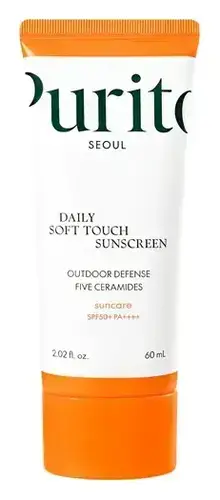
This chemical sunscreen covers the full UV range and blocks ~98% of UVB at SPF 50.
This chemical sunscreen covers burning UVB and near UVA but not the deep UVA that drives aging.


What's inside
What's inside
 Key Ingredients
Benefits
Concerns
Ingredients Side-by-side
Water
Skin ConditioningGalactomyces Ferment Filtrate 10%
Humectant







Glycerin
Humectant
Butylene Glycol
Humectant
C12-15 Alkyl Benzoate
Antimicrobial1,2-Hexanediol
Skin Conditioning
Diethylamino Hydroxybenzoyl Hexyl Benzoate
UV Filter
Niacinamide
Smoothing





Polymethyl Methacrylate
Behenyl Alcohol
Emollient
Bis-Ethylhexyloxyphenol Methoxyphenyl Triazine
UV Absorber
Betula Platyphylla Japonica Juice
Skin Conditioning
Glucose
Humectant
Sodium Hyaluronate
Humectant
Hydrolyzed Hyaluronic Acid
Humectant
Hyaluronic Acid
Humectant
Hydrolyzed Collagen
Emollient
Sodium Hyaluronate Crosspolymer
Humectant
Potassium Hyaluronate
Skin ConditioningSodium Acetylated Hyaluronate
Humectant
Hydroxypropyltrimonium Hyaluronate
Xylitol
Humectant
Xylitylglucoside
Humectant
Ceramide NP
Skin Conditioning
Ammonium Acryloyldimethyltaurate/Beheneth-25 Methacrylate Crosspolymer
Emulsion StabilisingSodium Acrylate/Sodium Acryloyldimethyl Taurate Copolymer
Emulsion StabilisingPolyisobutene
Potassium Cetyl Phosphate
EmulsifyingFructan
Skin ConditioningAnhydroxylitol
Humectant
Pentylene Glycol
Skin Conditioning
Ethylhexylglycerin
Skin ConditioningCaprylic/Capric Triglyceride
Masking
Ascorbyl Tetraisopalmitate
Antioxidant

Hydrogenated Lecithin
Emulsifying
Water, Galactomyces Ferment Filtrate 10%, Glycerin, Butylene Glycol, C12-15 Alkyl Benzoate, 1,2-Hexanediol, Diethylamino Hydroxybenzoyl Hexyl Benzoate, Niacinamide, Polymethyl Methacrylate, Behenyl Alcohol, Bis-Ethylhexyloxyphenol Methoxyphenyl Triazine, Betula Platyphylla Japonica Juice, Glucose, Sodium Hyaluronate, Hydrolyzed Hyaluronic Acid, Hyaluronic Acid, Hydrolyzed Collagen, Sodium Hyaluronate Crosspolymer, Potassium Hyaluronate, Sodium Acetylated Hyaluronate, Hydroxypropyltrimonium Hyaluronate, Xylitol, Xylitylglucoside, Ceramide NP, Ammonium Acryloyldimethyltaurate/Beheneth-25 Methacrylate Crosspolymer, Sodium Acrylate/Sodium Acryloyldimethyl Taurate Copolymer, Polyisobutene, Potassium Cetyl Phosphate, Fructan, Anhydroxylitol, Pentylene Glycol, Ethylhexylglycerin, Caprylic/Capric Triglyceride, Ascorbyl Tetraisopalmitate, Hydrogenated Lecithin
Water
Skin ConditioningTris-Biphenyl Triazine
UV Absorber
Dipropylene Glycol
HumectantStearoyl Inulin
EmollientAscorbyl Tetraisopalmitate
Antioxidant
Aspalathus Linearis Extract
Skin ConditioningEucalyptus Globulus Leaf Extract
Perfuming
Hydrolyzed Collagen
Emollient
Hydrolyzed Silk
Humectant
Hydroxyproline
Skin ConditioningSoluble Collagen
Humectant
Tocopherol
Antioxidant
Alumina
Abrasive
BHT
Antioxidant
Butylene Glycol
Humectant
Cetearyl Alcohol
Emollient


Dimethicone/Polyglycerin-3 Crosspolymer
Cleansing
Isohexadecane
EmollientNylon-12

PEG-10 Hydrogenated Castor Oil
Emollient
PEG-40 Hydrogenated Castor Oil
Emulsifying
Polyhydroxystearic Acid
Emulsifying
Polysorbate 80
Emulsifying
Sodium Acrylate/Sodium Acryloyldimethyl Taurate Copolymer
Emulsion StabilisingSorbitan Oleate
Emulsifying
Stearic Acid
Cleansing
Triethoxycaprylylsilane
Triethylhexanoin
MaskingTrilaureth-4 Phosphate
EmulsifyingVinyl Dimethicone/Lauryl Dimethicone Crosspolymer
Surfactant
Xanthan Gum
EmulsifyingPhenoxyethanol
Preservative
Parfum
Masking

Citronellol
Perfuming
Limonene
Perfuming
Linalool
Perfuming
CI 77891
Cosmetic ColorantWater, Tris-Biphenyl Triazine, Dipropylene Glycol, Stearoyl Inulin, Ascorbyl Tetraisopalmitate, Aspalathus Linearis Extract, Eucalyptus Globulus Leaf Extract, Hydrolyzed Collagen, Hydrolyzed Silk, Hydroxyproline, Soluble Collagen, Tocopherol, Alumina, BHT, Butylene Glycol, Cetearyl Alcohol, Dimethicone/Polyglycerin-3 Crosspolymer, Isohexadecane, Nylon-12, PEG-10 Hydrogenated Castor Oil, PEG-40 Hydrogenated Castor Oil, Polyhydroxystearic Acid, Polysorbate 80, Sodium Acrylate/Sodium Acryloyldimethyl Taurate Copolymer, Sorbitan Oleate, Stearic Acid, Triethoxycaprylylsilane, Triethylhexanoin, Trilaureth-4 Phosphate, Vinyl Dimethicone/Lauryl Dimethicone Crosspolymer, Xanthan Gum, Phenoxyethanol, Parfum, Citronellol, Limonene, Linalool, CI 77891
Reviews
Ingredients Explained
These ingredients are found in both products.
Ingredients higher up in an ingredient list are typically present in a larger amount.
Ascorbyl Tetraisopalmitate is a version of ascorbic acid, or Vitamin C.
This ingredient has many benefits including reducing wrinkles, skin soothing, dark spot fading, and fighting against free radicals.
It helps with dark spot fading by interfering with the process of skin darkening, helping to reduce hyperpigmentation. Like other forms of vitamin C, this ingredient encourages the skin to create more collagen.
As an antioxidant, it helps fight free-radicals. Free-radicals are molecules that may damage your skin cells.
One study found Ascorbyl Tetraisopalmitate to degrade in sunlight, but is stabilized when combined with acetyl zingerone.
Learn more about Ascorbyl TetraisopalmitateButylene Glycol (or BG) is used within cosmetic products for a few different reasons:
Overall, Butylene Glycol is a safe and well-rounded ingredient that works well with other ingredients.
Though this ingredient works well with most skin types, some people with sensitive skin may experience a reaction such as allergic rashes, closed comedones, or itchiness.
Learn more about Butylene GlycolHydrolyzed Collagen is Collagen (usually sourced from fish, bovine, or porcine byproducts) that's been broken down into smaller peptides. This makes it water-soluble and easy to blend into formulations.
In a formula, it works mainly as a skin-conditioning and moisturizing agent.
The small peptides and amino acids (including Natural Moisturizing Factor components like Hydroxyproline, Serine, and Aspartic Acid) help the surface of the skin hold onto water, feel softer, and look temporarily plumper.
This ingredient also has mild film-forming and antioxidant properties with research showing the antioxidant effect is stronger the lower the molecular weight of the peptides.
It's worth being realistic here:
Topically applied Hydrolyzed Collagen conditions the upper layers of skin rather than rebuilding the structural collagen deep in your dermis (the wrinkle-and-firmness benefits people associate with Collagen mostly come from oral supplements in studies, not topicals).
However, recent lab and skin-model work on Hydrolyzed Fish Collagen has shown promising effects on cell viability and wound healing when used as an active.
Typical concentrations range from 0.2-2%, but the percentage can go much higher in rinse-off or hair products (sometimes even above 50%).
Clinical studies on this ingredient showed no irritation, sensitization, or phototoxicity.
If you are looking for vegan collagen, it usually goes by a different INCI name like hydrolyzed soy protein. Vegan collagen is derived from yeast, bacteria, or plant sources.
The results are varied.
A study from 2021 found hydrolyzed collagen increased elasticity and improved wrinkles in 1,125 participants between age 20 and 70. Another study found increased skin thickness in participants between the ages of 45 to 59.
However, It is difficult to prove that oral collagen will end up working on your skin. Many of the studies using hydrolyzed collagen also add several vitamins and nutrients into the test mixture as well.
Further studies are needed at this time.
Learn more about Hydrolyzed CollagenThis long ingredient is a copolymer of sodium acrylate and sodium acryloyldimethyl taurate monomers.
It is used to help stabilize other ingredients and create a thicker gel-like texture.
Emulsifiers prevent oils and waters from separating.
Learn more about Sodium Acrylate/Sodium Acryloyldimethyl Taurate CopolymerWater. It's the most common cosmetic ingredient of all. You'll usually see it at the top of ingredient lists, meaning that it makes up the largest part of the product.
So why is it so popular? Water most often acts as a solvent - this means that it helps dissolve other ingredients into the formulation.
You'll also recognize water as that liquid we all need to stay alive. If you see this, drink a glass of water. Remember to stay hydrated!
Learn more about Water