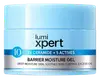
This barrier-repair moisturizer is formulated around Ceramide NP and Ectoin to strengthen the skin barrier and hydrate skin.


What's inside
What's inside
 Key Ingredients
Benefits
Concerns
Ingredients Side-by-side
Water
Skin ConditioningButylene Glycol
Humectant

Dimethicone
Emollient

Caprylic/Capric Triglyceride
Masking
Ceramide NP
Skin Conditioning



Ceramide AP
Skin Conditioning
Ceramide Ns
Skin Conditioning
Ceramide As
Skin Conditioning
Ceramide EOP
Skin Conditioning
Allantoin
Skin Conditioning
Ectoin
Skin Conditioning
Panthenol
Skin Conditioning
Sodium Hyaluronate
Humectant
Hyaluronic Acid
Humectant
Squalene
Emollient

Ascorbyl Palmitate
Antioxidant


Centella Asiatica Extract
Cleansing
Isopropyl Palmitate
Emollient


Cetearyl Alcohol
Emollient
Hydroxyacetophenone
Antioxidant
Ammonium Acryloyldimethyltaurate/Vp Copolymer
1,2-Hexanediol
Skin Conditioning
Polyacrylate-13
Glycerin
Humectant
Polyisobutene
Pentylene Glycol
Skin Conditioning
Portulaca Oleracea Extract
Skin Conditioning
Polysorbate 20
Emulsifying
Sorbitan Isostearate
Emulsifying
Polyglyceryl-10 Laurate
Skin Conditioning
Hydrogenated Lecithin
Emulsifying
Cholesterol
Emollient
Hydroxyphenyl Propamidobenzoic Acid
Skin ConditioningLimnanthes Alba Seed Oil
Skin Conditioning
Propylene Glycol
Humectant
CI 42090
Cosmetic ColorantWater, Butylene Glycol, Dimethicone, Caprylic/Capric Triglyceride, Ceramide NP, Ceramide AP, Ceramide Ns, Ceramide As, Ceramide EOP, Allantoin, Ectoin, Panthenol, Sodium Hyaluronate, Hyaluronic Acid, Squalene, Ascorbyl Palmitate, Centella Asiatica Extract, Isopropyl Palmitate, Cetearyl Alcohol, Hydroxyacetophenone, Ammonium Acryloyldimethyltaurate/Vp Copolymer, 1,2-Hexanediol, Polyacrylate-13, Glycerin, Polyisobutene, Pentylene Glycol, Portulaca Oleracea Extract, Polysorbate 20, Sorbitan Isostearate, Polyglyceryl-10 Laurate, Hydrogenated Lecithin, Cholesterol, Hydroxyphenyl Propamidobenzoic Acid, Limnanthes Alba Seed Oil, Propylene Glycol, CI 42090
Water
Skin ConditioningMethylpropanediol
SolventSqualane
Emollient
Coco-Caprylate/Caprate
Emollient
Cetearyl Olivate
Dimethicone
Emollient
Sorbitan Olivate
Emulsifying
Hydroxyacetophenone
Antioxidant
1,2-Hexanediol
Skin Conditioning
Ammonium Acryloyldimethyltaurate/Vp Copolymer
Sodium Acrylates Copolymer
Bisabolol
Antioxidant
Butylene Glycol
Humectant
Acrylates/C10-30 Alkyl Acrylate Crosspolymer
Emulsion StabilisingPanthenol
Skin Conditioning
Ceramide NP
Skin Conditioning
Lecithin
Emollient
Ectoin
Skin Conditioning
Aminomethyl Propanol
BufferingPortulaca Oleracea Extract
Skin Conditioning
Sodium Hyaluronate
Humectant
Tocopherol
Antioxidant

Glycine Max Oil
Emollient
Water, Methylpropanediol, Squalane, Coco-Caprylate/Caprate, Cetearyl Olivate, Dimethicone, Sorbitan Olivate, Hydroxyacetophenone, 1,2-Hexanediol, Ammonium Acryloyldimethyltaurate/Vp Copolymer, Sodium Acrylates Copolymer, Bisabolol, Butylene Glycol, Acrylates/C10-30 Alkyl Acrylate Crosspolymer, Panthenol, Ceramide NP, Lecithin, Ectoin, Aminomethyl Propanol, Portulaca Oleracea Extract, Sodium Hyaluronate, Tocopherol, Glycine Max Oil
Reviews
Ingredients Explained
These ingredients are found in both products.
Ingredients higher up in an ingredient list are typically present in a larger amount.
1,2-Hexanediol is a synthetic liquid and another multi-functional powerhouse.
It is a:
- Humectant, drawing moisture into the skin
- Emollient, helping to soften skin
- Solvent, dispersing and stabilizing formulas
- Preservative booster, enhancing the antimicrobial activity of other preservatives
Ammonium Acryloyldimethyltaurate/Vp Copolymer is a synthetically created polymer. It's used as a film-forming agent and used to thicken the consistency of products.
Think of it as a supportive ingredient that helps your gel-creams feel silky, "cloud cream-like", and spread evenly without being greasy.
The Cosmetic Ingredient Review (CIR) Expert Panel evaluated it (along with 22 other acryloyldimethyltaurate polymers) and concluded it's:
Due to its large molecular size, it sits on the surface of skin rather than penetrating it.
Learn more about Ammonium Acryloyldimethyltaurate/Vp CopolymerButylene Glycol (or BG) is used within cosmetic products for a few different reasons:
Overall, Butylene Glycol is a safe and well-rounded ingredient that works well with other ingredients.
Though this ingredient works well with most skin types, some people with sensitive skin may experience a reaction such as allergic rashes, closed comedones, or itchiness.
Learn more about Butylene GlycolCeramide NP (formerly known as Ceramide 3) is one of the skin's naturally occurring lipids.
Since ceramides are the major lipid components of the skin, they are crucial for maintaining skin barrier and hydration. Ceramide NP most closely mirrors the dominant kind in human skin amongst ceramide subtypes.
This ceramide works by slotting into gaps within the stratum corneum's lipid matrix to limit trans-epidermal water loss (TEWL) and shield the skin against external irritants.
A study with 312 patients found that using a ceramide-containing routine for 4 weeks reduced the severity of atopic dermatitis by over 61%.
Another clinical study in subjects aged 60 and older found that a ceramide body wash and moisturizer improved skin dryness and itchy skin in 15 days.
Overall, ceramides are considered non-irritating and safety tests have found little to no observable adverse effects from using this ingredient.
Ceramide NP is usually sourced from plants (like soybean or rice bran), or produced synthetically.
Learn more about Ceramide NPDimethicone is a type of synthetic silicone created from natural materials such as quartz. It is also known as polydimethylsiloxane.
What it does:
Dimethicone comes in different viscosities:
Depending on the viscosity, dimethicone has different properties.
Ingredients lists don't always show which type is used, so we recommend reaching out to the brand if you have questions about the viscosity.
This ingredient is unlikely to cause irritation because it does not get absorbed into skin. However, people with silicone allergies should be careful about using this ingredient.
Note: Dimethicone may contribute to pilling. This is because it is not oil or water soluble, so pilling may occur when layered with products. When mixed with heavy oils in a formula, the outcome is also quite greasy.
Learn more about DimethiconeEctoin is a compound found naturally in some species of bacteria. It can be synthetically created for skincare use.
This ingredient is an osmolyte; Osmolytes help organisms survive osmotic shock (it protects them from extreme conditions). It does this by influencing the properties of biological fluids within cells.
When applied to the skin, ectoin helps bind water molecules to protect our skin. The water forms a sort of armor for the parts of our skin cells, enzymes, proteins, and more.
Besides this, ectoin has many uses in skincare:
A study from 2004 found ectoin to counteract the damage from UV-A exposure at different cell levels. It has also been shown to protect skin against both UV-A, UV-B rays, infrared light, and visible light.
Studies show ectoin to have dual-action pollution protection: first, it protects our skin from further pollution damage. Second, it helps repair damage from pollution.
In fact, ectoin has been shown to help with:
Fun fact: In the EU, ectoin is used in inhalation medication as an anti-pollution ingredient.
Ectoin is a highly stable ingredient. It has a wide pH range of 1-9. Light, oxygen, and temperature do not affect this ingredient.
The chemical name for this ingredient is Tetrahydromethylpyrimidine Carboxylic Acid.
Learn more about EctoinHydroxyacetophenone is a small phenolic molecule that earns its place in a formulas as an antioxidant and preservative booster.
As a phenol, it is able to neutralize free radicals to protect both the product and the skin from oxidative stress.
Though it can't kill microbes on its own, it works as a good supporting agent when combined with other preservatives like Phenoxyethanol or 1,2-Hexanediol.
This ingredient naturally occurs as piceol in Norwegian spruce needles (~0.4-1.1% dry weight and in cloudberries). Though the cosmetic-grade material is synthesized for purity and consistency.
You'll usually see it used at low levels and suppliers recommend up to 1% added to a water phase.
Safety testing was done at concentrations like 0.05% in SPF products and 0.5% in a Human Repeated Insult Patch Test. The safety evidence is assuring; this ingredient is safe for cosmetics in current use and also holds safety status as a food flavoring as well.
An honest caveat: the "soothing" and "anti-inflammatory" claims come mostly from supplier marketing rather than published clinical trials. The Cosmetic Ingredient Review's own literature search found no useful efficacy studies on this ingredient.
So the antioxidant and preservative-boosting roles are the well supported ones while the calming benefit is plausible but thinly evidenced.
Overall, this is a well-tolerated, low-irritation multitasker that quietly helps a formula stay fresh and stable.
Learn more about HydroxyacetophenonePanthenol is a common ingredient that helps hydrate and soothe the skin. It is found naturally in our skin and hair.
There are two forms of panthenol: D and L.
D-panthenol is also known as dexpanthenol. Most cosmetics use dexpanthenol or a mixture of D and L-panthenol.
Panthenol is famous due to its ability to go deeper into the skin's layers. Using this ingredient has numerous pros (and no cons):
Like hyaluronic acid, panthenol is a humectant. Humectants are able to bind and hold large amounts of water to keep skin hydrated.
This ingredient works well for wound healing. It works by increasing tissue in the wound and helps close open wounds.
Once oxidized, panthenol converts to pantothenic acid. Panthothenic acid is found in all living cells.
This ingredient is also referred to as pro-vitamin B5.
Learn more about PanthenolThis extract comes from Purslane, a succulent. It has anti-inflammatory, antioxidant, and hydrating properties.
Purslane is very nutritious. It contains omega-3 fatty acids, NMFs, many vitamins, minerals, and antioxidants. The vitamins found in purslane include: Vitamin C, Vitamin A, and Vitamin E.
Fun fact: Purslane is a succulent with an extensive habitat. It is used in traditional Korean medicine to treat irritated skin.
Nowadays, purslane is becoming a superfood due to its highly nutritious content.
Learn more about Portulaca Oleracea ExtractSodium Hyaluronate is the salt form of hyaluronic acid. It is a long sugar chain that is naturally found in your skin, joints, and connective tissue that maintains hydration and elasticity.
In skincare, it works as a humectant. It pulls water from the environment and deeper layers of skin and binds it to the surface.
Interestingly, the size of the molecule affects its behavior:
Some clinical evidence links low molecular weight versions to improved wrinkle depth, elasticity, anti-inflammatory effects, and barrier repair.
Many serums use a blend of both weights so you can get surface hydration plus longer-lasting and deeper effects.
You'll typically see concentrations between 0.1-2% for this ingredient.
Learn more about Sodium HyaluronateWater. It's the most common cosmetic ingredient of all. You'll usually see it at the top of ingredient lists, meaning that it makes up the largest part of the product.
So why is it so popular? Water most often acts as a solvent - this means that it helps dissolve other ingredients into the formulation.
You'll also recognize water as that liquid we all need to stay alive. If you see this, drink a glass of water. Remember to stay hydrated!
Learn more about Water

