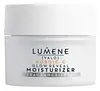
This brightening day moisturizer is formulated around Ascorbyl Tetraisopalmitate and Niacinamide to brighten dull-looking skin.
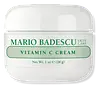
This brightening day moisturizer is formulated around Tetrahexyldecyl Ascorbate and Bakuchiol to brighten dull-looking skin and fade the look of dark spots.


What's inside
What's inside
 Key Ingredients
Benefits
Concerns
Ingredients Side-by-side
Water
Skin ConditioningPrunus Amygdalus Dulcis Oil
Skin Conditioning





Coco-Caprylate
Emollient
Simmondsia Chinensis Seed Oil
Emollient

Dimethicone
Emollient
Propanediol
Solvent
Glycerin
Humectant
Cetearyl Olivate
Sorbitan Olivate
Emulsifying
Ascorbyl Tetraisopalmitate
Antioxidant


Cetearyl Alcohol
Emollient

Niacinamide
Smoothing








Rubus Chamaemorus Fruit Extract
Antioxidant
Rubus Chamaemorus Seed Extract
Skin ConditioningPhenoxyethanol
Preservative
Panthenol
Skin Conditioning
Cetearyl Dimethicone Crosspolymer
Cetyl Palmitate
Emollient
Sodium Polyacrylate
Absorbent
Maltodextrin
Absorbent
Sorbitan Palmitate
Emulsifying
Tocopheryl Acetate
Antioxidant
Xanthan Gum
EmulsifyingEthylhexylglycerin
Skin ConditioningSodium Gluconate
ChelatingHydrolyzed Hyaluronic Acid
Humectant
Tocopherol
Antioxidant
Adenosine
Skin Conditioning
Helianthus Annuus Seed Oil
Emollient
Water, Prunus Amygdalus Dulcis Oil, Coco-Caprylate, Simmondsia Chinensis Seed Oil, Dimethicone, Propanediol, Glycerin, Cetearyl Olivate, Sorbitan Olivate, Ascorbyl Tetraisopalmitate, Cetearyl Alcohol, Niacinamide, Rubus Chamaemorus Fruit Extract, Rubus Chamaemorus Seed Extract, Phenoxyethanol, Panthenol, Cetearyl Dimethicone Crosspolymer, Cetyl Palmitate, Sodium Polyacrylate, Maltodextrin, Sorbitan Palmitate, Tocopheryl Acetate, Xanthan Gum, Ethylhexylglycerin, Sodium Gluconate, Hydrolyzed Hyaluronic Acid, Tocopherol, Adenosine, Helianthus Annuus Seed Oil
Water
Skin ConditioningGlycerin
Humectant
Tetrahexyldecyl Ascorbate
Antioxidant
Caprylic/Capric Triglyceride
Masking
Dicaprylyl Carbonate
EmollientCetearyl Alcohol
Emollient
Ascorbyl Tetraisopalmitate
Antioxidant
Glyceryl Stearate Se
Emulsifying
Bakuchiol
Antimicrobial
Niacinamide
Smoothing
Hydrolyzed Sodium Hyaluronate
Skin Conditioning
Rosa Canina Seed Oil
Emollient
Simmondsia Chinensis Seed Oil
Emollient
Glycyrrhiza Glabra Stem Extract
Skin ConditioningHelianthus Annuus Seed Oil
Emollient
Sodium Hyaluronate
Humectant
Beta-Carotene
Skin ConditioningDaucus Carota Sativa Root Extract
Skin Conditioning
Daucus Carota Sativa Seed Oil
Emollient
Ascorbyl Palmitate
Antioxidant
Phenoxyethanol
Preservative
Hydroxyethyl Acrylate/Sodium Acryloyldimethyl Taurate Copolymer
Emulsion StabilisingBehenyl Behenate
EmollientSodium Polyacryloyldimethyl Taurate
Emulsion StabilisingAmmonium Acryloyldimethyltaurate/Vp Copolymer
Citric Acid
Buffering
BHT
Antioxidant
Chlorphenesin
Antimicrobial
Sodium Sulfite
Preservative
Isohexadecane
EmollientParfum
Masking


Polysorbate 60
Emulsifying
Sodium Chloride
MaskingSodium Sulfate
CI 14700
Cosmetic ColorantWater, Glycerin, Tetrahexyldecyl Ascorbate, Caprylic/Capric Triglyceride, Dicaprylyl Carbonate, Cetearyl Alcohol, Ascorbyl Tetraisopalmitate, Glyceryl Stearate Se, Bakuchiol, Niacinamide, Hydrolyzed Sodium Hyaluronate, Rosa Canina Seed Oil, Simmondsia Chinensis Seed Oil, Glycyrrhiza Glabra Stem Extract, Helianthus Annuus Seed Oil, Sodium Hyaluronate, Beta-Carotene, Daucus Carota Sativa Root Extract, Daucus Carota Sativa Seed Oil, Ascorbyl Palmitate, Phenoxyethanol, Hydroxyethyl Acrylate/Sodium Acryloyldimethyl Taurate Copolymer, Behenyl Behenate, Sodium Polyacryloyldimethyl Taurate, Ammonium Acryloyldimethyltaurate/Vp Copolymer, Citric Acid, BHT, Chlorphenesin, Sodium Sulfite, Isohexadecane, Parfum, Polysorbate 60, Sodium Chloride, Sodium Sulfate, CI 14700
Ingredients Explained
These ingredients are found in both products.
Ingredients higher up in an ingredient list are typically present in a larger amount.
Ascorbyl Tetraisopalmitate is a version of ascorbic acid, or Vitamin C.
This ingredient has many benefits including reducing wrinkles, skin soothing, dark spot fading, and fighting against free radicals.
It helps with dark spot fading by interfering with the process of skin darkening, helping to reduce hyperpigmentation. Like other forms of vitamin C, this ingredient encourages the skin to create more collagen.
As an antioxidant, it helps fight free-radicals. Free-radicals are molecules that may damage your skin cells.
One study found Ascorbyl Tetraisopalmitate to degrade in sunlight, but is stabilized when combined with acetyl zingerone.
Learn more about Ascorbyl TetraisopalmitateCetearyl alcohol is a waxy mixture of two fatty alcohols: cetyl alcohol and stearyl alcohol. It is an emollient and emulsifier.
Despite having "alcohol" in its name, it has nothing to do with drying solvent alcohols; the FDA also allows "alcohol-free" products to contain fatty alcohols like this ingredient.
It plays several roles in a formula:
Typical use levels for this ingredient sit around 1-10% and the Cosmetic Ingredient Review Expert Panel has affirmed safety at concentrations up to 25% in leave-on products.
Multiple assessments have found it to be non-irritating and non-sensitizing to most people.
However, there have been some cases of allergic contact dermatitis in patients with chronically compromised skin barriers.
Cetearyl alcohol has a comedogenic rating of 2 and irritancy rating of 1. Both of these numbers come from the 1989 study that used rabbit ears; a "2" means mildly comedogenic and a "1" means low irritancy.
Here's the catch: rabbit skin is more sensitive than human skin and throws a lot of false positives. A 1996 reappraisal found that ingredients rated 1-2 in the rabbit ear tests are generally safe for humans.
Remember comedogenic ratings are unable to assess the entire formula of a product or how it will react on your skin. Just be sure to patch test if you are unsure about certain ingredients.
This ingredient is not fungal acne safe. Cetearyl alcohol is a fatty alcohol with chain lengths that fall within the range that Malassezia can metabolize.
A 2019 study has also observed Malassezia growth in the presence of this ingredient, confirming it to be not-fungal acne safe.
Learn more about Cetearyl AlcoholGlycerin (or glycerol) is a compound naturally found in your skin. It's a powerhouse humectant that pulls water into the stratum corneum.
Topically, glycerin does several things at once:
Your skin makes glycerin on its own (mostly from sebaceous oil breakdown) and shuttles it to your outermost layer of skin, or your epidermis, via aquaporin-3.
Aquaporin-3 is a transporter that is essential for normal skin hydration, elasticity, and repair. Interestingly, mice lacking in AQP3 have dry and less elastic skin that can be fully corrected with glycerin.
This ingredient is non-irritating, plays well with almost every ingredient, and works across all skin types. Typical use is anywhere between 3-10% but can go up to 79% in some leave-on products.
Just know very high concentrations (>40%) can feel tacky in low humidity.
Glycerin is the name for this ingredient in American English. British English uses Glycerol/Glycerine.
Learn more about GlycerinHelianthus Annuus Seed Oil is a plant oil derived from the seeds of a sunflower.
It is rich in fatty acids, primarily linoleic acid and oleic acid. This gives it emollient and skin conditioning properties.
The reason this ingredient is so effective is because it forms a thin film on the skin that reduces transepidermal water loss (TEWL) while supplying linoleic acid to the stratum corneum to improve barrier strength.
The high linoleic acid content is particularly noteworthy for acne-prone skin.
Research suggests that acne-prone skin tends to be deficient in linoleic acid in sebum. Topical application may help replenish this to support a healthier follicular environment and less comedone-promoting sebum.
One randomized study found sunflower seed oil preserved skin barrier integrity in adult volunteers with and without atopic dermatitis (outperforming olive oil).
This ingredient is well-studied, gentle, and an effective emollient suitable for most skin types.
On fungal acne: This ingredient may not be Fungal acne (Malassezia folliculitis) safe. This is because it contains fatty acids with carbon chain lengths in the C11-C24 range.
Learn more about Helianthus Annuus Seed OilNiacinamide is a multitasking form of vitamin B3 that strengthens the skin barrier, reduces pores and dark spots, regulates oil, and improves signs of aging.
And the best part? It's gentle and well-tolerated by most skin types, including sensitive and reactive skin.
You might have heard of "niacin flush", or the reddening of skin that causes itchiness. Niacinamide has not been found to cause this.
In very rare cases, some individuals may not be able to tolerate niacinamide at all or experience an allergic reaction to it.
If you are experiencing flaking, irritation, and dryness with this ingredient, be sure to double check all your products as this ingredient can be found in all categories of skincare.
When incorporating niacinamide into your routine, look out for concentration amounts. Typically, 5% niacinamide provides benefits such as fading dark spots. However, if you have sensitive skin, it is better to begin with a smaller concentration.
When you apply niacinamide to your skin, your body converts it into nicotinamide adenine dinucleotide (NAD). NAD is an essential coenzyme that is already found in your cells as "fuel" and powers countless biological processes.
In your skin, NAD helps repair cell damage, produce new healthy cells, support collagen production, strengthen the skin barrier, and fight environmental stressors (like UV and pollution).
Our natural NAD levels start to decline with age, leading to slower skin repair, visible aging, and a weaker skin barrier. By providing your skin niacinamide, you're recharging your skin's NAD levels. This leads to stronger, healthier, and younger looking skin.
Another name for vitamin B3 is nicotinamide. This vitamin is water-soluble and our bodies don't store it. We obtain Vitamin B3 from either food or skincare. Meat, fish, wheat, yeast, and leafy greens contain vitamin B3.
The type of niacinamide used in skincare is synthetically created.
Learn more about NiacinamidePhenoxyethanol is one of the most widely used preservatives in skincare (and for good reason!).
It has a large spectrum of antimicrobial activity and especially effective bacteria, yeast, and mold while only having a weak effect on your skin's natural microbiome.
On a cellular level, it disrupts the cell membranes of microbes by poking holes that make the cell leak. This shuts down the chemical reactions the microbe needs to make energy so it can no longer survive.
Another perk of this ingredient is that it stays functional across a wide pH range (3-10).
You'll often see it paired with boosters like Ethylhexylglycerin; one study showed that a 1:9 ratio of Ethylhexylglycerin to Phenoxyethanol damages bacterial membranes as effectively as doubling the Phenoxyethanol concentration on its own.
Typical use concentrations range from 0.3-1% depending on the formula, and this ingredient is capped at 1% int the EU.
Safety-wise, the fear mongering does not hold up to the evidence. The EU's Scientific Committee on Consumer Safety and FDA consider it safe as a preservative at up to 1%, including for children of all ages.
Adverse systemic effects only showed up in animal studies at exposures roughly 200x higher than what people get from cosmetics. And despite its very widespread use, this ingredient is a rare sensitizer and allergic reactions are uncommon.
Learn more about PhenoxyethanolJojoba oil is one of the most well-studied plant-derived ingredients in cosmetics. It is an emollient with a special structure.
Because it is made up of 97-98% wax esters, it closely mirrors the linear monoesters found in human sebum. This makes it skin compatible, non-greasy, and lightweight.
Unlike other plant oils, jojoba wax doesn't easily penetrate skin. It mostly works in the uppermost layers as an emollient. This just means it forms a light barrier on the skin to help retain moisture.
Formulations with jojoba esters up to 90% reduced transepidermal water loss (TEWL) and increased barrier recovery by 81% (outperforming bisabolol at 47%).
Besides barrier support, the science also suggests jojoba to have anti-inflammatory effects and potential applications for skin infections, aging, and wound healing.
Fun fact: Indigenous cultures have used jojoba as a moisturizer and to help treat burns for centuries.
Fungal acne: The Malassezia yeast is known to metabolize fatty acids in the C11-24 range and jojoba's dominant fatty acid components fall into this range. This ingredient may not be fungal acne safe.
Learn more about Simmondsia Chinensis Seed OilWater. It's the most common cosmetic ingredient of all. You'll usually see it at the top of ingredient lists, meaning that it makes up the largest part of the product.
So why is it so popular? Water most often acts as a solvent - this means that it helps dissolve other ingredients into the formulation.
You'll also recognize water as that liquid we all need to stay alive. If you see this, drink a glass of water. Remember to stay hydrated!
Learn more about Water

