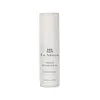
This calming moisturizer is formulated around Hyaluronic Acid and Hydrolyzed Sodium Hyaluronate to calm redness and hydrate skin.
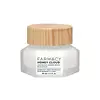
This barrier-repair moisturizer is formulated around Squalane and Honey Extract to strengthen the skin barrier and hydrate skin.

What's inside
What's inside
 Key Ingredients
Benefits
Concerns
Ingredients Side-by-side
Hyaluronic Acid
Humectant




Hydrolyzed Sodium Hyaluronate
Skin Conditioning
Sodium Hyaluronate
Humectant
Sodium Hyaluronate Crosspolymer
Humectant
Hydroxypropyltrimonium Hyaluronate
C12-13 Alkyl Glyceryl Hydrolyzed Hyaluronate
Oryza Sativa Bran Water
Masking
Bisabolol
Antioxidant
Allantoin
Skin Conditioning
Gluconolactone
Chelating





Chamomilla Recutita Flower Extract
Masking
Cucumis Sativus Fruit Extract
Emollient
Carthamus Tinctorius Oleosomes
Emollient

Simmondsia Chinensis Seed Oil
Emollient
Prunus Amygdalus Dulcis Oil
Skin Conditioning

Vitis Vinifera Seed Oil
Emollient
Aloe Barbadensis Leaf Extract
Emollient
Caprylic/Capric Triglyceride
Masking
Sclerotium Gum
Emulsion StabilisingCetearyl Olivate
Stearyl Alcohol
Emollient
Sorbitan Olivate
Emulsifying
Tocotrienols
Skin Conditioning
Caprylyl Glycol
Emollient
Ethylhexylglycerin
Skin ConditioningUndecylenoyl Glycine
CleansingCapryloyl Glycine
CleansingHyaluronic Acid, Hydrolyzed Sodium Hyaluronate, Sodium Hyaluronate, Sodium Hyaluronate Crosspolymer, Hydroxypropyltrimonium Hyaluronate, C12-13 Alkyl Glyceryl Hydrolyzed Hyaluronate, Oryza Sativa Bran Water, Bisabolol, Allantoin, Gluconolactone, Chamomilla Recutita Flower Extract, Cucumis Sativus Fruit Extract, Carthamus Tinctorius Oleosomes, Simmondsia Chinensis Seed Oil, Prunus Amygdalus Dulcis Oil, Vitis Vinifera Seed Oil, Aloe Barbadensis Leaf Extract, Caprylic/Capric Triglyceride, Sclerotium Gum, Cetearyl Olivate, Stearyl Alcohol, Sorbitan Olivate, Tocotrienols, Caprylyl Glycol, Ethylhexylglycerin, Undecylenoyl Glycine, Capryloyl Glycine
Water
Skin ConditioningGlycerin
Humectant
Squalane
Emollient
Ethylhexyl Palmitate
Emollient
C15-19 Alkane
SolventGlyceryl Stearate
Emollient
Caprylic/Capric Triglyceride
Masking
Cetyl Alcohol
Emollient
Honey Extract
Humectant
Ectoin
Skin Conditioning
Sodium Polyglutamate
HumectantSodium Hyaluronate
Humectant
Calendula Officinalis Extract
Skin Conditioning
Anthemis Nobilis Flower Extract
Masking
Panthenol
Skin Conditioning
Allantoin
Skin Conditioning
Helianthus Annuus Seed Oil
Emollient
Tocopherol
Antioxidant
Glycosphingolipids
EmollientLeuconostoc/Radish Root Ferment Filtrate
Antimicrobial
Ceramide NP
Skin Conditioning
Hydroxyacetophenone
Antioxidant
Propanediol
Solvent
Hydrogenated Palm Glycerides
Emollient
Hydrogenated Rapeseed Oil
Emollient
Palmitic Acid
Emollient
Triolein
Skin Conditioning
1,2-Hexanediol
Skin Conditioning
Caprylyl Glycol
Emollient
Glyceryl Dioleate
Emollient
Polyglyceryl-3 Methylglucose Distearate
Emulsifying
Potassium Cetyl Phosphate
EmulsifyingAcrylates/C10-30 Alkyl Acrylate Crosspolymer
Emulsion StabilisingStearic Acid
Cleansing
Sodium Phytate
ChelatingPotassium Hydroxide
BufferingSodium Benzoate
Masking
Water, Glycerin, Squalane, Ethylhexyl Palmitate, C15-19 Alkane, Glyceryl Stearate, Caprylic/Capric Triglyceride, Cetyl Alcohol, Honey Extract, Ectoin, Sodium Polyglutamate, Sodium Hyaluronate, Calendula Officinalis Extract, Anthemis Nobilis Flower Extract, Panthenol, Allantoin, Helianthus Annuus Seed Oil, Tocopherol, Glycosphingolipids, Leuconostoc/Radish Root Ferment Filtrate, Ceramide NP, Hydroxyacetophenone, Propanediol, Hydrogenated Palm Glycerides, Hydrogenated Rapeseed Oil, Palmitic Acid, Triolein, 1,2-Hexanediol, Caprylyl Glycol, Glyceryl Dioleate, Polyglyceryl-3 Methylglucose Distearate, Potassium Cetyl Phosphate, Acrylates/C10-30 Alkyl Acrylate Crosspolymer, Stearic Acid, Sodium Phytate, Potassium Hydroxide, Sodium Benzoate
Reviews
Alternatives
Ingredients Explained
These ingredients are found in both products.
Ingredients higher up in an ingredient list are typically present in a larger amount.
Allantoin is a soothing ingredient known for its protective and moisturizing properties; it's basically a quiet workhorse ingredient you can find in a huge range of cosmetics.
Though it can be derived from the comfrey plant, allantoin is produced synthetically for cosmetic products to ensure purity.
Research shows it can encourage your skin cells to turn over and renew by stimulating keratinocyte and fibroblast proliferation.
It also has mild keratolytic properties to help loosen and shed dead skin cells without being harsh.
Studies also suggest allantoin can help calm inflammation by dialing down some of the chemical signals your skin sends out when it is irritated.
This ingredient is typically used in the 0.1-0.5% range, and the FDA recognizes it as a skin protectant in OTC products up to 2%.
Overall, allantoin is a wonderful addition to most routines; it is stable across a wide pH range (~4-8), works well with other ingredients, and is considered non-sensitizing/non-irritating.
Fun fact: Allantoin is naturally occurring in comfrey root, beets, chamomile, and wheat sprouts. Our bodies even produce it as a byproduct of uric acid metabolism.
Learn more about AllantoinCaprylic/Capric Triglyceride (aka MCT Oil) is a lightweight emollient, solvent, and texture enhancer. It is considered a skin-softener by helping to prevent moisture loss.
Though it behaves like an oil, it is not technically one due to its chemical composition. One perk of this ingredient is that it is very stable, resistant to oxidation, and unlikely to go rancid.
In practice, that translates to a long shelf life and a consistently elegant skin feel.
While there is an assumption Caprylic Triglyceride can clog pores due to it being derived from coconut oil, there is no research supporting this. Just patch test if you have concerns.
Fractionated coconut oil and MCT Oil are both listed as Caprylic/Capric Triglyceride according to INCI. This is because INCI names are based on the ingredient’s final chemical composition and not its marketing name or source.
This ingredient is treated as the gold standard fungal acne safe oil. Even though it is coconut derived, the problematic lauric acid is stripped out.
This leaves just caprylic (C8) and capric (C10) acid. These chain lengths actually trend antifungal; a 2020 study found caprylic acid was enough to disrupt Malassezia furfur cell membrane, with a caprylic acid derivative damaging membrane structures at concentrations as low as 0.2%.
Learn more about Caprylic/Capric TriglycerideCaprylyl Glycol is a humectant, skin conditioner, emollient, and preservative booster derived from either caprylic acid or synthetically created.
Typical use levels vary from 0.3-1% as a preservative booster and go up to 2% to condition skin.
Because it is not a free-fatty acid, this ingredient is fungal acne safe (there's nothing for Malassezia to feed on).
Learn more about Caprylyl GlycolSodium Hyaluronate is the salt form of hyaluronic acid. It is a long sugar chain that is naturally found in your skin, joints, and connective tissue that maintains hydration and elasticity.
In skincare, it works as a humectant. It pulls water from the environment and deeper layers of skin and binds it to the surface.
Interestingly, the size of the molecule affects its behavior:
Some clinical evidence links low molecular weight versions to improved wrinkle depth, elasticity, anti-inflammatory effects, and barrier repair.
Many serums use a blend of both weights so you can get surface hydration plus longer-lasting and deeper effects.
You'll typically see concentrations between 0.1-2% for this ingredient.
Learn more about Sodium Hyaluronate

