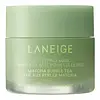
This hydrating lip mask is formulated around Butyrospermum Parkii Butter to hydrate lips and strengthen the lip barrier.
This anti-aging lip moisturizer is formulated around Squalane and Ceramide NP to soften the look of wrinkles and hydrate lips.

What's inside
What's inside
 Key Ingredients
Benefits
Concerns
Ingredients Side-by-side
Diisostearyl Malate
EmollientHydrogenated Polyisobutene
EmollientPhytosteryl/Isostearyl/Cetyl/Stearyl/Behenyl Dimer Dilinoleate
Skin Conditioning

Polybutene
Hydrogenated Poly(C6-14 Olefin)
EmollientCera Microcristallina
Emulsion StabilisingButyrospermum Parkii Butter
Skin Conditioning




Synthetic Wax
Abrasive
Ethylene/Propylene/Styrene Copolymer
Sucrose Tetrastearate Triacetate
Emollient
Magnesium Potassium Fluorosilicate
Abrasive
Parfum
Masking


Euphorbia Cerifera Wax
Candelilla Wax Esters
Astrocaryum Murumuru Seed Butter
Emollient
Polyglyceryl-2 Triisostearate
Emulsifying
CI 77891
Cosmetic ColorantGlyceryl Caprylate
EmollientButylene/Ethylene/Styrene Copolymer
Copernicia Cerifera Cera
Emollient
Linalool
Perfuming
CI 77492
Cosmetic ColorantDimethicone
Emollient

CI 42090
Cosmetic ColorantGeraniol
Perfuming
Cocos Nucifera Oil
Masking

Pentaerythrityl Tetra-Di-T-Butyl Hydroxyhydrocinnamate
Antioxidant
Ascorbic Acid
Antioxidant




Tocopherol
Antioxidant

Triethoxycaprylylsilane
Water
Skin ConditioningGlycerin
Humectant
Propanediol
Solvent
BHT
Antioxidant
Punica Granatum Fruit Juice
MaskingRubus Idaeus Juice
AstringentVitis Vinifera Juice
Antioxidant
Diisostearyl Malate, Hydrogenated Polyisobutene, Phytosteryl/Isostearyl/Cetyl/Stearyl/Behenyl Dimer Dilinoleate, Polybutene, Hydrogenated Poly(C6-14 Olefin), Cera Microcristallina, Butyrospermum Parkii Butter, Synthetic Wax, Ethylene/Propylene/Styrene Copolymer, Sucrose Tetrastearate Triacetate, Magnesium Potassium Fluorosilicate, Parfum, Euphorbia Cerifera Wax, Candelilla Wax Esters, Astrocaryum Murumuru Seed Butter, Polyglyceryl-2 Triisostearate, CI 77891, Glyceryl Caprylate, Butylene/Ethylene/Styrene Copolymer, Copernicia Cerifera Cera, Linalool, CI 77492, Dimethicone, CI 42090, Geraniol, Cocos Nucifera Oil, Pentaerythrityl Tetra-Di-T-Butyl Hydroxyhydrocinnamate, Ascorbic Acid, Tocopherol, Triethoxycaprylylsilane, Water, Glycerin, Propanediol, BHT, Punica Granatum Fruit Juice, Rubus Idaeus Juice, Vitis Vinifera Juice
Hydrogenated Poly(C6-14 Olefin)
EmollientHydrogenated Polyisobutene
EmollientEthylene/Propylene/Styrene Copolymer
Caprylic/Capric Triglyceride
Masking
Tocopheryl Acetate
Antioxidant
Squalane
Emollient
Water
Skin ConditioningStearyl Alcohol
Emollient
Lithospermum Erythrorhizon Root Extract
Skin ConditioningCetyl Alcohol
Emollient
Parfum
Masking
Butylene/Ethylene/Styrene Copolymer
Myristyl Alcohol
Emollient
Hydrogenated Olive Oil Cetyl Esters
Emulsion Stabilising
Oryza Sativa Bran Wax
Skin Conditioning
Hydrogenated Lecithin
Emulsifying
Butylene Glycol
Humectant
Citronellol
Perfuming
Pentaerythrityl Tetra-Di-T-Butyl Hydroxyhydrocinnamate
Antioxidant
Menthoxypropanediol
Masking
Linalool
Perfuming
Ceramide AP
Skin Conditioning

1,2-Hexanediol
Skin Conditioning
Geraniol
Perfuming
Limonene
Perfuming
Cholesterol
Emollient
CI 77492
Cosmetic ColorantHexyl Cinnamal
Perfuming
Ceramide NP
Skin Conditioning
Propanediol
Solvent
Palmitic Acid
Emollient
Stearic Acid
Cleansing
Glycine Max Polypeptide
Skin Conditioning
Sodium Hyaluronate
Humectant
Ethylhexylglycerin
Skin ConditioningDisodium EDTA
ChelatingHydrolyzed Collagen
Emollient
Hydrolyzed Hyaluronic Acid
Humectant
Sodium Hyaluronate Crosspolymer
Humectant
Hyaluronic Acid
Humectant
Paeonia Albiflora Root Extract
Skin ConditioningSodium Acetylated Hyaluronate
Humectant
Paeonia Albiflora Flower Extract
TonicHydrogenated Poly(C6-14 Olefin), Hydrogenated Polyisobutene, Ethylene/Propylene/Styrene Copolymer, Caprylic/Capric Triglyceride, Tocopheryl Acetate, Squalane, Water, Stearyl Alcohol, Lithospermum Erythrorhizon Root Extract, Cetyl Alcohol, Parfum, Butylene/Ethylene/Styrene Copolymer, Myristyl Alcohol, Hydrogenated Olive Oil Cetyl Esters, Oryza Sativa Bran Wax, Hydrogenated Lecithin, Butylene Glycol, Citronellol, Pentaerythrityl Tetra-Di-T-Butyl Hydroxyhydrocinnamate, Menthoxypropanediol, Linalool, Ceramide AP, 1,2-Hexanediol, Geraniol, Limonene, Cholesterol, CI 77492, Hexyl Cinnamal, Ceramide NP, Propanediol, Palmitic Acid, Stearic Acid, Glycine Max Polypeptide, Sodium Hyaluronate, Ethylhexylglycerin, Disodium EDTA, Hydrolyzed Collagen, Hydrolyzed Hyaluronic Acid, Sodium Hyaluronate Crosspolymer, Hyaluronic Acid, Paeonia Albiflora Root Extract, Sodium Acetylated Hyaluronate, Paeonia Albiflora Flower Extract
Reviews
Ingredients Explained
These ingredients are found in both products.
Ingredients higher up in an ingredient list are typically present in a larger amount.
This ingredient is a high-molecular weight synthetic polymer. It is used to modify the viscosity of a formula, improve slip, and create a more "cushiony" texture.
Due to its large molecular size, this ingredient is not absorbed into the skin.
CI 77492 is also hydrated iron III oxide. It's sole purpose is to give a yellow hue to products.
Iron III oxides are classified as inorganic chemicals for coloring.
Synthetically created CI 77492 is considered safer than those naturally found. This is because the synthetically created version may contain less impurities. Iron oxides are generally non-toxic and non-allergenic.
Learn more about CI 77492This is a synthetic polymer used to thicken formulas, improve texture, and enhance spreadability.
Due to its large molecule size, this ingredient does not penetrate the skin and is considered well-tolerated.
Geraniol is used to add fragrance/parfum to a product. It is the main component of citronellol. It is a monoterpenoid and an alcohol.
Monoterpenes are naturally found in many parts of different plants.
Geraniol can be found in many essential oils including Rose Oil and Citronella Oil. The scent of Geraniol is often described as "rose-like". Many foods also contain Geraniol for fruit flavoring.
Geraniol can irritate the skin when exposed to air. However, irritation depends on the ability of geraniol to penetrate into the skin. In general, geraniol is not able to penetrate skin easily.
Geraniol is colorless and has low water-solubility. However, it is soluble in common organic solvents.
Like citronellol, it is a natural insect repellent.
2,6-Octadien-1-ol, 3,7-dimethyl-, (2E)-
Learn more about GeraniolThis ingredient is a synthetic ingredient with emollient and skin conditioner used to make skincare products feel more lightweight on the skin. It helps improve slip and spreadability without feeling greasy.
Because it is high molecular weight and lipophilic (oil loving), it remains on the surface of skin.
Hydrogenated Polyisobutene is a synthetic polymer. Polymers are compounds with high molecular weight. Hydrogenated Polyisobutene is an emollient and texture enhancer.
In one study, Hydrogenated Polyisobutene showed better skin hydration levels than Caprylic/Capric Triglyceride. As an emollient, it helps keep your skin soft and hydrated by trapping moisture in.
Hydrogenated Polyisobutene is often used as a mineral oil replacement.
Learn more about Hydrogenated PolyisobuteneLinalool is a small, naturally occurring scent molecule found in plants like lavender, coriander, bergamot, and more.
It is one of the two most-used fragrance ingredients in cosmetics and added purely for smell. Since it's not used for a skin benefit, there's no "effective dose". Concentration depends on the fragrance load of the product.
The EU requires it to be named on the label above 0.001% in leave-on and 0.01% in rinse-off products.
Fresh linalool is a weak sensitizer but air exposure turns some of it into hydroperoxides, which are strong sensitizers. Those oxidation products are the actual allergy concern.
Patch-test clinics see positive reactions to linalool hydroperoxides in about 4% to 12% of dermatitis patients depending on country and test concentration.
Resassuringly, one analytical study found hydroperoxide levels in real fragranced products to be orders of magnitude below what induced sensitization in animal studies with no evidence of oxidation building up during normal storage.
The practical takeaway is that linalool is fine for most people but worth avoiding if you have a confirmed fragrance contact allergy or a badly compromised barrier.
Products stored a long time after opening are also the high-risk scenario since that is when oxidation happens.
The scent of linalool is described as floral, spicy tropical, and citrus-like.
Learn more about LinaloolParfum is a catch-all term for an ingredient or more that is used to give a scent to products.
Also called "fragrance", this ingredient can be a blend of hundreds of chemicals or plant oils. This means every product with "fragrance" or "parfum" in the ingredients list is a different mixture.
For instance, Habanolide is a proprietary trade name for a specific aroma chemical. When used as a fragrance ingredient in cosmetics, most aroma chemicals fall under the broad labeling category of “FRAGRANCE” or “PARFUM” according to EU and US regulations.
The term 'parfum' or 'fragrance' is not regulated in many countries. In many cases, it is up to the brand to define this term.
For instance, many brands choose to label themselves as "fragrance-free" because they are not using synthetic fragrances. However, their products may still contain ingredients such as essential oils that are considered a fragrance by INCI standards.
One example is Calendula flower extract. Calendula is an essential oil that still imparts a scent or 'fragrance'.
Depending on the blend, the ingredients in the mixture can cause allergies and sensitivities on the skin. Some ingredients that are known EU allergens include linalool and citronellol.
Parfum can also be used to mask or cover an unpleasant scent.
The bottom line is: not all fragrances/parfum/ingredients are created equally. If you are worried about fragrances, we recommend taking a closer look at an ingredient. And of course, we always recommend speaking with a professional.
Learn more about ParfumPentaerythrityl Tetra-Di-T-Butyl Hydroxyhydrocinnamate (long name, huh?) is a synthetic antioxidant.
It is used to help stabilize other antioxidants or prevent the color from changing in a product.
As an antioxidant, it helps fight free-radical molecules. Free-radical molecules are capable of damaging our cells and other genetic material. Thus, antioxidants may reduce the signs of aging.
This ingredient is oil-soluble.
Learn more about Pentaerythrityl Tetra-Di-T-Butyl HydroxyhydrocinnamatePropanediol is an all-star ingredient. It softens, hydrates, and smooths the skin.
It’s often used to:
Propanediol is not likely to cause sensitivity and considered safe to use. It is derived from corn or petroleum with a clear color and no scent.
Learn more about PropanediolWater. It's the most common cosmetic ingredient of all. You'll usually see it at the top of ingredient lists, meaning that it makes up the largest part of the product.
So why is it so popular? Water most often acts as a solvent - this means that it helps dissolve other ingredients into the formulation.
You'll also recognize water as that liquid we all need to stay alive. If you see this, drink a glass of water. Remember to stay hydrated!
Learn more about Water

