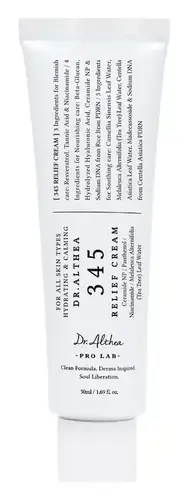
This oil-control moisturizer is formulated around Niacinamide to balance excess oil and refine the look of pores.
This smoothing serum is formulated around Gluconolactone and Niacinamide to refine skin texture.

What's inside
What's inside
 Key Ingredients
Benefits
Concerns
No concerns
Ingredients Side-by-side
Oryza Sativa Bran Water
Masking
Squalane
Emollient


Butylene Glycol
Humectant
Glycerin
Humectant
Niacinamide
Smoothing








1,2-Hexanediol
Skin Conditioning
Methyl Trimethicone
Skin Conditioning
Betaine
Humectant
Silica
Abrasive
Inositol
Humectant
Acrylates/C10-30 Alkyl Acrylate Crosspolymer
Emulsion StabilisingWater
Skin ConditioningTromethamine
BufferingGlyceryl Caprylate
EmollientCarbomer
Emulsion StabilisingEthylhexylglycerin
Skin ConditioningSodium Gluconate
ChelatingMannitol
Humectant
Propanediol
Solvent
Madecassoside
Antioxidant
Hydrolyzed Extensin
Skin ConditioningMonascus/Rice Ferment
Antioxidant
Hydrolyzed Corn Starch
HumectantPinus Densiflora Leaf Extract
Antimicrobial
Camellia Sinensis Leaf Extract
Antimicrobial
Ammonium Glycyrrhizate
MaskingHydrolyzed Vegetable Protein
Skin ConditioningCaffeine
Skin Conditioning
Zinc Gluconate
Skin Conditioning
Aesculus Hippocastanum Seed Extract
Skin ConditioningAcetyl Tetrapeptide-11
Skin Conditioning
Oryza Sativa Bran Water, Squalane, Butylene Glycol, Glycerin, Niacinamide, 1,2-Hexanediol, Methyl Trimethicone, Betaine, Silica, Inositol, Acrylates/C10-30 Alkyl Acrylate Crosspolymer, Water, Tromethamine, Glyceryl Caprylate, Carbomer, Ethylhexylglycerin, Sodium Gluconate, Mannitol, Propanediol, Madecassoside, Hydrolyzed Extensin, Monascus/Rice Ferment, Hydrolyzed Corn Starch, Pinus Densiflora Leaf Extract, Camellia Sinensis Leaf Extract, Ammonium Glycyrrhizate, Hydrolyzed Vegetable Protein, Caffeine, Zinc Gluconate, Aesculus Hippocastanum Seed Extract, Acetyl Tetrapeptide-11
Water
Skin ConditioningBetaine
Humectant
Gluconolactone
Chelating
Glycerin
Humectant
Butylene Glycol
Humectant
Dipropylene Glycol
HumectantSodium Lactate
Buffering
Glycereth-26
Humectant
Niacinamide
Smoothing
Dimethyl Isosorbide
SolventTromethamine
BufferingLactobacillus Ferment Lysate
Skin Conditioning
1,2-Hexanediol
Skin Conditioning
Caffeine
Skin Conditioning
Diethoxyethyl Succinate
SolventVaccinium Myrtillus Fruit Extract
Skin ConditioningAllantoin
Skin Conditioning
Dextrin
AbsorbentPropanediol
Solvent
Pectin
Emulsion StabilisingSaccharum Officinarum Extract
MoisturisingSalicylic Acid
Masking





Sodium Gluconate
ChelatingSphingomonas Ferment Extract
Skin Conditioning
Lactic Acid
Buffering
Glycolic Acid
Buffering
Ethylhexylglycerin
Skin ConditioningXanthan Gum
EmulsifyingCitrus Aurantium Dulcis Fruit Extract
MaskingCitrus Limon Fruit Extract
Masking
Cyclodextrin
AbsorbentAcrylates/Stearyl Methacrylate Copolymer
Emulsion StabilisingHydrolyzed Hyaluronic Acid
Humectant
Tremella Fuciformis Sporocarp Extract
Antioxidant
Hyaluronic Acid
Humectant
Acer Saccharum Extract
Skin ConditioningProtease
Exfoliating
Calcium Chloride
AstringentCeramide NP
Skin Conditioning
Glutathione
Polyglutamic Acid
Skin Conditioning
Sodium Hyaluronate Crosspolymer
Humectant
Glyceryl Caprylate
EmollientHydrolyzed DNA
Skin ConditioningWater, Betaine, Gluconolactone, Glycerin, Butylene Glycol, Dipropylene Glycol, Sodium Lactate, Glycereth-26, Niacinamide, Dimethyl Isosorbide, Tromethamine, Lactobacillus Ferment Lysate, 1,2-Hexanediol, Caffeine, Diethoxyethyl Succinate, Vaccinium Myrtillus Fruit Extract, Allantoin, Dextrin, Propanediol, Pectin, Saccharum Officinarum Extract, Salicylic Acid, Sodium Gluconate, Sphingomonas Ferment Extract, Lactic Acid, Glycolic Acid, Ethylhexylglycerin, Xanthan Gum, Citrus Aurantium Dulcis Fruit Extract, Citrus Limon Fruit Extract, Cyclodextrin, Acrylates/Stearyl Methacrylate Copolymer, Hydrolyzed Hyaluronic Acid, Tremella Fuciformis Sporocarp Extract, Hyaluronic Acid, Acer Saccharum Extract, Protease, Calcium Chloride, Ceramide NP, Glutathione, Polyglutamic Acid, Sodium Hyaluronate Crosspolymer, Glyceryl Caprylate, Hydrolyzed DNA
Reviews
Ingredients Explained
These ingredients are found in both products.
Ingredients higher up in an ingredient list are typically present in a larger amount.
1,2-Hexanediol is a synthetic liquid and another multi-functional powerhouse.
It is a:
- Humectant, drawing moisture into the skin
- Emollient, helping to soften skin
- Solvent, dispersing and stabilizing formulas
- Preservative booster, enhancing the antimicrobial activity of other preservatives
Betaine is a humectant. Like hyaluronic acid, it helps attract and retain moisture in the skin. It’s known for being gentle and for helping the skin maintain balanced hydration.
Betaine is mainly used to improve hydration and support calmer skin. It helps skin cells regulate water balance because it functions as an osmolyte.
Some studies suggest betaine may support making skin tone more even.
Fun fact: Betaine naturally exists in the skin and the body. In cosmetic products, it can be either plant-derived (most commonly from sugar beets) or synthetically produced for consistency and stability.
Betaine is also known as trimethylglycine.
Learn more about BetaineButylene Glycol (or BG) is used within cosmetic products for a few different reasons:
Overall, Butylene Glycol is a safe and well-rounded ingredient that works well with other ingredients.
Though this ingredient works well with most skin types, some people with sensitive skin may experience a reaction such as allergic rashes, closed comedones, or itchiness.
Learn more about Butylene GlycolCaffeine is a naturally occurring plant compound found in coffee beans, tea leaves, cocoa pods, and guarana.
As an antioxidant, caffeine protects your skin from free radical damage caused by UV exposure and envionrmnetal stressors.
Early research also shows that caffeine can help calm redness, soothe irritated skin, and support hair growth by stimulating microcirculation in the scalp.
You might have seen eye creams marketing caffeine as a depuffing ingredient. This is because it is a vasoconstrictor meaning it can temporarily constrict blood vessels, though clinical evidence for this specific use is still limited.
Most skincare products contain this ingredient at concentrations between 1-6%. It is able to penetrate skin easily regardless of skin type or thickness.
Just so you know, a very small number of case reports describe caffeine-induced allergy. This ingredient is generally well-tolerated, non-irritating, and non-sensitizing for the majority of people.
Learn more about CaffeineEthylhexylglycerin is created from glycerin. It is a multitasker ingredient that:
The CIR Expert Panel found minimal skin absorption or sensitization of any kind in a safety assessment. Though this ingredient is considered well-tolerated, a small number of cases of allergic dermatitis have been published since 2002. Just be sure to patch test if you are unsure.
Industry-reported use ranges from 8% in rinse-off products and 2% in leave-on formulations.
Learn more about EthylhexylglycerinGlycerin (or glycerol) is a compound naturally found in your skin. It's a powerhouse humectant that pulls water into the stratum corneum.
Topically, glycerin does several things at once:
Your skin makes glycerin on its own (mostly from sebaceous oil breakdown) and shuttles it to your outermost layer of skin, or your epidermis, via aquaporin-3.
Aquaporin-3 is a transporter that is essential for normal skin hydration, elasticity, and repair. Interestingly, mice lacking in AQP3 have dry and less elastic skin that can be fully corrected with glycerin.
This ingredient is non-irritating, plays well with almost every ingredient, and works across all skin types. Typical use is anywhere between 3-10% but can go up to 79% in some leave-on products.
Just know very high concentrations (>40%) can feel tacky in low humidity.
Glycerin is the name for this ingredient in American English. British English uses Glycerol/Glycerine.
Learn more about GlycerinGlyceryl Caprylate comes from glycerin and caprylic acid. It is an emollient, co-emulsifier, and preservative booster.
Its short C8 fatty acid chain makes it behave differently from its longer-chain emollient cousins like Glyceryl Stearate. It feels more lightweight, fast-absorbing, and silky instead of rich and waxy.
As a co-emulsifier, its "head" and "tail" sit at the oil-water interface. But overall, the short C8 tail and not being water soluble means it doesn't really have the muscle to emulsify a formula on its own. That's why you'll often see it paired with a primary emulsifier like Cetearyl Glucoside.
Interestingly, Glyceryl Caprylate acts as a preservative booster. This is because its fatty-acid backbone disrupts microbial lipid membranes. It shows excellent activity against bacteria and yeast but is weaker against mold.
Typical concentrations range from 0.5-1% and this ingredient is generally non-irritating.
Because this ingredient has a C8 fatty acid chain, it is outside the range that the Malassezia yeast metabolizes (making it fungal acne safe).
Learn more about Glyceryl CaprylateNiacinamide is a multitasking form of vitamin B3 that strengthens the skin barrier, reduces pores and dark spots, regulates oil, and improves signs of aging.
And the best part? It's gentle and well-tolerated by most skin types, including sensitive and reactive skin.
You might have heard of "niacin flush", or the reddening of skin that causes itchiness. Niacinamide has not been found to cause this.
In very rare cases, some individuals may not be able to tolerate niacinamide at all or experience an allergic reaction to it.
If you are experiencing flaking, irritation, and dryness with this ingredient, be sure to double check all your products as this ingredient can be found in all categories of skincare.
When incorporating niacinamide into your routine, look out for concentration amounts. Typically, 5% niacinamide provides benefits such as fading dark spots. However, if you have sensitive skin, it is better to begin with a smaller concentration.
When you apply niacinamide to your skin, your body converts it into nicotinamide adenine dinucleotide (NAD). NAD is an essential coenzyme that is already found in your cells as "fuel" and powers countless biological processes.
In your skin, NAD helps repair cell damage, produce new healthy cells, support collagen production, strengthen the skin barrier, and fight environmental stressors (like UV and pollution).
Our natural NAD levels start to decline with age, leading to slower skin repair, visible aging, and a weaker skin barrier. By providing your skin niacinamide, you're recharging your skin's NAD levels. This leads to stronger, healthier, and younger looking skin.
Another name for vitamin B3 is nicotinamide. This vitamin is water-soluble and our bodies don't store it. We obtain Vitamin B3 from either food or skincare. Meat, fish, wheat, yeast, and leafy greens contain vitamin B3.
The type of niacinamide used in skincare is synthetically created.
Learn more about NiacinamidePropanediol is an all-star ingredient. It softens, hydrates, and smooths the skin.
It’s often used to:
Propanediol is not likely to cause sensitivity and considered safe to use. It is derived from corn or petroleum with a clear color and no scent.
Learn more about PropanediolSodium Gluconate is the sodium salt of gluconic acid. In skincare, its main job is as a chelator.
Chelators grab onto stray metal ions like iron and copper that sneak in through water, raw materials, or manufacturing equipment. This stops them from triggering reactions that cause oils to go rancid, formulas to change color, and actives like vitamin C to fall apart.
This ingredient is often chosen as a biodegradable, gentler-sounding alternative to EDTA. It also pulls double duty as a mild humectant and pH buffer.
Typical use levels sit around 0.1-1% and supplier documents list up to 10% as an acceptable ceiling. Industry data found this ingredient family is mostly used well below 1% in leave on products.
Allergy risk is very low; animal testing has found it to be non-irritating to skin and eyes, mutagenicity assays came back negative, and there are no published reports of allergic contact dermatitis to it.
Learn more about Sodium GluconateTromethamine (aka THAM) is a synthetic amino acid that shows up in skincare as a helper ingredient.
It functions as a pH adjuster to help neutralize acidic ingredients and set a formula's pH to the right spot.
This matters a lot because a lot of actives (like vitamin C) needs a specific pH to work well and feel comfortable on skin.
Concentration use ranges from 0.1-1.0% depending on the formula.
Learn more about TromethamineWater. It's the most common cosmetic ingredient of all. You'll usually see it at the top of ingredient lists, meaning that it makes up the largest part of the product.
So why is it so popular? Water most often acts as a solvent - this means that it helps dissolve other ingredients into the formulation.
You'll also recognize water as that liquid we all need to stay alive. If you see this, drink a glass of water. Remember to stay hydrated!
Learn more about Water