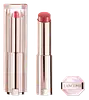
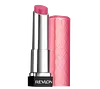
This barrier-repair lip moisturizer is formulated around Squalane and Butyrospermum Parkii Butter to strengthen the lip barrier and hydrate lips.


What's inside
What's inside
 Key Ingredients
Benefits
Concerns
Ingredients Side-by-side
Polyglyceryl-2 Triisostearate
Emulsifying

Squalane
Emollient


Bis-Behenyl/Isostearyl/Phytosteryl Dimer Dilinoleyl Dimer Dilinoleate
EmollientButyrospermum Parkii Butter
Skin Conditioning


Cellulose
Absorbent
Dimer Dilinoleyl Dimer Dilinoleate
EmollientPolyglyceryl-3 Beeswax
Emulsifying
Helianthus Annuus Seed Wax
Skin Conditioning
Hydrogenated Castor Oil Dimer Dilinoleate
Skin Conditioning
Simmondsia Chinensis Butter
Skin Conditioning
Hydrogenated Jojoba Oil
Abrasive
Euphorbia Cerifera Cera
Astringent
Rosa Centifolia Extract
Skin ConditioningRosa Centifolia Flower Extract
Astringent
Camelina Sativa Seed Oil
Skin Conditioning
Canola Oil
Emollient
Mentha Piperita Oil
Masking



Ceramide NP
Skin Conditioning


Saccharomyces Ferment Filtrate
Humectant
Silica
Abrasive
Aluminum Hydroxide
EmollientPropylene Glycol
Humectant
Citric Acid
Buffering

Tocopherol
Antioxidant


Pentaerythrityl Tetra-Di-T-Butyl Hydroxyhydrocinnamate
Antioxidant
CI 45380
Cosmetic ColorantCI 45410
Cosmetic ColorantCI 15850
Cosmetic ColorantCI 77891
Cosmetic ColorantCI 19140
Cosmetic ColorantLimonene
Perfuming
Benzyl Benzoate
Antimicrobial
Parfum
Masking
Polyglyceryl-2 Triisostearate, Squalane, Bis-Behenyl/Isostearyl/Phytosteryl Dimer Dilinoleyl Dimer Dilinoleate, Butyrospermum Parkii Butter, Cellulose, Dimer Dilinoleyl Dimer Dilinoleate, Polyglyceryl-3 Beeswax, Helianthus Annuus Seed Wax, Hydrogenated Castor Oil Dimer Dilinoleate, Simmondsia Chinensis Butter, Hydrogenated Jojoba Oil, Euphorbia Cerifera Cera, Rosa Centifolia Extract, Rosa Centifolia Flower Extract, Camelina Sativa Seed Oil, Canola Oil, Mentha Piperita Oil, Ceramide NP, Saccharomyces Ferment Filtrate, Silica, Aluminum Hydroxide, Propylene Glycol, Citric Acid, Tocopherol, Pentaerythrityl Tetra-Di-T-Butyl Hydroxyhydrocinnamate, CI 45380, CI 45410, CI 15850, CI 77891, CI 19140, Limonene, Benzyl Benzoate, Parfum
Polybutene
Bis-Diglyceryl Polyacyladipate-2
Emollient
Tridecyl Trimellitate
EmollientOctyldodecanol
Emollient
Petrolatum
Emollient
Hydrogenated Polydecene
EmollientNeopentyl Glycol
SolventNeopentyl Glycol Diethylhexanoate
Emollient
Simmondsia Chinensis Seed Oil
Emollient
Polyethylene
Abrasive
Ozokerite
Emulsion StabilisingCetyl PEG/PPG-10/1 Dimethicone
Emulsifying
Calcium Sodium Borosilicate
Calcium Aluminum Borosilicate
Hexyl Laurate
Emollient
Polyglyceryl-4 Isostearate
Emulsifying
Beeswax
Emulsion Stabilising
Zinc Ricinoleate
Squalane
Emollient
Silica
Abrasive
Butyrospermum Parkii Butter
Skin Conditioning
Mangifera Indica Seed Butter
Skin Conditioning
Palmitoyl Oligopeptide
Cleansing
Tocopheryl Acetate
Antioxidant
Cocos Nucifera Oil
Masking
Synthetic Wax
Abrasive
Ethylhexyl Palmitate
Emollient
Tribehenin
Emollient
Sorbitan Isostearate
Emulsifying
Parfum
Masking
BHT
Antioxidant
Caprylyl Glycol
Emollient
1,2-Hexanediol
Skin Conditioning
Mica
Cosmetic ColorantCI 77891
Cosmetic ColorantCI 77491
Cosmetic ColorantCI 77492
Cosmetic ColorantCI 77499
Cosmetic ColorantCI 19140
Cosmetic ColorantCI 15850
Cosmetic ColorantCI 15985
Cosmetic ColorantCI 17200
Cosmetic ColorantCI 75470
Cosmetic ColorantCI 42090
Cosmetic ColorantPolybutene, Bis-Diglyceryl Polyacyladipate-2, Tridecyl Trimellitate, Octyldodecanol, Petrolatum, Hydrogenated Polydecene, Neopentyl Glycol, Neopentyl Glycol Diethylhexanoate, Simmondsia Chinensis Seed Oil, Polyethylene, Ozokerite, Cetyl PEG/PPG-10/1 Dimethicone, Calcium Sodium Borosilicate, Calcium Aluminum Borosilicate, Hexyl Laurate, Polyglyceryl-4 Isostearate, Beeswax, Zinc Ricinoleate, Squalane, Silica, Butyrospermum Parkii Butter, Mangifera Indica Seed Butter, Palmitoyl Oligopeptide, Tocopheryl Acetate, Cocos Nucifera Oil, Synthetic Wax, Ethylhexyl Palmitate, Tribehenin, Sorbitan Isostearate, Parfum, BHT, Caprylyl Glycol, 1,2-Hexanediol, Mica, CI 77891, CI 77491, CI 77492, CI 77499, CI 19140, CI 15850, CI 15985, CI 17200, CI 75470, CI 42090
Reviews
Alternatives
Ingredients Explained
These ingredients are found in both products.
Ingredients higher up in an ingredient list are typically present in a larger amount.
This ingredient is also known as shea butter. It is a plant-derived extract from the nuts of the Africa shea tree and one of the most well-studied emollients.
Because it has a high concentration of fatty acids (primarily oleic, stearic, and linoleic) it is able to form a protective barrier on the skin's surface. This helps seal in moisture and prevents transepidermal water loss (TEWL).
In vitro research found an increase in skin hydration by 58% and a decrease in TEWL by 37.8% after 24 hours of applying this ingredient (pretty impressive for a single ingredient!).
Besides hydration, shea butter also contains triterpenes that have anti-inflammatory potential. In particule, lupeol cinnamate has shown the highest anti-inflammatory activity in vivo.
Shea butter also contains vitamins A and E which may contribute to antioxidant activity.
While Shea Butter has an SPF rating of about 3-4, it is not a sunscreen replacement.
This ingredient may not be fungal acne safe because its fatty acids fall within the C11-C24 range that the Malassezia yeast can metabolize.
This ingredient shows up on a lot of "pore-clogging" lists but there's no real evidence behind that. It doesn't even have a comedogenic rating from an actual study; the numbers you'll find online come from blogs citing other blogs.
Ratings for other ingredients mostly come from a 1980s rabbit ear test. This test doesn't translate well to human skin or to real products because the ingredient sits at a much lower percentage.
Some people still find it breaks them out. So if that's you, definitely trust your skin. Just know this one's based on experience and not evidence.
Learn more about Butyrospermum Parkii ButterCi 15850 is the pigment color red. It is an azo dye and created synthetically.
Azo dyes need to be thoroughly purified before use. This allows them to be more stable and longer-lasting.
This ingredient is common in foundations, lipsticks, and blushes. This color is described as brown/orangey red.
It has many secondary names such as Red 6 and Red 7. According to a manufacturer, Red 6 usually contains aluminum.
Learn more about CI 15850CI 19140 is also known as Tartrazine. Tartrazine is a synthetic dye used in cosmetics, foods, and medicine to add a yellow color.
Tartrazine is created from petroleum and is water-soluble.
Some people may experience allergies from this dye, especially asthmatics and those with an aspirin intolerance.
Learn more about CI 19140Ci 77891 is a white pigment from Titanium dioxide. It is naturally found in minerals such as rutile and ilmenite.
It's main function is to add a white color to cosmetics. It can also be mixed with other colors to create different shades.
Ci 77891 is commonly found in sunscreens due to its ability to block UV rays.
Learn more about CI 77891Parfum is a catch-all term for an ingredient or more that is used to give a scent to products.
Also called "fragrance", this ingredient can be a blend of hundreds of chemicals or plant oils. This means every product with "fragrance" or "parfum" in the ingredients list is a different mixture.
For instance, Habanolide is a proprietary trade name for a specific aroma chemical. When used as a fragrance ingredient in cosmetics, most aroma chemicals fall under the broad labeling category of “FRAGRANCE” or “PARFUM” according to EU and US regulations.
The term 'parfum' or 'fragrance' is not regulated in many countries. In many cases, it is up to the brand to define this term.
For instance, many brands choose to label themselves as "fragrance-free" because they are not using synthetic fragrances. However, their products may still contain ingredients such as essential oils that are considered a fragrance by INCI standards.
One example is Calendula flower extract. Calendula is an essential oil that still imparts a scent or 'fragrance'.
Depending on the blend, the ingredients in the mixture can cause allergies and sensitivities on the skin. Some ingredients that are known EU allergens include linalool and citronellol.
Parfum can also be used to mask or cover an unpleasant scent.
The bottom line is: not all fragrances/parfum/ingredients are created equally. If you are worried about fragrances, we recommend taking a closer look at an ingredient. And of course, we always recommend speaking with a professional.
Learn more about ParfumSilica, also known as silicon dioxide, is a naturally occurring mineral. It is used as a fine, spherical, and porous powder in cosmetics.
Though it has exfoliant properties, the function of silica varies depending on the product.
The unique structure of silica enhances the spreadability and adds smoothness, making it a great texture enhancer.
It is also used as an active carrier, emulsifier, and mattifier due to its ability to absorb excess oil.
In some products, tiny microneedles called spicules are made from silica or hydrolyzed sponge. When you rub them in, they lightly polish away dead skin layers and enhance the penetration of active ingredients.
Learn more about SilicaSqualane is the hydrogenated and shelf-stable form of squalene (a lipid that naturally occurs in human sebum).
It is an emollient and skin conditioning agent that is able to integrate seamlessly into the skin's lipid barrier without clogging pores.
This is due to how structurally similar it is to what your skin already produces.
Though it is mostly an emollient that helps soften and hydrate skin, it also has some humectant and occlusive action. Humectants help the skin retain moisture while occlusives seal it in, making squalane a triple-threat moisturizer.
Research shows it has antioxidant capabilities that help protect against stressors like UV exposure, specifically UVA induced oxidative stress. This study also found that it supports collagen biosynthesis in human dermal fibroblasts.
No clinical study has reported significant adverse effects and irritation reactions are very rare from this ingredient (even at 100% concentration).
Overall, it's a fantastic ingredient for hydration and is suitable for all skin types.
This depends on the source. Squalane can be derived from both plants and animals. Most squalane used in skincare comes from plants.
Please note: the source of squalane is only known if disclosed by the brand. We recommend reaching out to the brand if you have any questions about their squalane.
Read more about squalene with an "e".
Though squalane is often called an oil, it’s technically not one. It is a hydrocarbon, meaning it is only made of carbon and hydrogen. True oils are triglycerides and made of fatty acids and glycerol.
The term “oil-free” isn’t regulated so companies can define it however they want. Some exclude all oils, while others just avoid mineral oil or comedogenic oils.
Squalane has a comedogenic rating of 1 from the original 1972 study that tested raw ingredients under occlusion on rabbit ears. This system is not standardized or peer-reviewed, and using the raw ingredients is very different from how diluted cosmetic formulations are used on human skin.
A comedogenic rating of 1 means it is "unlikely to clog pores" according to the original rating system.
The overall formula of a product matters more than the individual ingredients on whether or not it will cause clogged pores.
Learn more about Squalane

