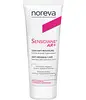
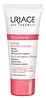
Laboratoires Noreva Sensidiane AR+ Anti-Redness Care Versus Uriage Roseliane Anti-Redness Face Cream
This calming treatment is formulated around Centella Asiatica Extract and Allantoin to calm redness and strengthen the skin barrier.
This calming moisturizer is formulated around Butyrospermum Parkii Butter and Panax Ginseng Root Extract to calm redness and strengthen the skin barrier.


What's inside
What's inside
 Key Ingredients
Benefits
Concerns
Ingredients Side-by-side
Water
Skin ConditioningOctyldodecanol
Emollient
Glycerin
Humectant


Cetearyl Alcohol
Emollient





Caprylic/Capric Triglyceride
Masking
Coconut Alkanes
Emollient
C20-22 Alkyl Phosphate
EmulsifyingC20-22 Alcohols
Emulsion Stabilising
Pentylene Glycol
Skin Conditioning
Benzimidazole Diamond Amidoethyl Urea Carbamoyl Propyl Polymethylsilsesquioxane
Cosmetic Colorant
Propanediol
Solvent
Centella Asiatica Extract
Cleansing



Allantoin
Skin Conditioning
Hydrolyzed Hyaluronic Acid
Humectant
Ficus Carica Fruit Extract
Humectant
Dextran
Palmitoyl Tripeptide-8
Skin Conditioning

Glyceryl Hydroxystearate
Emollient
Methylpropanediol
SolventHydroxyethyl Acrylate/Sodium Acryloyldimethyl Taurate Copolymer
Emulsion StabilisingEthylhexylglycerin
Skin ConditioningChlorphenesin
Antimicrobial
Coco-Caprylate/Caprate
Emollient
Polyisobutene
Caprylhydroxamic Acid
ChelatingSodium Hydroxide
BufferingDisodium EDTA
ChelatingButylene Glycol
Humectant
PEG-7 Trimethylolpropane Coconut Ether
Emulsifying
CI 77288
Cosmetic ColorantSorbitan Isostearate
Emulsifying
Citric Acid
Buffering

Xanthan Gum
EmulsifyingSodium Benzoate
Masking
Potassium Sorbate
Preservative
Water, Octyldodecanol, Glycerin, Cetearyl Alcohol, Caprylic/Capric Triglyceride, Coconut Alkanes, C20-22 Alkyl Phosphate, C20-22 Alcohols, Pentylene Glycol, Benzimidazole Diamond Amidoethyl Urea Carbamoyl Propyl Polymethylsilsesquioxane, Propanediol, Centella Asiatica Extract, Allantoin, Hydrolyzed Hyaluronic Acid, Ficus Carica Fruit Extract, Dextran, Palmitoyl Tripeptide-8, Glyceryl Hydroxystearate, Methylpropanediol, Hydroxyethyl Acrylate/Sodium Acryloyldimethyl Taurate Copolymer, Ethylhexylglycerin, Chlorphenesin, Coco-Caprylate/Caprate, Polyisobutene, Caprylhydroxamic Acid, Sodium Hydroxide, Disodium EDTA, Butylene Glycol, PEG-7 Trimethylolpropane Coconut Ether, CI 77288, Sorbitan Isostearate, Citric Acid, Xanthan Gum, Sodium Benzoate, Potassium Sorbate
Water
Skin ConditioningCetearyl Ethylhexanoate
Emollient
Cetearyl Isononanoate
Emollient
Butyrospermum Parkii Butter
Skin Conditioning
Diglycerin
Humectant
Butylene Glycol
Humectant
Glycerin
Humectant
Polymethyl Methacrylate

Propylheptyl Caprylate
EmollientPtfe
Tapioca Starch
Cetyl Alcohol
Emollient
Pentaerythrityl Distearate
Emulsifying
Steareth-2
EmulsifyingSteareth-21
CleansingMethicone
Emollient
Phenoxyethanol
Preservative
Brassica Campestris Sterols
EmollientGlyceryl Stearate
Emollient
PEG-100 Stearate
Surfactant
Rubus Idaeus Seed Oil
Emollient
Sodium Polyacrylate
Absorbent
CI 77891
Cosmetic ColorantMica
Cosmetic ColorantAcrylates Copolymer
Tocopheryl Acetate
Antioxidant

Xanthan Gum
EmulsifyingPanax Ginseng Root Extract
Emollient
Biosaccharide Gum-1
Humectant
Asiaticoside
Antioxidant
Phytosphingosine
Skin Conditioning
Sorbitol
Humectant
Maltodextrin
Absorbent
Polymethylsilsesquioxane
Ascophyllum Nodosum
Skin Conditioning
Sus Extract
Skin ConditioningAsparagopsis Armata Extract
Skin Protecting
Potassium Sorbate
Preservative
Sodium Hydroxide
BufferingWater, Cetearyl Ethylhexanoate, Cetearyl Isononanoate, Butyrospermum Parkii Butter, Diglycerin, Butylene Glycol, Glycerin, Polymethyl Methacrylate, Propylheptyl Caprylate, Ptfe, Tapioca Starch, Cetyl Alcohol, Pentaerythrityl Distearate, Steareth-2, Steareth-21, Methicone, Phenoxyethanol, Brassica Campestris Sterols, Glyceryl Stearate, PEG-100 Stearate, Rubus Idaeus Seed Oil, Sodium Polyacrylate, CI 77891, Mica, Acrylates Copolymer, Tocopheryl Acetate, Xanthan Gum, Panax Ginseng Root Extract, Biosaccharide Gum-1, Asiaticoside, Phytosphingosine, Sorbitol, Maltodextrin, Polymethylsilsesquioxane, Ascophyllum Nodosum, Sus Extract, Asparagopsis Armata Extract, Potassium Sorbate, Sodium Hydroxide
Reviews
Ingredients Explained
These ingredients are found in both products.
Ingredients higher up in an ingredient list are typically present in a larger amount.
Butylene Glycol (or BG) is used within cosmetic products for a few different reasons:
Overall, Butylene Glycol is a safe and well-rounded ingredient that works well with other ingredients.
Though this ingredient works well with most skin types, some people with sensitive skin may experience a reaction such as allergic rashes, closed comedones, or itchiness.
Learn more about Butylene GlycolGlycerin (or glycerol) is a compound naturally found in your skin. It's a powerhouse humectant that pulls water into the stratum corneum.
Topically, glycerin does several things at once:
Your skin makes glycerin on its own (mostly from sebaceous oil breakdown) and shuttles it to your outermost layer of skin, or your epidermis, via aquaporin-3.
Aquaporin-3 is a transporter that is essential for normal skin hydration, elasticity, and repair. Interestingly, mice lacking in AQP3 have dry and less elastic skin that can be fully corrected with glycerin.
This ingredient is non-irritating, plays well with almost every ingredient, and works across all skin types. Typical use is anywhere between 3-10% but can go up to 79% in some leave-on products.
Just know very high concentrations (>40%) can feel tacky in low humidity.
Glycerin is the name for this ingredient in American English. British English uses Glycerol/Glycerine.
Learn more about GlycerinPotassium Sorbate is a preservative used to prevent yeast and mold in products. It is commonly found in both cosmetic and food products.
This ingredient comes from potassium salt derived from sorbic acid. Sorbic acid is a natural antibiotic and effective against fungus.
Both potassium sorbate and sorbic acid can be found in baked goods, cheeses, dried meats, dried fruit, ice cream, pickles, wine, yogurt, and more.
You'll often find this ingredient used with other preservatives.
Learn more about Potassium SorbateSodium Hydroxide is also known as lye or caustic soda. It is used to adjust the pH of products; many ingredients require a specific pH to be effective.
In small amounts, sodium hydroxide is considered safe to use. However, large amounts may cause chemical burns due to its high alkaline.
Your skin has a natural pH and acid mantle. This acid mantle helps prevent harmful bacteria from breaking through. The acid mantle also helps keep your skin hydrated.
"Alkaline" refers to a high pH level. A low pH level would be considered acidic.
Learn more about Sodium HydroxideWater. It's the most common cosmetic ingredient of all. You'll usually see it at the top of ingredient lists, meaning that it makes up the largest part of the product.
So why is it so popular? Water most often acts as a solvent - this means that it helps dissolve other ingredients into the formulation.
You'll also recognize water as that liquid we all need to stay alive. If you see this, drink a glass of water. Remember to stay hydrated!
Learn more about WaterXanthan gum is used as a stabilizer and thickener within cosmetic products. It helps give products a sticky, thick feeling - preventing them from being too runny.
On the technical side of things, xanthan gum is a polysaccharide - a combination consisting of multiple sugar molecules bonded together.
Xanthan gum is a pretty common and great ingredient. It is a natural, non-toxic, non-irritating ingredient that is also commonly used in food products.
Learn more about Xanthan Gum

