Laboratoires de Biarritz Hydra-Protect+ Replenishing Serum Versus Darphin Intral Inner Youth Rescue Serum
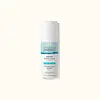
This hydrating serum is formulated around Squalane and Ectoin to hydrate skin and strengthen the skin barrier.
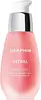
This calming serum is formulated around Panthenol and Resveratrol to calm redness and strengthen the skin barrier.

What's inside
What's inside
 Key Ingredients
Benefits
Concerns
Ingredients Side-by-side
Water
Skin ConditioningGlycerin
Humectant


Squalane
Emollient
Olus Oil
Emollient




Xylitylglucoside
Humectant
Glyceryl Stearate Citrate
Emollient
Ectoin
Skin Conditioning


Hydrolyzed Glycosaminoglycans
HumectantGelidium Sesquipedale Extract
Skin ProtectingAloe Barbadensis Leaf Juice Powder
Skin Conditioning
Anhydroxylitol
Humectant
Xylitol
Humectant
Sodium Hyaluronate
Humectant
Alteromonas Ferment Extract
Skin Conditioning
Sodium Levulinate
Skin ConditioningPolyglyceryl-3 Stearate
Emulsifying
Glyceryl Caprylate
EmollientPropanediol
Solvent
Parfum
Masking


Linoleic Acid
Cleansing
Hydrogenated Lecithin
Emulsifying
Biosaccharide Gum-1
Humectant
Sodium Anisate
AntimicrobialTocopherol
Antioxidant


Polyglyceryl-4 Caprate
EmulsifyingLysolecithin
EmulsifyingSclerotium Gum
Emulsion StabilisingCitric Acid
Buffering
Sodium Phytate
ChelatingOleic Acid
Emollient
Pullulan
Xanthan Gum
EmulsifyingPalmitic Acid
Emollient
Phenethyl Alcohol
MaskingStearic Acid
Cleansing
Silica
Abrasive


Linolenic Acid
Cleansing
Water, Glycerin, Squalane, Olus Oil, Xylitylglucoside, Glyceryl Stearate Citrate, Ectoin, Hydrolyzed Glycosaminoglycans, Gelidium Sesquipedale Extract, Aloe Barbadensis Leaf Juice Powder, Anhydroxylitol, Xylitol, Sodium Hyaluronate, Alteromonas Ferment Extract, Sodium Levulinate, Polyglyceryl-3 Stearate, Glyceryl Caprylate, Propanediol, Parfum, Linoleic Acid, Hydrogenated Lecithin, Biosaccharide Gum-1, Sodium Anisate, Tocopherol, Polyglyceryl-4 Caprate, Lysolecithin, Sclerotium Gum, Citric Acid, Sodium Phytate, Oleic Acid, Pullulan, Xanthan Gum, Palmitic Acid, Phenethyl Alcohol, Stearic Acid, Silica, Linolenic Acid
Water
Skin ConditioningButylene Glycol
Humectant
Glycerin
Humectant
Sodium Hyaluronate
Humectant
Panthenol
Skin Conditioning
Resveratrol
Antioxidant
Paeonia Suffruticosa Root Extract
Skin ProtectingChamomilla Recutita Extract
Skin Conditioning
Crataegus Monogyna Flower Extract
Skin ConditioningCitrullus Lanatus Fruit Extract
Skin Conditioning
Caffeine
Skin Conditioning
Polygonum Cuspidatum Root Extract
Antioxidant
Salicylic Acid
Masking




Camellia Sinensis Leaf Extract
Antimicrobial
Gelidiella Acerosa Extract
Skin Protecting
Alteromonas Ferment Extract
Skin Conditioning
Lens Esculenta Fruit Extract
Skin ConditioningPyrus Malus Fruit Extract
Skin Conditioning
Geranium Robertianum Extract
AstringentAscophyllum Nodosum Extract
Skin Conditioning
Cistus Incanus Flower/Leaf/Stem Extract
Skin ConditioningAsparagopsis Armata Extract
Skin Protecting
Hypnea Musciformis Extract
Skin Protecting
Sorbitol
Humectant
Saccharomyces Lysate Extract
Humectant
Sodium Lactate
Buffering
Propylene Glycol Caprylate
Skin ConditioningSodium PCA
Humectant
Cellulose Gum
Emulsion StabilisingXanthan Gum
EmulsifyingCitric Acid
Buffering
Sodium Sulfate
Caprylyl Glycol
Emollient
PEG-40 Hydrogenated Castor Oil
Emulsifying
Parfum
Masking
Disodium EDTA
ChelatingPotassium Sorbate
Preservative
Phenoxyethanol
Preservative
Sodium Benzoate
Masking
Chlorphenesin
Antimicrobial
CI 14700
Cosmetic ColorantCI 60730
Cosmetic ColorantCI 17200
Cosmetic ColorantCI 42090
Cosmetic ColorantCI 19140
Cosmetic ColorantWater, Butylene Glycol, Glycerin, Sodium Hyaluronate, Panthenol, Resveratrol, Paeonia Suffruticosa Root Extract, Chamomilla Recutita Extract, Crataegus Monogyna Flower Extract, Citrullus Lanatus Fruit Extract, Caffeine, Polygonum Cuspidatum Root Extract, Salicylic Acid, Camellia Sinensis Leaf Extract, Gelidiella Acerosa Extract, Alteromonas Ferment Extract, Lens Esculenta Fruit Extract, Pyrus Malus Fruit Extract, Geranium Robertianum Extract, Ascophyllum Nodosum Extract, Cistus Incanus Flower/Leaf/Stem Extract, Asparagopsis Armata Extract, Hypnea Musciformis Extract, Sorbitol, Saccharomyces Lysate Extract, Sodium Lactate, Propylene Glycol Caprylate, Sodium PCA, Cellulose Gum, Xanthan Gum, Citric Acid, Sodium Sulfate, Caprylyl Glycol, PEG-40 Hydrogenated Castor Oil, Parfum, Disodium EDTA, Potassium Sorbate, Phenoxyethanol, Sodium Benzoate, Chlorphenesin, CI 14700, CI 60730, CI 17200, CI 42090, CI 19140
Reviews
Ingredients Explained
These ingredients are found in both products.
Ingredients higher up in an ingredient list are typically present in a larger amount.
Alteromonas Ferment Extract is derived from a bacteria from in deep sea water. It has skin soothing and antioxidant properties.
Citric Acid is an alpha hydroxy acid (AHA) naturally found in citrus fruits like oranges, lemons, and limes.
Like other AHAs, citric acid can exfoliate skin by breaking down the bonds that hold dead skin cells together. This helps reveal smoother and brighter skin underneath.
However, this exfoliating effect only happens at high concentrations (20%) which can be hard to find in cosmetic products.
Due to this, citric acid is usually included in small amounts as a pH adjuster. This helps keep products slightly more acidic and compatible with skin's natural pH.
In skincare formulas, citric acid can:
While it can provide some skin benefits, research shows lactic acid and glycolic acid are generally more effective and less irritating exfoliants.
Most citric acid used in skincare today is made by fermenting sugars (usually from molasses). This synthetic version is identical to the natural citrus form but easier to stabilize and use in formulations.
Rosacea skin has a lower threshold for acids generally, with 62.5% of rosacea subjects in one study reacting to lactic acid in a sting test. This is why we mark citric acid as a potential rosacea trigger.
However, this ingredient shows up as a pH adjuster or chelator at roughly 0.1-1% in many products. These low levels are unlikely to be an issue for rosacea skin and becomes a potential trigger at exfoliating concentrations (20%). Because everybody's skin is unique, we recommend a patch test if you are unsure.
Learn more about Citric AcidGlycerin (or glycerol) is a compound naturally found in your skin. It's a powerhouse humectant that pulls water into the stratum corneum.
Topically, glycerin does several things at once:
Your skin makes glycerin on its own (mostly from sebaceous oil breakdown) and shuttles it to your outermost layer of skin, or your epidermis, via aquaporin-3.
Aquaporin-3 is a transporter that is essential for normal skin hydration, elasticity, and repair. Interestingly, mice lacking in AQP3 have dry and less elastic skin that can be fully corrected with glycerin.
This ingredient is non-irritating, plays well with almost every ingredient, and works across all skin types. Typical use is anywhere between 3-10% but can go up to 79% in some leave-on products.
Just know very high concentrations (>40%) can feel tacky in low humidity.
Glycerin is the name for this ingredient in American English. British English uses Glycerol/Glycerine.
Learn more about GlycerinParfum is a catch-all term for an ingredient or more that is used to give a scent to products.
Also called "fragrance", this ingredient can be a blend of hundreds of chemicals or plant oils. This means every product with "fragrance" or "parfum" in the ingredients list is a different mixture.
For instance, Habanolide is a proprietary trade name for a specific aroma chemical. When used as a fragrance ingredient in cosmetics, most aroma chemicals fall under the broad labeling category of “FRAGRANCE” or “PARFUM” according to EU and US regulations.
The term 'parfum' or 'fragrance' is not regulated in many countries. In many cases, it is up to the brand to define this term.
For instance, many brands choose to label themselves as "fragrance-free" because they are not using synthetic fragrances. However, their products may still contain ingredients such as essential oils that are considered a fragrance by INCI standards.
One example is Calendula flower extract. Calendula is an essential oil that still imparts a scent or 'fragrance'.
Depending on the blend, the ingredients in the mixture can cause allergies and sensitivities on the skin. Some ingredients that are known EU allergens include linalool and citronellol.
Parfum can also be used to mask or cover an unpleasant scent.
The bottom line is: not all fragrances/parfum/ingredients are created equally. If you are worried about fragrances, we recommend taking a closer look at an ingredient. And of course, we always recommend speaking with a professional.
Learn more about ParfumSodium Hyaluronate is the salt form of hyaluronic acid. It is a long sugar chain that is naturally found in your skin, joints, and connective tissue that maintains hydration and elasticity.
In skincare, it works as a humectant. It pulls water from the environment and deeper layers of skin and binds it to the surface.
Interestingly, the size of the molecule affects its behavior:
Some clinical evidence links low molecular weight versions to improved wrinkle depth, elasticity, anti-inflammatory effects, and barrier repair.
Many serums use a blend of both weights so you can get surface hydration plus longer-lasting and deeper effects.
You'll typically see concentrations between 0.1-2% for this ingredient.
Learn more about Sodium HyaluronateWater. It's the most common cosmetic ingredient of all. You'll usually see it at the top of ingredient lists, meaning that it makes up the largest part of the product.
So why is it so popular? Water most often acts as a solvent - this means that it helps dissolve other ingredients into the formulation.
You'll also recognize water as that liquid we all need to stay alive. If you see this, drink a glass of water. Remember to stay hydrated!
Learn more about WaterXanthan gum is used as a stabilizer and thickener within cosmetic products. It helps give products a sticky, thick feeling - preventing them from being too runny.
On the technical side of things, xanthan gum is a polysaccharide - a combination consisting of multiple sugar molecules bonded together.
Xanthan gum is a pretty common and great ingredient. It is a natural, non-toxic, non-irritating ingredient that is also commonly used in food products.
Learn more about Xanthan Gum

