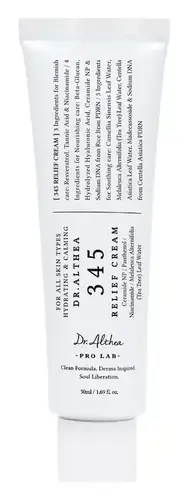
Laboratoire ACM Dépiwhite Advanced Intensive Anti-Brown Spot Cream Versus Laboratoire ACM Depiwhite Day Anti-Brown Spot Day Cream SPF 20
This brightening treatment is formulated around Kojic Acid and Lactic Acid to fade the look of dark spots and brighten dull-looking skin.
This brightening day moisturizer is formulated around Kojic Acid and Ascorbyl Methylsilanol Pectinate to fade the look of dark spots and brighten dull-looking skin.

What's inside
What's inside
 Key Ingredients

Benefits
Concerns
Ingredients Side-by-side
Water
Skin ConditioningVitis Vinifera Seed Oil
Emollient




Propanediol
Solvent
Glycerin
Humectant
Behenyl Alcohol
Emollient
C12-13 Alkyl Lactate
EmollientHydrogenated Coconut Acid
Emollient
Propylene Glycol
Humectant
Glyceryl Stearate Se
Emulsifying

Kojic Acid
Antioxidant



Potassium Cetyl Phosphate
EmulsifyingMagnesium Sulfate
Manganese Sulfate
Skin ConditioningLactic Acid
Buffering





Aluminum Silicate
Abrasive
Ascorbyl Methylsilanol Pectinate
Antioxidant
Niacinamide
Smoothing


Reseda Luteola Extract
Skin ConditioningArctostaphylos Uva Ursi Leaf Extract
Skin Conditioning
Carum Petroselinum Extract
Skin ConditioningTocopherol
Antioxidant
Polyacrylate Crosspolymer-6
Emulsion Stabilising1,2-Hexanediol
Skin Conditioning
Pentylene Glycol
Skin Conditioning
Coco-Caprylate/Caprate
Emollient
Sodium Acrylate/Sodium Acryloyldimethyl Taurate Copolymer
Emulsion StabilisingIsohexadecane
EmollientDisodium EDTA
ChelatingMethylpropanediol
SolventO-Cymen-5-Ol
Antimicrobial
Hexamidine Diisethionate
Emollient
Sodium Metabisulfite
Antioxidant
Polysorbate 80
Emulsifying
T-Butyl Alcohol
Perfuming



Sorbitan Oleate
Emulsifying
Water, Vitis Vinifera Seed Oil, Propanediol, Glycerin, Behenyl Alcohol, C12-13 Alkyl Lactate, Hydrogenated Coconut Acid, Propylene Glycol, Glyceryl Stearate Se, Kojic Acid, Potassium Cetyl Phosphate, Magnesium Sulfate, Manganese Sulfate, Lactic Acid, Aluminum Silicate, Ascorbyl Methylsilanol Pectinate, Niacinamide, Reseda Luteola Extract, Arctostaphylos Uva Ursi Leaf Extract, Carum Petroselinum Extract, Tocopherol, Polyacrylate Crosspolymer-6, 1,2-Hexanediol, Pentylene Glycol, Coco-Caprylate/Caprate, Sodium Acrylate/Sodium Acryloyldimethyl Taurate Copolymer, Isohexadecane, Disodium EDTA, Methylpropanediol, O-Cymen-5-Ol, Hexamidine Diisethionate, Sodium Metabisulfite, Polysorbate 80, T-Butyl Alcohol, Sorbitan Oleate
Water
Skin ConditioningC12-13 Alkyl Lactate
EmollientVitis Vinifera Seed Oil
Emollient
Glycerin
Humectant
Butylene Glycol
Humectant
Bis-Ethylhexyloxyphenol Methoxyphenyl Triazine
UV Absorber
Steareth-21
CleansingEthylhexyl Methoxycinnamate
UV Absorber
Steareth-2
EmulsifyingKojic Acid
Antioxidant
Petrolatum
Emollient
Stearyl Alcohol
Emollient
Cetearyl Alcohol
Emollient
Cyclopentasiloxane
Emollient
Dimethicone
Emollient
Aluminum Silicate
Abrasive
Ascorbyl Methylsilanol Pectinate
Antioxidant
Lactic Acid
Buffering
Coco-Glucoside
Cleansing
Isohexadecane
EmollientCyclohexasiloxane
Emollient
Potassium Cetyl Phosphate
EmulsifyingSodium Acrylate/Sodium Acryloyldimethyl Taurate Copolymer
Emulsion StabilisingAmmonium Acryloyldimethyltaurate/Vp Copolymer
Stearic Acid
Cleansing
Aluminum Hydroxide
EmollientPolysorbate 80
Emulsifying
Phenoxyethanol
Preservative
O-Cymen-5-Ol
Antimicrobial
Disodium EDTA
ChelatingBHT
Antioxidant
Sodium Sulfite
Preservative
Sodium Metabisulfite
Antioxidant
Water, C12-13 Alkyl Lactate, Vitis Vinifera Seed Oil, Glycerin, Butylene Glycol, Bis-Ethylhexyloxyphenol Methoxyphenyl Triazine, Steareth-21, Ethylhexyl Methoxycinnamate, Steareth-2, Kojic Acid, Petrolatum, Stearyl Alcohol, Cetearyl Alcohol, Cyclopentasiloxane, Dimethicone, Aluminum Silicate, Ascorbyl Methylsilanol Pectinate, Lactic Acid, Coco-Glucoside, Isohexadecane, Cyclohexasiloxane, Potassium Cetyl Phosphate, Sodium Acrylate/Sodium Acryloyldimethyl Taurate Copolymer, Ammonium Acryloyldimethyltaurate/Vp Copolymer, Stearic Acid, Aluminum Hydroxide, Polysorbate 80, Phenoxyethanol, O-Cymen-5-Ol, Disodium EDTA, BHT, Sodium Sulfite, Sodium Metabisulfite
Reviews
Alternatives
Ingredients Explained
These ingredients are found in both products.
Ingredients higher up in an ingredient list are typically present in a larger amount.
Aluminum Silicate is an exfoliant.
Ascorbyl Methylsilanol Pectinate is a form of Vitamin C. It is created by mixing Ascorbic Acid (pure Vitamin C) and pectin.
Ascorbyl Methylsilanol Pectinate has antioxidant properties. Antioxidants help your body fight free-radical molecules. These molecules are unstable and may cause damage to your cells. Antioxidants help stabilize them. Due to this, Ascorbyl Methylsilanol Pectinate may slow down signs of aging such as hyperpigmentation and wrinkle formation.
Ascorbyl Methylsilanol Pectinate is considered stable.
In products, Ascorbyl Methylsilanol Pectinate can also help enhance the texture.
Read more about other types of Vitamin C:
Learn more about Ascorbyl Methylsilanol PectinateWe don't have a description for C12-13 Alkyl Lactate yet.
Disodium EDTA is a chelating agent. It grabs onto and deactivates metal ions that sneak into your products from water, packaging, or air.
This ingredient mainly works behind the scenes and helps with:
On top of that, this ingredient can counteract the effects of hard water by binding to the minerals in it.
One thing worth knowing is that Disodium EDTA has been shown to be a mild penetration enhancer. It can help other ingredients absorb into skin more effectively which can be a double-edged sword (great for actives, but can also make the active too strong if you have sensitive skin).
Clinical patch testing showed no significant skin irritation at typical use concentrations and minimal dermal absorption.
You'll most likely see this ingredient near the end of an ingredient list. It's typically found in concentrations less than 1%.
Learn more about Disodium EDTAGlycerin (or glycerol) is a compound naturally found in your skin. It's a powerhouse humectant that pulls water into the stratum corneum.
Topically, glycerin does several things at once:
Your skin makes glycerin on its own (mostly from sebaceous oil breakdown) and shuttles it to your outermost layer of skin, or your epidermis, via aquaporin-3.
Aquaporin-3 is a transporter that is essential for normal skin hydration, elasticity, and repair. Interestingly, mice lacking in AQP3 have dry and less elastic skin that can be fully corrected with glycerin.
This ingredient is non-irritating, plays well with almost every ingredient, and works across all skin types. Typical use is anywhere between 3-10% but can go up to 79% in some leave-on products.
Just know very high concentrations (>40%) can feel tacky in low humidity.
Glycerin is the name for this ingredient in American English. British English uses Glycerol/Glycerine.
Learn more about GlycerinIsohexadecane is added to enhance texture, emulsify, and to help cleanse. It is an isoparrafin. It is a component of petrolatum.
Due to its large size, Isohexadecane is not absorbed by the skin. Instead, it sits on top and acts as an emollient. Emollients help keep your skin soft and smooth by trapping moisture within.
Isohexadecane is often used in products designed to help oily skin. It is lightweight and non-greasy while helping to moisturize. When mixed with silicones, it gives a product a silky feel.
Learn more about IsohexadecaneKojic Acid is a naturally occurring organic acid that is produced during the fermentation of certain fungi. It is one of the most well-studied brightening ingredients (tyrosinase inhibitors) out there.
That's why you'll see Kojic Acid in products that target dark spots, hyperpigmentation, and general uneven skin tone. It also pairs well with other brightening actives like Alpha Arbutin, Glycolic Acid, and Vitamin C derivatives.
By latching onto the copper that the enzyme tyrosinase needs to function, Kojic Acid prevents less pigment from being made. It's so well-established that researchers regularly use it as the go-to benchmark when testing new brightening ingredients.
Some other perks include documented antioxidant and antimicrobial properties. The The CIR (Cosmetic Ingredient Review) Expert Panel concluded Kojic Acid is safe for use in cosmetic products at concentrations up to 1% and the EU's SCCS (Scientific Committee on Consumer Safety) considers it safe as a skin lightening agent at concentrations up to 0.7%.
One thing to know about Kojic Acid is that stability is its weak spot; it is sensitive to light, heat, and air exposure and will oxidize/turn brown in formulations. Its derivative, Kojic Dipalmitate, was developed as a stable alternative.
Some individuals have reported contact sensitization so be sure to patch test if you have reactive or sensitive skin.
Fun fact: It was first discovered in 1907 and naturally occurs in the production of sake, soy sauce, and miso.
Learn more about Kojic AcidLactic Acid is another well-loved alpha hydroxy acid (AHA). It is gentler than glycolic acid but still highly effective.
Its main role is to exfoliate the surface of the skin by loosening the “glue” that holds dead skin cells together. Shedding those old cells leads to smoother, softer, and more even-toned skin.
Because lactic acid molecules are larger than glycolic acid, they don’t penetrate as deeply. This means they’re less likely to sting or irritate, making it a great choice for beginners or those with sensitive skin.
Like glycolic acid, it can:
Lactic acid also acts as a humectant (like hyaluronic acid). It can draw water into the skin to improve hydration and also plays a role in the skin's natural moisturizing factor (NMF) in the form of sodium lactate.
Studies show it can boost ceramide production to strengthen the skin barrier and even help balance the skin’s microbiome.
To get results, choose products with a pH between 3-4.
Lower strengths (5-12%) focus on surface exfoliation; higher strengths (12% and up) can reach deeper in the dermis (deeper, supportive layer) to improve skin texture and firmness over time.
Though it was originally derived from milk, most modern lactic acid used in skincare is vegan. It is made through non-dairy fermentation to create a bio-identical and stable form suitable for all formulations.
When lactic acid shows up near the end of an ingredient list, it usually means the brand added just a tiny amount to adjust the product’s pH.
Legend has it that Cleopatra used to bathe in sour milk to help reduce wrinkles.
Lactic acid is truly a gentle multitasker: it exfoliates, hydrates, strengthens, and brightens. It's a great ingredient for giving your skin a smooth, glowing, and healthy look without the harshness of stronger acids.
Read more about some other popular AHA's here:
Learn more about Lactic AcidThis ingredient is more commonly known as IPMP or Isopropyl Methylphenol. It is a preservative and has antimicrobial properties.
According to the EPA, this ingredient is allowed for use in cleansers, creams, powders, bath products, toothpaste, perfume, and more.
Polysorbate 80 is a synthetic surfactant and emulsifier derived from sorbitol and oleic acid.
It reduces the surface tension between oil and water phases to help them stay mixed and stable in a formulation. In other words, it prevents your formulas from separating into an oily mess.
The CIR Expert Panel has evaluated the scientific data and found this ingredient to be safe, non-irritating, and non-sensitizing at concentrations up to 5% (it's even approved by the FDA as an OTC eye drop ingredient).
Learn more about Polysorbate 80Potassium Cetyl Phosphate is the potassium salt of a mixture. This mixture consists of the esters from phosphoricacid and cetyl alcohol.
Potassium Cetyl Phosphate is an emulsifier and cleansing agent. Emulsifiers help stabilize a product. It does this by preventing certain ingredients from separating.
As a cleansing agent, Potassium Cetyl Phosphate helps gather oils, dirts, and pollutants from your skin. This makes it easier to rinse them away with water.
Learn more about Potassium Cetyl PhosphateThis long ingredient is a copolymer of sodium acrylate and sodium acryloyldimethyl taurate monomers.
It is used to help stabilize other ingredients and create a thicker gel-like texture.
Emulsifiers prevent oils and waters from separating.
Learn more about Sodium Acrylate/Sodium Acryloyldimethyl Taurate CopolymerSodium metabisulfite is also known as Sodium Pyrosulfite. It is a preservative, antioxidant, and disinfectant.
As a preservative, it helps stabilize cosmetic formulas without affecting their color or scent.
Vitis Vinifera Seed Oil comes from the grape vine. Grape seeds are a byproduct of creating grape juice or wine.
The components of grape seeds have many skin benefits. Research has found it to be antimicrobial and anti-inflammatory. It also contains many potent antioxidants such as Vitamin E , Vitamin C, proanthocyanidins, polyphenols, flavonoids, and anthocyanins. Proanthocyanidin has been shown to help even out skin tone.
Antioxidants help fight free-radical molecules. Free-radical molecules are capable of damaging our cells and other genetic material. Antioxidants help stabilize free-radicals by donating extra electrons. Grape seed extract may help reduce the signs of aging.
The antimicrobial properties of grape seed may help treat acne. However, more research is needed to support this claim.
Grape seed has also been found to help absorb UV rays. Grape seed extract should not replace your sunscreen.
The fatty acids of grape seed oil give it emollient properties. Emollients help soothe and soften your skin by creating a film. This film traps moisture within, keeping your skin hydrated.
Learn more about Vitis Vinifera Seed OilWater. It's the most common cosmetic ingredient of all. You'll usually see it at the top of ingredient lists, meaning that it makes up the largest part of the product.
So why is it so popular? Water most often acts as a solvent - this means that it helps dissolve other ingredients into the formulation.
You'll also recognize water as that liquid we all need to stay alive. If you see this, drink a glass of water. Remember to stay hydrated!
Learn more about Water