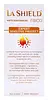
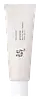
La Shield Fisico Matte Sunscreen Gel SPF 50 PA++ Versus Beauty of Joseon Relief Sun : Rice + Probiotics SPF 50+ PA++++
This mineral sunscreen covers the full UV range and blocks ~98% of UVB at SPF 50.
This chemical sunscreen covers the full UV range and blocks ~98% of UVB at SPF 50.


What's inside
What's inside
 Key Ingredients
Benefits
Concerns
Ingredients Side-by-side
Cyclopentasiloxane
Emollient
Zinc Oxide
Cosmetic Colorant


C12-15 Alkyl Benzoate
AntimicrobialDimethicone
Emollient
Dimethicone Crosspolymer
Emulsion Stabilising
Dimethicone/Vinyl Dimethicone Crosspolymer
Skin Conditioning
Caprylyl Methicone
Skin Conditioning
Isostearic Acid
Cleansing



Polyhydroxystearic Acid
Emulsifying
Coco-Caprylate/Caprate
Emollient
PEG-12 Dimethicone/PPG-20 Crosspolymer
Silica
Abrasive

Polyglyceryl-3 Polyricinoleate
Emulsifying
Polymethylsilsesquioxane
Tocopheryl Acetate
Antioxidant


Cyclopentasiloxane, Zinc Oxide, C12-15 Alkyl Benzoate, Dimethicone, Dimethicone Crosspolymer, Dimethicone/Vinyl Dimethicone Crosspolymer, Caprylyl Methicone, Isostearic Acid, Polyhydroxystearic Acid, Coco-Caprylate/Caprate, PEG-12 Dimethicone/PPG-20 Crosspolymer, Silica, Polyglyceryl-3 Polyricinoleate, Polymethylsilsesquioxane, Tocopheryl Acetate
Water
Skin ConditioningDibutyl Adipate
EmollientPropanediol
Solvent

Diethylamino Hydroxybenzoyl Hexyl Benzoate
UV Filter
Polymethylsilsesquioxane
Ethylhexyl Triazone
UV Absorber
Niacinamide
Smoothing






Methylene Bis-Benzotriazolyl Tetramethylbutylphenol
UV Filter
Coco-Caprylate/Caprate
Emollient
Caprylyl Methicone
Skin Conditioning
Diethylhexyl Butamido Triazone
UV Absorber
Glycerin
Humectant
1,2-Hexanediol
Skin Conditioning
Butylene Glycol
Humectant
Oryza Sativa Extract
Absorbent
Oryza Sativa Germ Extract
EmollientCamellia Sinensis Leaf Extract
Antimicrobial
Lactobacillus/Pumpkin Ferment Extract
Skin ConditioningBacillus/Soybean Ferment Extract
Skin ConditioningSaccharum Officinarum Extract
MoisturisingMacrocystis Pyrifera Extract
Skin Conditioning
Cocos Nucifera Fruit Extract
Emollient
Panax Ginseng Root Extract
Emollient
Monascus/Rice Ferment
Antioxidant
Behenyl Alcohol
Emollient
Poly C10-30 Alkyl Acrylate
Emulsion StabilisingPolyglyceryl-3 Methylglucose Distearate
Emulsifying
Decyl Glucoside
Cleansing
Tromethamine
BufferingCarbomer
Emulsion StabilisingAcrylates/C10-30 Alkyl Acrylate Crosspolymer
Emulsion StabilisingSodium Stearoyl Glutamate
CleansingPolyacrylate Crosspolymer-6
Emulsion StabilisingAdenosine
Skin Conditioning
Xanthan Gum
EmulsifyingT-Butyl Alcohol
Perfuming



Tocopherol
Antioxidant
Lactobacillus/Rice Ferment
Skin Conditioning
Aspergillus Ferment
Skin ConditioningSaccharomyces/Rice Ferment Filtrate
Skin Conditioning
Pentylene Glycol
Skin Conditioning
Ethylhexylglycerin
Skin ConditioningWater, Dibutyl Adipate, Propanediol, Diethylamino Hydroxybenzoyl Hexyl Benzoate, Polymethylsilsesquioxane, Ethylhexyl Triazone, Niacinamide, Methylene Bis-Benzotriazolyl Tetramethylbutylphenol, Coco-Caprylate/Caprate, Caprylyl Methicone, Diethylhexyl Butamido Triazone, Glycerin, 1,2-Hexanediol, Butylene Glycol, Oryza Sativa Extract, Oryza Sativa Germ Extract, Camellia Sinensis Leaf Extract, Lactobacillus/Pumpkin Ferment Extract, Bacillus/Soybean Ferment Extract, Saccharum Officinarum Extract, Macrocystis Pyrifera Extract, Cocos Nucifera Fruit Extract, Panax Ginseng Root Extract, Monascus/Rice Ferment, Behenyl Alcohol, Poly C10-30 Alkyl Acrylate, Polyglyceryl-3 Methylglucose Distearate, Decyl Glucoside, Tromethamine, Carbomer, Acrylates/C10-30 Alkyl Acrylate Crosspolymer, Sodium Stearoyl Glutamate, Polyacrylate Crosspolymer-6, Adenosine, Xanthan Gum, T-Butyl Alcohol, Tocopherol, Lactobacillus/Rice Ferment, Aspergillus Ferment, Saccharomyces/Rice Ferment Filtrate, Pentylene Glycol, Ethylhexylglycerin
Reviews
Ingredients Explained
These ingredients are found in both products.
Ingredients higher up in an ingredient list are typically present in a larger amount.
Caprylyl Methicone is a synthetic and lightweight silicone fluid. It gives products a silky, dry-touch finish without the heaviness of pure oils.
Though the EU CosIng Database lists this ingredient as a skin conditioner, it is also used for sensory reasons. It spreads easily, cuts greasiness, and reduces tackiness.
This ingredient is volatile which means it will mostly evaporate (but it evaporates slower than older cyclomethicones, like Cyclotetrasiloxane).
Typical concentration ranges from 1-30% depending on if it's being used to tweak the feel of a product or acting as the main emollient.
Learn more about Caprylyl MethiconeCoco-Caprylate/Caprate is a lightweight ester created from coconut oil fatty acids, caprylic acid, and capric acid.
It is an emollient that helps soften skin and reduce transepidermal water loss (TEWL). What sets it apart from heavier emollients is its ultralight, non-greasy feel.
Once applied, this ingredient dries down quickly and leaves a dry, silky finish behind. This also helps improve spreadability and texture.
This ingredient has an excellent safety-record and is non-irritating.
Typical concentrations for cosmetics range from 0.5-62%.
Research on Malassezia growth found no growth on fatty acid esters with chain lengths shorter than 12 carbons (it prefers C11-24).
Since Coco-Caprylate/Caprate is built on C8 and C10 fatty acids, it is out of the range that Malassezia metabolizes, and therefore safe for fungal acne.
Learn more about Coco-Caprylate/CapratePolymethylsilsesquioxane is a silicone used as a film forming agent.
When applied to the skin, this ingredient creates an invisible film on the surface. This film still allows oxygen to pass through, but prevents moisture from escaping. This can help condition and hydrate the skin. It also leaves a silky feel when applied.
Polymethylsilsesquioxane has not been shown to clog pores. It has been deemed safe to use up to 55%, but most cosmetics use much less.
If you have concerns about using this ingredient, we recommend speaking with a professional.
Learn more about Polymethylsilsesquioxane

