La Roche-Posay Toleriane Double Repair Face Moisturizer Versus Eminence Organics Clear Skin Probiotic Moisturizer
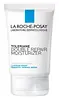
This barrier-repair moisturizer is formulated around Squalane and Niacinamide to strengthen the skin barrier and hydrate skin.
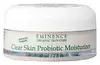
This acne moisturizer is formulated around Salix Alba Bark Extract and Melaleuca Alternifolia Leaf Oil to clear breakouts and balance excess oil.


What's inside
What's inside
 Key Ingredients
Benefits
Concerns
Ingredients Side-by-side
Water
Skin ConditioningGlycerin
Humectant


Squalane
Emollient
Dimethicone
Emollient
Zea Mays Starch
Absorbent
Niacinamide
Smoothing







Ammonium Polyacryloyldimethyl Taurate
Emulsion StabilisingMyristyl Myristate
Emollient




Stearic Acid
Cleansing
Ceramide NP
Skin Conditioning
Potassium Cetyl Phosphate
EmulsifyingGlyceryl Stearate Se
Emulsifying
Sodium Hydroxide
BufferingMyristic Acid
Cleansing
Palmitic Acid
Emollient
Capryloyl Glycine
CleansingCaprylyl Glycol
Emollient
Xanthan Gum
EmulsifyingWater, Glycerin, Squalane, Dimethicone, Zea Mays Starch, Niacinamide, Ammonium Polyacryloyldimethyl Taurate, Myristyl Myristate, Stearic Acid, Ceramide NP, Potassium Cetyl Phosphate, Glyceryl Stearate Se, Sodium Hydroxide, Myristic Acid, Palmitic Acid, Capryloyl Glycine, Caprylyl Glycol, Xanthan Gum
Cucumis Melo Juice
SoothingSalix Alba Bark Extract
Astringent
Rosa Canina Fruit Extract
Astringent
Hydrolyzed Grape Fruit Extract
HumectantSymphytum Officinale Leaf Extract
Skin ConditioningLavandula Angustifolia Flower Extract
Cleansing

Equisetum Arvense Extract
AstringentMentha Piperita Leaf Extract
Skin ConditioningCalendula Officinalis Flower Extract
Masking
Glycine Max Root Extract
Skin ConditioningCetearyl Alcohol
Emollient
Cetearyl Glucoside
Emulsifying
Propanediol
Solvent
Undecane
EmollientTridecane
Perfuming
Panthenol
Skin Conditioning
Yogurt
Skin ProtectingGlycerin
Humectant
Caesalpinia Spinosa Gum
Skin ConditioningLactic Acid
Buffering
Glyceryl Stearate
Emollient
Cetyl Palmitate
Emollient
Cocoglycerides
Emollient
Sodium Cetearyl Sulfate
Cleansing
Calendula Officinalis Flower Oil
Masking

Cellulose
Absorbent
Cyclodextrin
AbsorbentMelaleuca Alternifolia Leaf Oil
Antioxidant
Stearic Acid
Cleansing
Benzyl Alcohol
Perfuming

Dehydroacetic Acid
Preservative
Tocopherol
Antioxidant
Algin
MaskingSalicylic Acid
Masking

Sodium Benzoate
Masking
Potassium Sorbate
Preservative
Cucumis Sativus Fruit Extract
Emollient
Menthol
Masking
Calcium Ascorbate
Antioxidant
Lecithin
Emollient
Citrus Limon Fruit Extract
Masking
Malpighia Emarginata Fruit Extract
Skin ConditioningPhyllanthus Emblica Fruit Extract
HumectantAdansonia Digitata Seed Oil
Emollient
Camphor
Masking
Daucus Carota Sativa Root Extract
Skin Conditioning
Cocos Nucifera Water
Masking
Lycium Barbarum Fruit Extract
Astringent
Tapioca Starch
Thioctic Acid
Antioxidant
Cucumis Melo Juice, Salix Alba Bark Extract, Rosa Canina Fruit Extract, Hydrolyzed Grape Fruit Extract, Symphytum Officinale Leaf Extract, Lavandula Angustifolia Flower Extract, Equisetum Arvense Extract, Mentha Piperita Leaf Extract, Calendula Officinalis Flower Extract, Glycine Max Root Extract, Cetearyl Alcohol, Cetearyl Glucoside, Propanediol, Undecane, Tridecane, Panthenol, Yogurt, Glycerin, Caesalpinia Spinosa Gum, Lactic Acid, Glyceryl Stearate, Cetyl Palmitate, Cocoglycerides, Sodium Cetearyl Sulfate, Calendula Officinalis Flower Oil, Cellulose, Cyclodextrin, Melaleuca Alternifolia Leaf Oil, Stearic Acid, Benzyl Alcohol, Dehydroacetic Acid, Tocopherol, Algin, Salicylic Acid, Sodium Benzoate, Potassium Sorbate, Cucumis Sativus Fruit Extract, Menthol, Calcium Ascorbate, Lecithin, Citrus Limon Fruit Extract, Malpighia Emarginata Fruit Extract, Phyllanthus Emblica Fruit Extract, Adansonia Digitata Seed Oil, Camphor, Daucus Carota Sativa Root Extract, Cocos Nucifera Water, Lycium Barbarum Fruit Extract, Tapioca Starch, Thioctic Acid
Reviews
Alternatives
Ingredients Explained
These ingredients are found in both products.
Ingredients higher up in an ingredient list are typically present in a larger amount.
Glycerin (or glycerol) is a compound naturally found in your skin. It's a powerhouse humectant that pulls water into the stratum corneum.
Topically, glycerin does several things at once:
Your skin makes glycerin on its own (mostly from sebaceous oil breakdown) and shuttles it to your outermost layer of skin, or your epidermis, via aquaporin-3.
Aquaporin-3 is a transporter that is essential for normal skin hydration, elasticity, and repair. Interestingly, mice lacking in AQP3 have dry and less elastic skin that can be fully corrected with glycerin.
This ingredient is non-irritating, plays well with almost every ingredient, and works across all skin types. Typical use is anywhere between 3-10% but can go up to 79% in some leave-on products.
Just know very high concentrations (>40%) can feel tacky in low humidity.
Glycerin is the name for this ingredient in American English. British English uses Glycerol/Glycerine.
Learn more about GlycerinStearic Acid is a fatty acid that is already found in your skin. It's one of the free fatty acids that works alongside ceramides and cholesterols to maintain your barrier.
In cosmetics, it is a multitasker:
Safety-wise, the CIR Expert Panel has concluded it to be safe in cosmetics when formulated to be non-irritating and non-sensitizing.
Free stearic acid is a C18 fatty acid that the Malassezia yeast can substrate, so this ingredient may not be fungal acne safe.
Learn more about Stearic Acid

