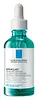
This acne serum is formulated around Glycolic Acid and Niacinamide to clear breakouts and refine skin texture.
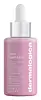
This smoothing exfoliator is formulated around Glycolic Acid and Gluconolactone to refine skin texture and brighten dull-looking skin.


What's inside
What's inside
 Key Ingredients
Benefits
Concerns
Ingredients Side-by-side
Water
Skin ConditioningAlcohol Denat.
Antimicrobial




Propanediol
Solvent

Glycolic Acid
Buffering









Niacinamide
Smoothing


Dimethyl Isosorbide
SolventPentylene Glycol
Skin Conditioning
Salicylic Acid
Masking

Sodium Hydroxide
BufferingPEG-60 Hydrogenated Castor Oil
Emulsifying

Hydroxyethylpiperazine Ethane Sulfonic Acid
BufferingCitric Acid
Buffering
PEG-30 Glyceryl Cocoate
Emulsifying
Capryloyl Salicylic Acid
Exfoliating
Biosaccharide Gum-1
Humectant
Maltodextrin
Absorbent
Phytic Acid
Polyquaternium-10
Parfum
Masking

Water, Alcohol Denat., Propanediol, Glycolic Acid, Niacinamide, Dimethyl Isosorbide, Pentylene Glycol, Salicylic Acid, Sodium Hydroxide, PEG-60 Hydrogenated Castor Oil, Hydroxyethylpiperazine Ethane Sulfonic Acid, Citric Acid, PEG-30 Glyceryl Cocoate, Capryloyl Salicylic Acid, Biosaccharide Gum-1, Maltodextrin, Phytic Acid, Polyquaternium-10, Parfum
Water
Skin ConditioningLactobacillus/Punica Granatum Fruit Ferment Extract
Antioxidant
Glycolic Acid
Buffering
Aminomethyl Propanol
BufferingPhytic Acid
Gluconolactone
Skin Conditioning
Glycerin
Humectant
Propanediol
Solvent
Lactic Acid
Buffering
Salicylic Acid
Masking
Tranexamic Acid
Astringent
Hydroxyacetophenone
Antioxidant
Sodium Hyaluronate
Humectant
Hydrolyzed Gardenia Florida Extract
Antioxidant
Zanthoxylum Bungeanum Fruit Extract
Skin ConditioningVaccinium Macrocarpon Fruit Extract
AstringentHelianthus Annuus Seed Oil
Emollient
Citrus Aurantium Bergamia Fruit Oil
Masking
Citrus Nobilis Peel Oil
Masking
Leuconostoc/Radish Root Ferment Filtrate
Antimicrobial
Raspberry Ketone
Masking
Rosa Damascena Flower
Skin ConditioningSodium PCA
Humectant
Sucrose Distearate
Emollient
Succinoglycan
Skin ConditioningUrea
Buffering
Ceramide NP
Skin Conditioning
Phytosphingosine
Skin Conditioning
Hydrogenated Lecithin
Emulsifying
Caprylyl Glycol
Emollient
Oleyl Alcohol
Emollient

Triolein
Skin Conditioning
Caprylic/Capric Triglyceride
Masking
Oleic Acid
Emollient
Ethoxydiglycol
HumectantCholesterol
Emollient
Trehalose
Humectant
Polyquaternium-51
Skin Conditioning
Maltodextrin
Absorbent
Ethyl Acetate
Perfuming
Caprylhydroxamic Acid
1,2-Hexanediol
Skin Conditioning
Polyacrylate Crosspolymer-6
Emulsion StabilisingStearic Acid
Cleansing
Gamma-Undecalactone
Perfuming
Water, Lactobacillus/Punica Granatum Fruit Ferment Extract, Glycolic Acid, Aminomethyl Propanol, Phytic Acid, Gluconolactone, Glycerin, Propanediol, Lactic Acid, Salicylic Acid, Tranexamic Acid, Hydroxyacetophenone, Sodium Hyaluronate, Hydrolyzed Gardenia Florida Extract, Zanthoxylum Bungeanum Fruit Extract, Vaccinium Macrocarpon Fruit Extract, Helianthus Annuus Seed Oil, Citrus Aurantium Bergamia Fruit Oil, Citrus Nobilis Peel Oil, Leuconostoc/Radish Root Ferment Filtrate, Raspberry Ketone, Rosa Damascena Flower, Sodium PCA, Sucrose Distearate, Succinoglycan, Urea, Ceramide NP, Phytosphingosine, Hydrogenated Lecithin, Caprylyl Glycol, Oleyl Alcohol, Triolein, Caprylic/Capric Triglyceride, Oleic Acid, Ethoxydiglycol, Cholesterol, Trehalose, Polyquaternium-51, Maltodextrin, Ethyl Acetate, Caprylhydroxamic Acid, 1,2-Hexanediol, Polyacrylate Crosspolymer-6, Stearic Acid, Gamma-Undecalactone
Reviews
Ingredients Explained
These ingredients are found in both products.
Ingredients higher up in an ingredient list are typically present in a larger amount.
Glycolic Acid is arguably the most famous alpha hydroxy acid (AHA) with tons of research backing its benefits.
It is found naturally in sugar cane but the form used in skincare is usually synthetic for purity and stability.
Glycolic acid removes the top layer of dead skin cells to allow newer and fresher ones to emerge.
AHAs work by breaking down the structural “glue” that holds old skin cells in place. When that buildup is gone, your skin can renew itself more efficiently.
Research also shows glycolic acid stimulates collagen production, helping to firm and thicken the skin over time. This is one of its biggest advantages over other AHAs.
Overall, glycolic acid helps with:
Fun fact: Glycolic acid boosts skin hydration by helping it produce molecules that increase hyaluronic acid naturally.
To work best, glycolic acid products should have a pH between 3-4 (that’s where exfoliation is most effective but still gentle on skin).
The pH and concentration of a product are key to its effectiveness:
It is normal to feel a slight stinging sensation when using glycolic acid. This usually fades as your skin adjusts.
Because glycolic acid has the smallest molecular size in the AHA family, it can penetrate deeper, which enhances its effectiveness but also makes it more likely to irritate sensitive skin.
If your skin is very sensitive or prone to rosacea, glycolic acid may be too strong; in that case, try milder options like lactic acid or a PHA instead.
Recent studies suggest glycolic acid might even help protect against UV damage. But don’t skip sunscreen! Freshly exfoliated skin is more sensitive to the sun.
Glycolic acid is a skincare superstar. It smooths, brightens, hydrates, and firms the skin. Unless you’re highly sensitive, it’s well worth adding to your routine.
Read more about some other popular AHA's here:
Learn more about Glycolic AcidMaltodextrin is a plant-derived carbohydrate made by breaking down starch (usually from corn, potato, or rice). In cosmetic formulas, it's a multitasking absorbent, emulsion stabilizer, and skin conditioner.
This ingredient is mostly used to stabilize emulsions and improve the powdery, non-greasy feel of products (like dry shampoos).
Safety-wise, this ingredient is pretty solid; it's even recognized as a food additive. Both animal and clinical studies found no adverse effects at the levels used in cosmetics.
Industry data shows this ingredient is used up to 45.7% in spray products and up to 33% in powder products.
Learn more about MaltodextrinPhytic Acid is a gentle AHA and antioxidant. AHAs are chemical exfoliants that help remove dead skin cells. Phytic Acid has a slight and mild exfoliating effect.
The chemical makeup makes it classified as an AHA, much like lactic acid.
In some cases, it is a chelating agent. Chelating agents help prevent metals from binding to water, helping to stabilize the ingredients in a product.
An interesting fact about phytic acid is that it is considered an antinutrient. People do not have the enzyme needed to properly breakdown and digest phytic acid. When ingested, phytic acid binds to minerals and prevents them from being absorbed.
Read more about some other popular AHA's here:
Learn more about Phytic AcidPropanediol is an all-star ingredient. It softens, hydrates, and smooths the skin.
It’s often used to:
Propanediol is not likely to cause sensitivity and considered safe to use. It is derived from corn or petroleum with a clear color and no scent.
Learn more about PropanediolSalicylic Acid (also known as beta hydroxy acid or BHA) is a well-known ingredient for treating skin that struggles with acne and clogged pores. It exfoliates both the skin's surface and deep within the pores to help clear out buildup, control oil, and reduce inflammation.
Unlike AHAs (alpha hydroxy acids), salicylic acid is oil-soluble. This allows it to penetrate into pores which makes it especially effective for treating blackheads and preventing future breakouts.
Salicylic acid is also known for its soothing properties. It has a similar structure to aspirin and can calm inflamed or irritated skin, making it a good option for acne-prone skin that is also sensitive.
Concentrations of 0.5-2% are recognized by the U.S. FDA as an over-the-counter topical acne product.
It can cause irritation and/or dryness if one's skin already has a compromised moisture barrier, so it's best to focus on repairing that before introducing this ingredient into your routine.
While salicylic acid does not increase sun sensitivity, it’s still important to wear sunscreen daily to protect your skin.
If you are looking for the ingredient called BHA or Butylated Hydroxyanisole, click here.
Learn more about Salicylic AcidWater. It's the most common cosmetic ingredient of all. You'll usually see it at the top of ingredient lists, meaning that it makes up the largest part of the product.
So why is it so popular? Water most often acts as a solvent - this means that it helps dissolve other ingredients into the formulation.
You'll also recognize water as that liquid we all need to stay alive. If you see this, drink a glass of water. Remember to stay hydrated!
Learn more about Water

