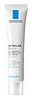
This acne moisturizer is formulated around Niacinamide and Zinc PCA to clear breakouts and refine the look of pores.
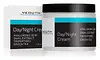
This anti-aging moisturizer is formulated around Palmitoyl Tripeptide-38 and Copper Tripeptide-1 to soften the look of wrinkles and hydrate skin.


What's inside
What's inside
 Key Ingredients
Benefits
Concerns
Ingredients Side-by-side
Water
Skin ConditioningGlycerin
Humectant


Dimethicone
Emollient
Isocetyl Stearate
Emollient




Niacinamide
Smoothing









Isopropyl Lauroyl Sarcosinate
Skin ConditioningSilica
Abrasive
Ammonium Polyacryloyldimethyl Taurate
Emulsion StabilisingMethyl Methacrylate Crosspolymer
Potassium Cetyl Phosphate
EmulsifyingSorbitan Oleate
Emulsifying
Zinc PCA
Humectant
Glyceryl Stearate Se
Emulsifying
Isohexadecane
EmollientSodium Hydroxide
BufferingMyristyl Myristate
Emollient
2-Oleamido-1,3-Octadecanediol
Skin ConditioningAluminum Starch Octenylsuccinate
Absorbent
Mannose
HumectantPoloxamer 338
EmulsifyingDisodium EDTA
Capryloyl Salicylic Acid
Exfoliating
Caprylyl Glycol
Emollient
Vitreoscilla Ferment
Skin Conditioning
Xanthan Gum
EmulsifyingPolysorbate 80
Emulsifying
Acrylamide/Sodium Acryloyldimethyltaurate Copolymer
Emulsion StabilisingSalicylic Acid
Masking



Piroctone Olamine
Preservative
Parfum
Masking

Water, Glycerin, Dimethicone, Isocetyl Stearate, Niacinamide, Isopropyl Lauroyl Sarcosinate, Silica, Ammonium Polyacryloyldimethyl Taurate, Methyl Methacrylate Crosspolymer, Potassium Cetyl Phosphate, Sorbitan Oleate, Zinc PCA, Glyceryl Stearate Se, Isohexadecane, Sodium Hydroxide, Myristyl Myristate, 2-Oleamido-1,3-Octadecanediol, Aluminum Starch Octenylsuccinate, Mannose, Poloxamer 338, Disodium EDTA, Capryloyl Salicylic Acid, Caprylyl Glycol, Vitreoscilla Ferment, Xanthan Gum, Polysorbate 80, Acrylamide/Sodium Acryloyldimethyltaurate Copolymer, Salicylic Acid, Piroctone Olamine, Parfum
Water
Skin ConditioningGlycerin
Humectant
Caprylic/Capric Triglyceride
Masking
Butylene Glycol
Humectant
Cetearyl Alcohol
Emollient
Coco-Caprylate/Caprate
Emollient
Glyceryl Stearate
Emollient
Dimethicone
Emollient
Stearic Acid
Cleansing
Cetearyl Olivate
Sorbitan Olivate
Emulsifying
Hydroxypropyl Cyclodextrin
MaskingPalmitoyl Tripeptide-38
Skin Conditioning
Sodium Hyaluronate
Humectant
Panthenol
Skin Conditioning
Glycine
Buffering
Sorbitol
Humectant
Glycine Soja Protein
EmulsifyingCopper Tripeptide-1
Skin Conditioning
Snail Secretion Filtrate
Skin Conditioning
Oryza Sativa Bran Oil
Emollient
Simmondsia Chinensis Seed Oil
Emollient
Polyacrylamide
C13-14 Isoparaffin
Emollient
Laureth-7
EmulsifyingSodium Hydroxide
BufferingCarbomer
Emulsion StabilisingCarrageenan
Avena Sativa Kernel Extract
Abrasive
Arnica Montana Flower Extract
Masking
Rubus Idaeus Fruit Extract
AstringentCamellia Sinensis Leaf Extract
Antimicrobial
Anthemis Nobilis Flower Extract
Masking
Camellia Sinensis Extract
Antioxidant
Panax Ginseng Root Extract
Emollient
Centella Asiatica Extract
Cleansing
Echinacea Purpurea Extract
MoisturisingPhenoxyethanol
Preservative
Ethylhexylglycerin
Skin ConditioningDisodium EDTA
Water, Glycerin, Caprylic/Capric Triglyceride, Butylene Glycol, Cetearyl Alcohol, Coco-Caprylate/Caprate, Glyceryl Stearate, Dimethicone, Stearic Acid, Cetearyl Olivate, Sorbitan Olivate, Hydroxypropyl Cyclodextrin, Palmitoyl Tripeptide-38, Sodium Hyaluronate, Panthenol, Glycine, Sorbitol, Glycine Soja Protein, Copper Tripeptide-1, Snail Secretion Filtrate, Oryza Sativa Bran Oil, Simmondsia Chinensis Seed Oil, Polyacrylamide, C13-14 Isoparaffin, Laureth-7, Sodium Hydroxide, Carbomer, Carrageenan, Avena Sativa Kernel Extract, Arnica Montana Flower Extract, Rubus Idaeus Fruit Extract, Camellia Sinensis Leaf Extract, Anthemis Nobilis Flower Extract, Camellia Sinensis Extract, Panax Ginseng Root Extract, Centella Asiatica Extract, Echinacea Purpurea Extract, Phenoxyethanol, Ethylhexylglycerin, Disodium EDTA
Reviews
Ingredients Explained
These ingredients are found in both products.
Ingredients higher up in an ingredient list are typically present in a larger amount.
Dimethicone is a type of synthetic silicone created from natural materials such as quartz. It is also known as polydimethylsiloxane.
What it does:
Dimethicone comes in different viscosities:
Depending on the viscosity, dimethicone has different properties.
Ingredients lists don't always show which type is used, so we recommend reaching out to the brand if you have questions about the viscosity.
This ingredient is unlikely to cause irritation because it does not get absorbed into skin. However, people with silicone allergies should be careful about using this ingredient.
Note: Dimethicone may contribute to pilling. This is because it is not oil or water soluble, so pilling may occur when layered with products. When mixed with heavy oils in a formula, the outcome is also quite greasy.
Learn more about DimethiconeDisodium EDTA is a chelating agent. It grabs onto and deactivates metal ions that sneak into your products from water, packaging, or air.
This ingredient mainly works behind the scenes and helps with:
On top of that, this ingredient can counteract the effects of hard water by binding to the minerals in it.
One thing worth knowing is that Disodium EDTA has been shown to be a mild penetration enhancer. It can help other ingredients absorb into skin more effectively which can be a double-edged sword (great for actives, but can also make the active too strong if you have sensitive skin).
Clinical patch testing showed no significant skin irritation at typical use concentrations and minimal dermal absorption.
You'll most likely see this ingredient near the end of an ingredient list. It's typically found in concentrations less than 1%.
Learn more about Disodium EDTAGlycerin (or glycerol) is a compound naturally found in your skin. It's a powerhouse humectant that pulls water into the stratum corneum.
Topically, glycerin does several things at once:
Your skin makes glycerin on its own (mostly from sebaceous oil breakdown) and shuttles it to your outermost layer of skin, or your epidermis, via aquaporin-3.
Aquaporin-3 is a transporter that is essential for normal skin hydration, elasticity, and repair. Interestingly, mice lacking in AQP3 have dry and less elastic skin that can be fully corrected with glycerin.
This ingredient is non-irritating, plays well with almost every ingredient, and works across all skin types. Typical use is anywhere between 3-10% but can go up to 79% in some leave-on products.
Just know very high concentrations (>40%) can feel tacky in low humidity.
Glycerin is the name for this ingredient in American English. British English uses Glycerol/Glycerine.
Learn more about GlycerinSodium Hydroxide is also known as lye or caustic soda. It is used to adjust the pH of products; many ingredients require a specific pH to be effective.
In small amounts, sodium hydroxide is considered safe to use. However, large amounts may cause chemical burns due to its high alkaline.
Your skin has a natural pH and acid mantle. This acid mantle helps prevent harmful bacteria from breaking through. The acid mantle also helps keep your skin hydrated.
"Alkaline" refers to a high pH level. A low pH level would be considered acidic.
Learn more about Sodium HydroxideWater. It's the most common cosmetic ingredient of all. You'll usually see it at the top of ingredient lists, meaning that it makes up the largest part of the product.
So why is it so popular? Water most often acts as a solvent - this means that it helps dissolve other ingredients into the formulation.
You'll also recognize water as that liquid we all need to stay alive. If you see this, drink a glass of water. Remember to stay hydrated!
Learn more about Water

