

What's inside
What's inside
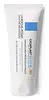 Key Ingredients
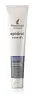
Benefits
Concerns
Ingredients Side-by-side
Water
Skin ConditioningHomosalate
Skin Conditioning

Panthenol
Skin Conditioning




Ethylhexyl Salicylate
UV Absorber
Butyl Methoxydibenzoylmethane
UV Absorber
Octocrylene
UV Absorber

Alcohol Denat.
Antimicrobial


Bis-Ethylhexyloxyphenol Methoxyphenyl Triazine
Skin Conditioning
Styrene/Acrylates Copolymer
Ethylhexyl Triazone
UV Absorber
Triethanolamine
BufferingDimethicone
Emollient
Phenylbenzimidazole Sulfonic Acid
UV Absorber
PEG-8 Laurate
Emulsifying
Sorbitan Oleate
Emulsifying
Zinc Gluconate
Skin Conditioning



Madecassoside
Antioxidant


Manganese Gluconate
Skin ConditioningIsohexadecane
EmollientSodium Acrylates Crosspolymer-2
AbsorbentSilica
Abrasive
2-Oleamido-1,3-Octadecanediol
Skin ConditioningPerlite
Absorbent
Drometrizole Trisiloxane
UV Absorber
Poloxamer 338
EmulsifyingDisodium EDTA
Copper Gluconate
Skin Conditioning
Caprylyl Glycol
Emollient
Polysorbate 80
Emulsifying
Acrylamide/Sodium Acryloyldimethyltaurate Copolymer
Emulsion StabilisingAcrylates/C10-30 Alkyl Acrylate Crosspolymer
Emulsion StabilisingBHT
Antioxidant
Tocopherol
Antioxidant


Phenoxyethanol
Preservative
Water, Homosalate, Panthenol, Ethylhexyl Salicylate, Butyl Methoxydibenzoylmethane, Octocrylene, Alcohol Denat., Bis-Ethylhexyloxyphenol Methoxyphenyl Triazine, Styrene/Acrylates Copolymer, Ethylhexyl Triazone, Triethanolamine, Dimethicone, Phenylbenzimidazole Sulfonic Acid, PEG-8 Laurate, Sorbitan Oleate, Zinc Gluconate, Madecassoside, Manganese Gluconate, Isohexadecane, Sodium Acrylates Crosspolymer-2, Silica, 2-Oleamido-1,3-Octadecanediol, Perlite, Drometrizole Trisiloxane, Poloxamer 338, Disodium EDTA, Copper Gluconate, Caprylyl Glycol, Polysorbate 80, Acrylamide/Sodium Acryloyldimethyltaurate Copolymer, Acrylates/C10-30 Alkyl Acrylate Crosspolymer, BHT, Tocopherol, Phenoxyethanol
Water
Skin ConditioningPanthenol
Skin Conditioning
Cetearyl Olivate
Propylheptyl Caprylate
EmollientGlycerin
Humectant
Polymethylsilsesquioxane
Sorbitan Olivate
Emulsifying
Sodium Acrylates Copolymer
4-T-Butylcyclohexanol
Masking
Alpha-Glucan Oligosaccharide
Cleansing
Cyclopentasiloxane
Emollient
Ethylhexyl Olivate
Skin Conditioning
Pentylene Glycol
Skin Conditioning
Caprylyl Glycol
Emollient
Citric Acid
Buffering
Ethylene Brassylate
MaskingTocopheryl Acetate
Antioxidant
Triethanolamine
BufferingLecithin
Emollient
Bisabolol
Antioxidant
Caprylhydroxamic Acid
Pentaerythrityl Tetra-Di-T-Butyl Hydroxyhydrocinnamate
Antioxidant
Butylene Glycol
Humectant
Allantoin
Skin Conditioning
Disodium EDTA
Ocimum Sanctum Leaf Extract
Skin ConditioningSilybum Marianum Fruit Extract
Skin Conditioning
Hydroxymethoxyphenyl Decanone
Skin ConditioningPhenoxyethanol
Preservative
Potassium Sorbate
Preservative
Water, Panthenol, Cetearyl Olivate, Propylheptyl Caprylate, Glycerin, Polymethylsilsesquioxane, Sorbitan Olivate, Sodium Acrylates Copolymer, 4-T-Butylcyclohexanol, Alpha-Glucan Oligosaccharide, Cyclopentasiloxane, Ethylhexyl Olivate, Pentylene Glycol, Caprylyl Glycol, Citric Acid, Ethylene Brassylate, Tocopheryl Acetate, Triethanolamine, Lecithin, Bisabolol, Caprylhydroxamic Acid, Pentaerythrityl Tetra-Di-T-Butyl Hydroxyhydrocinnamate, Butylene Glycol, Allantoin, Disodium EDTA, Ocimum Sanctum Leaf Extract, Silybum Marianum Fruit Extract, Hydroxymethoxyphenyl Decanone, Phenoxyethanol, Potassium Sorbate
Reviews
Ingredients Explained
These ingredients are found in both products.
Ingredients higher up in an ingredient list are typically present in a larger amount.
Caprylyl Glycol is a humectant, skin conditioner, emollient, and preservative booster derived from either caprylic acid or synthetically created.
Typical use levels vary from 0.3-1% as a preservative booster and go up to 2% to condition skin.
Because it is not a free-fatty acid, this ingredient is fungal acne safe (there's nothing for Malassezia to feed on).
Learn more about Caprylyl GlycolDisodium EDTA is a chelating agent. It grabs onto and deactivates metal ions that sneak into your products from water, packaging, or air.
This ingredient mainly works behind the scenes and helps with:
On top of that, this ingredient can counteract the effects of hard water by binding to the minerals in it.
One thing worth knowing is that Disodium EDTA has been shown to be a mild penetration enhancer. It can help other ingredients absorb into skin more effectively which can be a double-edged sword (great for actives, but can also make the active too strong if you have sensitive skin).
Clinical patch testing showed no significant skin irritation at typical use concentrations and minimal dermal absorption.
You'll most likely see this ingredient near the end of an ingredient list. It's typically found in concentrations less than 1%.
Learn more about Disodium EDTAPanthenol is a common ingredient that helps hydrate and soothe the skin. It is found naturally in our skin and hair.
There are two forms of panthenol: D and L.
D-panthenol is also known as dexpanthenol. Most cosmetics use dexpanthenol or a mixture of D and L-panthenol.
Panthenol is famous due to its ability to go deeper into the skin's layers. Using this ingredient has numerous pros (and no cons):
Like hyaluronic acid, panthenol is a humectant. Humectants are able to bind and hold large amounts of water to keep skin hydrated.
This ingredient works well for wound healing. It works by increasing tissue in the wound and helps close open wounds.
Once oxidized, panthenol converts to pantothenic acid. Panthothenic acid is found in all living cells.
This ingredient is also referred to as pro-vitamin B5.
Learn more about PanthenolPhenoxyethanol is a preservative that has germicide, antimicrobial, and aromatic properties. Studies show that phenoxyethanol can prevent microbial growth. By itself, it has a scent that is similar to that of a rose.
It's often used in formulations along with Caprylyl Glycol to preserve the shelf life of products.
Triethanolamine (TEA) is an emulsifier and pH adjuster. It is created using ethylene oxide and ammonia. This gives Triethanolamine a nitrogen core and a similar scent to ammonia.
As an emulsifier, it prevents ingredients from separating and enhances texture by adding volume to a product.
PH adjusters are common in cosmetic products. The pH of a product can affect the effectiveness of other ingredients. A product with a high pH may also irritate the skin.
If you are looking for the tea leaf ingredient, click here.
Learn more about TriethanolamineWater. It's the most common cosmetic ingredient of all. You'll usually see it at the top of ingredient lists, meaning that it makes up the largest part of the product.
So why is it so popular? Water most often acts as a solvent - this means that it helps dissolve other ingredients into the formulation.
You'll also recognize water as that liquid we all need to stay alive. If you see this, drink a glass of water. Remember to stay hydrated!
Learn more about Water
