La Roche-Posay Anthelios Mineral SPF 30 Face Moisturizer with Hyaluronic Acid Versus La Roche-Posay Toleriane Dermallergo Ultra Soothing Repair Moisturizer
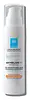
This barrier-repair day moisturizer is formulated around Panthenol and Sodium Hyaluronate to strengthen the skin barrier and hydrate skin.
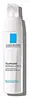
This barrier-repair moisturizer is formulated around Squalane and Butyrospermum Parkii Butter to strengthen the skin barrier and calm redness.

What's inside
What's inside
 Key Ingredients
Benefits
Concerns
Ingredients Side-by-side
Titanium Dioxide 5.5%
Cosmetic Colorant

Zinc Oxide 10%
Cosmetic Colorant
Water
Skin ConditioningGlycerin
Humectant


Isohexadecane
EmollientIsononyl Isononanoate
EmollientDicaprylyl Ether
Emollient
PEG-30 Dipolyhydroxystearate
Emulsifying

C12-15 Alkyl Benzoate
AntimicrobialPolyglyceryl-4 Isostearate
Emulsifying
Dimethicone
Emollient
Caprylyl Methicone
Skin Conditioning
Ethylene/Acrylic Acid Copolymer
Emulsion StabilisingCaprylic/Capric Triglyceride
Masking
Triethylhexanoin
MaskingSilica
Abrasive

Poly C10-30 Alkyl Acrylate
Emulsion StabilisingCitric Acid
Buffering

Phenoxyethanol
Preservative
Sodium Chloride
MaskingCaprylyl Glycol
Emollient
Panthenol
Skin Conditioning

Diethylhexyl Syringylidenemalonate
Skin Protecting
Aluminum Hydroxide
EmollientStearic Acid
Cleansing
Aluminum Stearate
Cosmetic ColorantSodium Hyaluronate
Humectant

Triethoxycaprylylsilane
Chlorphenesin
Antimicrobial
Disteardimonium Hectorite
StabilisingAlumina
Abrasive
Polyhydroxystearic Acid
Emulsifying
Trisodium Ethylenediamine Disuccinate
ChelatingTocopherol
Antioxidant


P-Anisic Acid
MaskingCapryloyl Salicylic Acid
Exfoliating
Xanthan Gum
EmulsifyingPropylene Carbonate
SolventCassia Alata Leaf Extract
AstringentMaltodextrin
Absorbent
Titanium Dioxide 5.5%, Zinc Oxide 10%, Water, Glycerin, Isohexadecane, Isononyl Isononanoate, Dicaprylyl Ether, PEG-30 Dipolyhydroxystearate, C12-15 Alkyl Benzoate, Polyglyceryl-4 Isostearate, Dimethicone, Caprylyl Methicone, Ethylene/Acrylic Acid Copolymer, Caprylic/Capric Triglyceride, Triethylhexanoin, Silica, Poly C10-30 Alkyl Acrylate, Citric Acid, Phenoxyethanol, Sodium Chloride, Caprylyl Glycol, Panthenol, Diethylhexyl Syringylidenemalonate, Aluminum Hydroxide, Stearic Acid, Aluminum Stearate, Sodium Hyaluronate, Triethoxycaprylylsilane, Chlorphenesin, Disteardimonium Hectorite, Alumina, Polyhydroxystearic Acid, Trisodium Ethylenediamine Disuccinate, Tocopherol, P-Anisic Acid, Capryloyl Salicylic Acid, Xanthan Gum, Propylene Carbonate, Cassia Alata Leaf Extract, Maltodextrin
Water
Skin ConditioningIsocetyl Stearate
Emollient

Squalane
Emollient
Butyrospermum Parkii Butter
Skin Conditioning
Dimethicone
Emollient
Glycerin
Humectant
Zea Mays Starch
Absorbent
Pentylene Glycol
Skin Conditioning
Butylene Glycol
Humectant
Glyceryl Stearate
Emollient
PEG-100 Stearate
Surfactant
Cetyl Alcohol
Emollient
Salvia Miltiorrhiza Root Extract
Skin ConditioningDimethiconol
Emollient
Sodium Hydroxide
BufferingSphingomonas Ferment Extract
Skin Conditioning
Caprylyl Glycol
Emollient
Citric Acid
Buffering
Acetyl Dipeptide-1 Cetyl Ester
Skin Conditioning
Acrylates/C10-30 Alkyl Acrylate Crosspolymer
Emulsion StabilisingWater, Isocetyl Stearate, Squalane, Butyrospermum Parkii Butter, Dimethicone, Glycerin, Zea Mays Starch, Pentylene Glycol, Butylene Glycol, Glyceryl Stearate, PEG-100 Stearate, Cetyl Alcohol, Salvia Miltiorrhiza Root Extract, Dimethiconol, Sodium Hydroxide, Sphingomonas Ferment Extract, Caprylyl Glycol, Citric Acid, Acetyl Dipeptide-1 Cetyl Ester, Acrylates/C10-30 Alkyl Acrylate Crosspolymer
Reviews
Ingredients Explained
These ingredients are found in both products.
Ingredients higher up in an ingredient list are typically present in a larger amount.
Caprylyl Glycol is a humectant, skin conditioner, emollient, and preservative booster derived from either caprylic acid or synthetically created.
Typical use levels vary from 0.3-1% as a preservative booster and go up to 2% to condition skin.
Because it is not a free-fatty acid, this ingredient is fungal acne safe (there's nothing for Malassezia to feed on).
Learn more about Caprylyl GlycolCitric Acid is an alpha hydroxy acid (AHA) naturally found in citrus fruits like oranges, lemons, and limes.
Like other AHAs, citric acid can exfoliate skin by breaking down the bonds that hold dead skin cells together. This helps reveal smoother and brighter skin underneath.
However, this exfoliating effect only happens at high concentrations (20%) which can be hard to find in cosmetic products.
Due to this, citric acid is usually included in small amounts as a pH adjuster. This helps keep products slightly more acidic and compatible with skin's natural pH.
In skincare formulas, citric acid can:
While it can provide some skin benefits, research shows lactic acid and glycolic acid are generally more effective and less irritating exfoliants.
Most citric acid used in skincare today is made by fermenting sugars (usually from molasses). This synthetic version is identical to the natural citrus form but easier to stabilize and use in formulations.
Rosacea skin has a lower threshold for acids generally, with 62.5% of rosacea subjects in one study reacting to lactic acid in a sting test. This is why we mark citric acid as a potential rosacea trigger.
However, this ingredient shows up as a pH adjuster or chelator at roughly 0.1-1% in many products. These low levels are unlikely to be an issue for rosacea skin and becomes a potential trigger at exfoliating concentrations (20%). Because everybody's skin is unique, we recommend a patch test if you are unsure.
Learn more about Citric AcidDimethicone is a type of synthetic silicone created from natural materials such as quartz. It is also known as polydimethylsiloxane.
What it does:
Dimethicone comes in different viscosities:
Depending on the viscosity, dimethicone has different properties.
Ingredients lists don't always show which type is used, so we recommend reaching out to the brand if you have questions about the viscosity.
This ingredient is unlikely to cause irritation because it does not get absorbed into skin. However, people with silicone allergies should be careful about using this ingredient.
Note: Dimethicone may contribute to pilling. This is because it is not oil or water soluble, so pilling may occur when layered with products. When mixed with heavy oils in a formula, the outcome is also quite greasy.
Learn more about DimethiconeGlycerin (or glycerol) is a compound naturally found in your skin. It's a powerhouse humectant that pulls water into the stratum corneum.
Topically, glycerin does several things at once:
Your skin makes glycerin on its own (mostly from sebaceous oil breakdown) and shuttles it to your outermost layer of skin, or your epidermis, via aquaporin-3.
Aquaporin-3 is a transporter that is essential for normal skin hydration, elasticity, and repair. Interestingly, mice lacking in AQP3 have dry and less elastic skin that can be fully corrected with glycerin.
This ingredient is non-irritating, plays well with almost every ingredient, and works across all skin types. Typical use is anywhere between 3-10% but can go up to 79% in some leave-on products.
Just know very high concentrations (>40%) can feel tacky in low humidity.
Glycerin is the name for this ingredient in American English. British English uses Glycerol/Glycerine.
Learn more about GlycerinWater. It's the most common cosmetic ingredient of all. You'll usually see it at the top of ingredient lists, meaning that it makes up the largest part of the product.
So why is it so popular? Water most often acts as a solvent - this means that it helps dissolve other ingredients into the formulation.
You'll also recognize water as that liquid we all need to stay alive. If you see this, drink a glass of water. Remember to stay hydrated!
Learn more about Water

