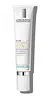
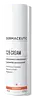
La Roche-Posay Active Vitamin C 10% Wrinkle Cream Versus Dermaceutic Laboratoire C25 Cream Antioxidant Concentrate
This anti-aging day moisturizer is formulated around Ascorbic Acid to soften the look of wrinkles and brighten dull-looking skin.
This brightening treatment is formulated around Ascorbyl Methylsilanol Pectinate and Retinyl Palmitate to brighten dull-looking skin and soften the look of wrinkles.

What's inside
What's inside
 Key Ingredients
Benefits
Concerns
Ingredients Side-by-side
Water
Skin ConditioningAscorbic Acid
Antioxidant






Dimethicone
Emollient
C12-15 Alkyl Benzoate
AntimicrobialGlycerin
Humectant

Ethylhexyl Palmitate
Emollient




Potassium Hydroxide
BufferingCetyl Alcohol
Emollient

PEG-100 Stearate
Surfactant
Glyceryl Stearate
Emollient
Sodium Styrene/Ma Copolymer
Emulsion StabilisingStearyl Alcohol
Emollient
Isobutane
Dimethicone/Vinyl Dimethicone Crosspolymer
Skin Conditioning
Dimethiconol
Emollient
Sodium Hyaluronate
Humectant

Myristyl Alcohol
Emollient
Ammonium Polyacryloyldimethyl Taurate
Emulsion StabilisingDisodium EDTA
ChelatingCaprylyl Glycol
Emollient
Biosaccharide Gum-1
Humectant
Xanthan Gum
EmulsifyingT-Butyl Alcohol
Perfuming



Acrylonitrile/Methyl Methacrylate/Vinylidene Chloride Copolymer
Tocopheryl Acetate
Antioxidant
Phenoxyethanol
Preservative
Parfum
Masking
Water, Ascorbic Acid, Dimethicone, C12-15 Alkyl Benzoate, Glycerin, Ethylhexyl Palmitate, Potassium Hydroxide, Cetyl Alcohol, PEG-100 Stearate, Glyceryl Stearate, Sodium Styrene/Ma Copolymer, Stearyl Alcohol, Isobutane, Dimethicone/Vinyl Dimethicone Crosspolymer, Dimethiconol, Sodium Hyaluronate, Myristyl Alcohol, Ammonium Polyacryloyldimethyl Taurate, Disodium EDTA, Caprylyl Glycol, Biosaccharide Gum-1, Xanthan Gum, T-Butyl Alcohol, Acrylonitrile/Methyl Methacrylate/Vinylidene Chloride Copolymer, Tocopheryl Acetate, Phenoxyethanol, Parfum
Maris Aqua
HumectantAscorbyl Methylsilanol Pectinate
Antioxidant
Ethylhexyl Cocoate
Emollient
Glycerin
Humectant
Methylpropanediol
SolventC15-19 Alkane
SolventCaprylic/Capric Triglyceride
Masking
Panthenol
Skin Conditioning
Pentylene Glycol
Skin Conditioning
Sodium Acrylate/Sodium Acryloyldimethyl Taurate Copolymer
Emulsion StabilisingGlyceryl Stearate
Emollient
PEG-100 Stearate
Surfactant
Tocopheryl Acetate
Antioxidant
Retinyl Palmitate
Skin Conditioning
Lactic Acid
Buffering


Tocopherol
Antioxidant
Morus Alba Root Extract
BleachingVitis Vinifera Seed Extract
Antimicrobial
Isohexadecane
EmollientButylene Glycol
Humectant
Polysorbate 80
Emulsifying
Sclerotium Gum
Emulsion StabilisingCitronellyl Methylcrotonate
Masking
Alcohol
Antimicrobial
Sorbitan Oleate
Emulsifying
Citric Acid
Buffering
PEG-40 Hydrogenated Castor Oil
Emulsifying
Tetrasodium Glutamate Diacetate
ChelatingChlorphenesin
Antimicrobial
O-Cymen-5-Ol
Antimicrobial
Parfum
Masking
Maris Aqua, Ascorbyl Methylsilanol Pectinate, Ethylhexyl Cocoate, Glycerin, Methylpropanediol, C15-19 Alkane, Caprylic/Capric Triglyceride, Panthenol, Pentylene Glycol, Sodium Acrylate/Sodium Acryloyldimethyl Taurate Copolymer, Glyceryl Stearate, PEG-100 Stearate, Tocopheryl Acetate, Retinyl Palmitate, Lactic Acid, Tocopherol, Morus Alba Root Extract, Vitis Vinifera Seed Extract, Isohexadecane, Butylene Glycol, Polysorbate 80, Sclerotium Gum, Citronellyl Methylcrotonate, Alcohol, Sorbitan Oleate, Citric Acid, PEG-40 Hydrogenated Castor Oil, Tetrasodium Glutamate Diacetate, Chlorphenesin, O-Cymen-5-Ol, Parfum
Reviews
Ingredients Explained
These ingredients are found in both products.
Ingredients higher up in an ingredient list are typically present in a larger amount.
Glycerin (or glycerol) is a compound naturally found in your skin. It's a powerhouse humectant that pulls water into the stratum corneum.
Topically, glycerin does several things at once:
Your skin makes glycerin on its own (mostly from sebaceous oil breakdown) and shuttles it to your outermost layer of skin, or your epidermis, via aquaporin-3.
Aquaporin-3 is a transporter that is essential for normal skin hydration, elasticity, and repair. Interestingly, mice lacking in AQP3 have dry and less elastic skin that can be fully corrected with glycerin.
This ingredient is non-irritating, plays well with almost every ingredient, and works across all skin types. Typical use is anywhere between 3-10% but can go up to 79% in some leave-on products.
Just know very high concentrations (>40%) can feel tacky in low humidity.
Glycerin is the name for this ingredient in American English. British English uses Glycerol/Glycerine.
Learn more about GlycerinGlyceryl Stearate is made by reacting glycerin with stearic acid (typically sourced from plant oils like palm or coconut). It's an emulsifier, emollient, and mild occlusive.
Emulsifiers help ingredients like oil and water stay mixed so your formula stays nicely blended and uniform in texture.
This ingredient is typically used in concentrations between 1-10%. Studies have found it to be non-sensitizing, non-phototoxic, and non-photoallergenic.
A close cousin of this ingredient is Glyceryl Stearate SE ("self-emulsifying"). This just has a small amount of sodium or potassium stearate added so it can emulsify without a co-emulsifier.
Since this ingredient is an ester of a C18 fatty acid, it may not be fungal acne safe. The Malassezia yeast can potentially metabolize within the C11-C24 range.
Fun fact: The human body also creates Glyceryl Stearate naturally.
Learn more about Glyceryl StearateParfum is a catch-all term for an ingredient or more that is used to give a scent to products.
Also called "fragrance", this ingredient can be a blend of hundreds of chemicals or plant oils. This means every product with "fragrance" or "parfum" in the ingredients list is a different mixture.
For instance, Habanolide is a proprietary trade name for a specific aroma chemical. When used as a fragrance ingredient in cosmetics, most aroma chemicals fall under the broad labeling category of “FRAGRANCE” or “PARFUM” according to EU and US regulations.
The term 'parfum' or 'fragrance' is not regulated in many countries. In many cases, it is up to the brand to define this term.
For instance, many brands choose to label themselves as "fragrance-free" because they are not using synthetic fragrances. However, their products may still contain ingredients such as essential oils that are considered a fragrance by INCI standards.
One example is Calendula flower extract. Calendula is an essential oil that still imparts a scent or 'fragrance'.
Depending on the blend, the ingredients in the mixture can cause allergies and sensitivities on the skin. Some ingredients that are known EU allergens include linalool and citronellol.
Parfum can also be used to mask or cover an unpleasant scent.
The bottom line is: not all fragrances/parfum/ingredients are created equally. If you are worried about fragrances, we recommend taking a closer look at an ingredient. And of course, we always recommend speaking with a professional.
Learn more about ParfumPeg-100 Stearate is an emollient and emulsifier. As an emollient, it helps keep skin soft by trapping moisture in. On the other hand, emulsifiers help prevent oil and water from separating in a product.
PEGS are a hydrophilic polyether compound . There are 100 ethylene oxide monomers in Peg-100 Stearate. Peg-100 Stearate is polyethylene glycol ester of stearic acid.
Tocopheryl Acetate is a stable, shelf-friendly form of vitamin E.
Formulators love it because plain vitamin E oxidizes quickly once it hits air. This acetate version stays stable and resists going off, helping to extend a product's shelf life.
It's actually inactive on its own and works like a slow-release "storage" form; the enzymes in your skin called esterases gradually convert it into active vitamin E over time.
One in vivo study showed 5% of the acetate in the living layer of the epidermis converted to vitamin E after 5 days of application. This study also found the skin gained protection against UV damage even though the conversion was slow and small.
Once converted, vitamin E acts as a skin's main fat-soluble antioxidant that fights free radicals to protect skin from damage.
Topical vitamin E generally boosts the skin's photoprotection, and it reduced UV-damage in animal models.
This ingredient has some brightening potential but it's more of a prevention ingredient than spot-fader. Cell studies show it can slow down melanin production but it's worth noting that it's not the most powerful brightener out there.
Overall, it has a pretty solid safety profile and has been found to be non-irritating and non-comedogenic. Allergic reactions may happen but stay rare due to how widely the ingredient gets used.
The concentration will vary depending on the formula; industry data shows 0.1% in baby lotions, 3% in lipsticks, and 5% in foot powders. You can also find this ingredient at 100% in a pure vitamin E oil.
Most leave-on skincare keeps it at the lower end, often between 0.5-1%.
Learn more about Tocopheryl Acetate

