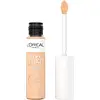
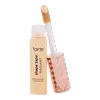
L'Oreal True Match Radiant Serum Concealer Versus Tarte Shape Tape Radiant Medium Coverage Concealer


What's inside
What's inside
 Key Ingredients
Benefits
Concerns
Ingredients Side-by-side
Water
Skin ConditioningIsododecane
EmollientDimethicone
Emollient
Alcohol Denat.
Antimicrobial





Butylene Glycol
Humectant
Glycerin
Humectant


Trimethylsiloxysilicate
Emollient
Diphenylsiloxy Phenyl Trimethicone
Skin Conditioning
Synthetic Fluorphlogopite
PEG-10 Dimethicone
Skin Conditioning
Niacinamide
Smoothing







Sodium Hyaluronate
Humectant
Silica
Abrasive
Disteardimonium Hectorite
StabilisingIsopropyl Lauroyl Sarcosinate
Skin ConditioningDiisopropyl Sebacate
EmollientMagnesium Sulfate
Dimethicone/Vinyl Dimethicone Crosspolymer
Skin Conditioning
Bis-PEG/PPG-14/14 Dimethicone
Emollient
Disodium Stearoyl Glutamate
CleansingPhenoxyethanol
Preservative
Propylene Carbonate
SolventCaffeine
Skin Conditioning
Dipentaerythrityl Tetrahydroxystearate/Tetraisostearate
Skin Conditioning
Silica Silylate
EmollientTocopherol
Antioxidant

Aluminum Hydroxide
EmollientTin Oxide
Abrasive
CI 77891
Cosmetic ColorantCI 77491
Cosmetic ColorantCI 77492
Cosmetic ColorantCI 77499
Cosmetic ColorantMica
Cosmetic Colorant
CI 77163
Cosmetic ColorantWater, Isododecane, Dimethicone, Alcohol Denat., Butylene Glycol, Glycerin, Trimethylsiloxysilicate, Diphenylsiloxy Phenyl Trimethicone, Synthetic Fluorphlogopite, PEG-10 Dimethicone, Niacinamide, Sodium Hyaluronate, Silica, Disteardimonium Hectorite, Isopropyl Lauroyl Sarcosinate, Diisopropyl Sebacate, Magnesium Sulfate, Dimethicone/Vinyl Dimethicone Crosspolymer, Bis-PEG/PPG-14/14 Dimethicone, Disodium Stearoyl Glutamate, Phenoxyethanol, Propylene Carbonate, Caffeine, Dipentaerythrityl Tetrahydroxystearate/Tetraisostearate, Silica Silylate, Tocopherol, Aluminum Hydroxide, Tin Oxide, CI 77891, CI 77491, CI 77492, CI 77499, Mica, CI 77163
Water
Skin ConditioningButylene Glycol
Humectant
Butylene Glycol Dicaprylate/Dicaprate
EmollientDipropylene Glycol
HumectantHydrogenated Polydecene
EmollientPhenyl Trimethicone
Skin Conditioning
Polyglyceryl-4 Diisostearate/Polyhydroxystearate/Sebacate
Emulsifying
Glycerin
Humectant
Dibutyl Adipate
EmollientDiisostearyl Malate
EmollientHydrogenated Castor Oil Isostearate
Skin Conditioning
Squalane
Emollient
Tridecyl Trimellitate
EmollientDimethicone
Emollient
Mica
Cosmetic Colorant
Caprylic/Capric Triglyceride
Masking
Magnesium Sulfate
Polyglyceryl-3 Oleate
Emulsifying
Diamond Powder
Abrasive
Hippophae Rhamnoides Fruit Oil
Skin Protecting
Hippophae Rhamnoides Seed Oil
Skin Protecting
Niacinamide
Smoothing
Camellia Sinensis Leaf Extract
Antimicrobial
Hydrolyzed Collagen
Emollient
Centella Asiatica Extract
Cleansing
Glycyrrhiza Glabra Root Extract
Bleaching
Opuntia Vulgaris Extract
Skin ConditioningPanax Ginseng Root Extract
Emollient
Sodium Hyaluronate
Humectant
Synthetic Fluorphlogopite
Disteardimonium Hectorite
StabilisingDiisostearoyl Polyglyceryl-3 Dimer Dilinoleate
Emollient
Ethylene/Propylene Copolymer
Abrasive
Vinyl Dimethicone/Methicone Silsesquioxane Crosspolymer
Dimethicone/Vinyl Dimethicone Crosspolymer
Skin Conditioning
Synthetic Beeswax
Emulsion Stabilising
Triethoxycaprylylsilane
Aluminum Hydroxide
EmollientSodium Benzoate
Masking
Potassium Sorbate
Preservative
Trisodium Ethylenediamine Disuccinate
Ethylhexylglycerin
Skin ConditioningTin Oxide
Abrasive
Glycine Soja Oil
Emollient
1,2-Hexanediol
Skin Conditioning
Polymethylsilsesquioxane
Benzyl Salicylate
Perfuming

Hexyl Cinnamal
Perfuming
Limonene
Perfuming
Hydroxycitronellal
Perfuming
Geraniol
Perfuming
Amyl Cinnamal
Perfuming
Linalool
Perfuming
Tocopherol
Antioxidant
Phenoxyethanol
Preservative
Parfum
Masking
CI 77891
Cosmetic ColorantIron Oxides
Water, Butylene Glycol, Butylene Glycol Dicaprylate/Dicaprate, Dipropylene Glycol, Hydrogenated Polydecene, Phenyl Trimethicone, Polyglyceryl-4 Diisostearate/Polyhydroxystearate/Sebacate, Glycerin, Dibutyl Adipate, Diisostearyl Malate, Hydrogenated Castor Oil Isostearate, Squalane, Tridecyl Trimellitate, Dimethicone, Mica, Caprylic/Capric Triglyceride, Magnesium Sulfate, Polyglyceryl-3 Oleate, Diamond Powder, Hippophae Rhamnoides Fruit Oil, Hippophae Rhamnoides Seed Oil, Niacinamide, Camellia Sinensis Leaf Extract, Hydrolyzed Collagen, Centella Asiatica Extract, Glycyrrhiza Glabra Root Extract, Opuntia Vulgaris Extract, Panax Ginseng Root Extract, Sodium Hyaluronate, Synthetic Fluorphlogopite, Disteardimonium Hectorite, Diisostearoyl Polyglyceryl-3 Dimer Dilinoleate, Ethylene/Propylene Copolymer, Vinyl Dimethicone/Methicone Silsesquioxane Crosspolymer, Dimethicone/Vinyl Dimethicone Crosspolymer, Synthetic Beeswax, Triethoxycaprylylsilane, Aluminum Hydroxide, Sodium Benzoate, Potassium Sorbate, Trisodium Ethylenediamine Disuccinate, Ethylhexylglycerin, Tin Oxide, Glycine Soja Oil, 1,2-Hexanediol, Polymethylsilsesquioxane, Benzyl Salicylate, Hexyl Cinnamal, Limonene, Hydroxycitronellal, Geraniol, Amyl Cinnamal, Linalool, Tocopherol, Phenoxyethanol, Parfum, CI 77891, Iron Oxides
Ingredients Explained
These ingredients are found in both products.
Ingredients higher up in an ingredient list are typically present in a larger amount.
Aluminum Hydroxide is a form of aluminum. It can be naturally found in nature as the mineral gibbsite. In cosmetics, Aluminum Hydroxide is used as a colorant, pH adjuster, and absorbent.
As a colorant, Aluminum Hydroxide may add opacity, or reduce the transparency. Aluminum hydroxide is contains both basic and acidic properties.
According to manufacturers, this ingredient is an emollient and humectant. This means it helps hydrate the skin.
In medicine, this ingredient is used to help relieve heartburn and help heal ulcers.
There is currently no credible scientific evidence linking aluminum hydroxide in cosmetics to increased cancer risk.
Major health organizations allow the use of aluminum hydroxide in personal care products and have not flagged it as a carcinogenic risk at typical usage levels.
Learn more about Aluminum HydroxideButylene Glycol (or BG) is used within cosmetic products for a few different reasons:
Overall, Butylene Glycol is a safe and well-rounded ingredient that works well with other ingredients.
Though this ingredient works well with most skin types, some people with sensitive skin may experience a reaction such as allergic rashes, closed comedones, or itchiness.
Learn more about Butylene GlycolCi 77891 is a white pigment from Titanium dioxide. It is naturally found in minerals such as rutile and ilmenite.
It's main function is to add a white color to cosmetics. It can also be mixed with other colors to create different shades.
Ci 77891 is commonly found in sunscreens due to its ability to block UV rays.
Learn more about CI 77891Dimethicone is a type of synthetic silicone created from natural materials such as quartz.
What it does:
Dimethicone comes in different viscosities:
Depending on the viscosity, dimethicone has different properties.
Ingredients lists don't always show which type is used, so we recommend reaching out to the brand if you have questions about the viscosity.
This ingredient is unlikely to cause irritation because it does not get absorbed into skin. However, people with silicone allergies should be careful about using this ingredient.
Note: Dimethicone may contribute to pilling. This is because it is not oil or water soluble, so pilling may occur when layered with products. When mixed with heavy oils in a formula, the outcome is also quite greasy.
Learn more about DimethiconeThis ingredient is a silicone used to improve the texture of products and absorb oil. It does not get absorbed into the skin.
Like other silicones, Dimethicone/Vinyl Dimethicone Crosspolymer helps condition the skin by creating a barrier. In this sense, it can act as an emollient and trap moisture in.
This ingredient is a type of elastomer.
Learn more about Dimethicone/Vinyl Dimethicone CrosspolymerDisteardimonium Hectorite comes from the clay mineral named hectorite. It is used to add thickness to a product.
It can also help stabilize a product by helping to disperse other ingredients.
Hectorite is a rare, white clay mineral.
Learn more about Disteardimonium HectoriteGlycerin is already naturally found in your skin. It helps moisturize and protect your skin.
A study from 2016 found glycerin to be more effective as a humectant than AHAs and hyaluronic acid.
As a humectant, it helps the skin stay hydrated by pulling moisture to your skin. The low molecular weight of glycerin allows it to pull moisture into the deeper layers of your skin.
Hydrated skin improves your skin barrier; Your skin barrier helps protect against irritants and bacteria.
Glycerin has also been found to have antimicrobial and antiviral properties. Due to these properties, glycerin is often used in wound and burn treatments.
In cosmetics, glycerin is usually derived from plants such as soybean or palm. However, it can also be sourced from animals, such as tallow or animal fat.
This ingredient is organic, colorless, odorless, and non-toxic.
Glycerin is the name for this ingredient in American English. British English uses Glycerol/Glycerine.
Learn more about GlycerinMagnesium Sulfate is a salt. More specifically, it is an epsom salt, or the bath salt used to help relieve muscle aches.
Despite having ‘sulfate’ in the name, it isn’t a surfactant or cleansing agent like sodium lauryl sulfate. Unlike those sulfates, magnesium sulfate doesn’t have the same cleansing or foaming properties (it's simply a type of salt).
In cosmetics, Magnesium Sulfate is used to thicken a product or help dilute other solids. It is a non-reactive and non-irritating ingredient.
One study shows magnesium deficiency may lead to inflammation of the skin. Applying magnesium topically may help reduce inflammation.
You can find this ingredient in sea water or mineral deposits.
Learn more about Magnesium SulfateMica is a naturally occurring mineral used to add shimmer and color in cosmetics. It can also help improve the texture of a product or give it an opaque, white/silver color.
Serecite is the name for very fine but ragged grains of mica.
This ingredient is often coated with metal oxides like titanium dioxide. Trace amounts of heavy metals may be found in mica, but these metals are not harmful in our personal products.
Mica has been used since prehistoric times throughout the world. Ancient Egyptian, Indian, Greek, Roman, Aztec, and Chinese civilizations have used mica.
Learn more about MicaNiacinamide is a multitasking form of vitamin B3 that strengthens the skin barrier, reduces pores and dark spots, regulates oil, and improves signs of aging.
And the best part? It's gentle and well-tolerated by most skin types, including sensitive and reactive skin.
You might have heard of "niacin flush", or the reddening of skin that causes itchiness. Niacinamide has not been found to cause this.
In very rare cases, some individuals may not be able to tolerate niacinamide at all or experience an allergic reaction to it.
If you are experiencing flaking, irritation, and dryness with this ingredient, be sure to double check all your products as this ingredient can be found in all categories of skincare.
When incorporating niacinamide into your routine, look out for concentration amounts. Typically, 5% niacinamide provides benefits such as fading dark spots. However, if you have sensitive skin, it is better to begin with a smaller concentration.
When you apply niacinamide to your skin, your body converts it into nicotinamide adenine dinucleotide (NAD). NAD is an essential coenzyme that is already found in your cells as "fuel" and powers countless biological processes.
In your skin, NAD helps repair cell damage, produce new healthy cells, support collagen production, strengthen the skin barrier, and fight environmental stressors (like UV and pollution).
Our natural NAD levels start to decline with age, leading to slower skin repair, visible aging, and a weaker skin barrier. By providing your skin niacinamide, you're recharging your skin's NAD levels. This leads to stronger, healthier, and younger looking skin.
Another name for vitamin B3 is nicotinamide. This vitamin is water-soluble and our bodies don't store it. We obtain Vitamin B3 from either food or skincare. Meat, fish, wheat, yeast, and leafy greens contain vitamin B3.
The type of niacinamide used in skincare is synthetically created.
Learn more about NiacinamidePhenoxyethanol is a preservative that has germicide, antimicrobial, and aromatic properties. Studies show that phenoxyethanol can prevent microbial growth. By itself, it has a scent that is similar to that of a rose.
It's often used in formulations along with Caprylyl Glycol to preserve the shelf life of products.
Sodium Hyaluronate is hyaluronic acid's salt form. It is commonly derived from the sodium salt of hyaluronic acid.
Like hyaluronic acid, it is great at holding water and acts as a humectant. This makes it a great skin hydrating ingredient.
Sodium Hyaluronate is naturally occurring in our bodies and is mostly found in eye fluid and joints.
These are some other common types of Hyaluronic Acid:
Learn more about Sodium HyaluronateSynthetic Fluorphlogopite is the synthethic version of mica. It consists of fluorine, aluminum and silicate.
Synthetic Fluorphlogopite is used to add volume to products.
It is considered non-irritating on the skin.
Learn more about Synthetic FluorphlogopiteTin Oxide is an inorganic oxide used to add opacity and volume to a product. In nature, it is already found in mineral form. The main ore of tin is an opaque and shiny mineral called casseterite.
Tin Oxide helps remove translucency in a product, or make it more opaque. Besides adding opacity, tin oxide is used for bulking to add volume.
Tocopherol (also known as Vitamin E) is a common antioxidant used to help protect the skin from free-radicals and strengthen the skin barrier. It's also fat soluble - this means our skin is great at absorbing it.
Vitamin E also helps keep your natural skin lipids healthy. Your lipid skin barrier naturally consists of lipids, ceramides, and fatty acids. Vitamin E offers extra protection for your skin’s lipid barrier, keeping your skin healthy and nourished.
Another benefit is a bit of UV protection. Vitamin E helps reduce the damage caused by UVB rays. (It should not replace your sunscreen). Combining it with Vitamin C can decrease sunburned cells and hyperpigmentation after UV exposure.
You might have noticed Vitamin E + C often paired together. This is because it is great at stabilizing Vitamin C. Using the two together helps increase the effectiveness of both ingredients.
There are often claims that Vitamin E can reduce/prevent scarring, but these claims haven't been confirmed by scientific research.
Learn more about TocopherolWater. It's the most common cosmetic ingredient of all. You'll usually see it at the top of ingredient lists, meaning that it makes up the largest part of the product.
So why is it so popular? Water most often acts as a solvent - this means that it helps dissolve other ingredients into the formulation.
You'll also recognize water as that liquid we all need to stay alive. If you see this, drink a glass of water. Stay hydrated!
Learn more about Water
